2026 Top Trends in Boardroom Furniture for Modern Workspaces?
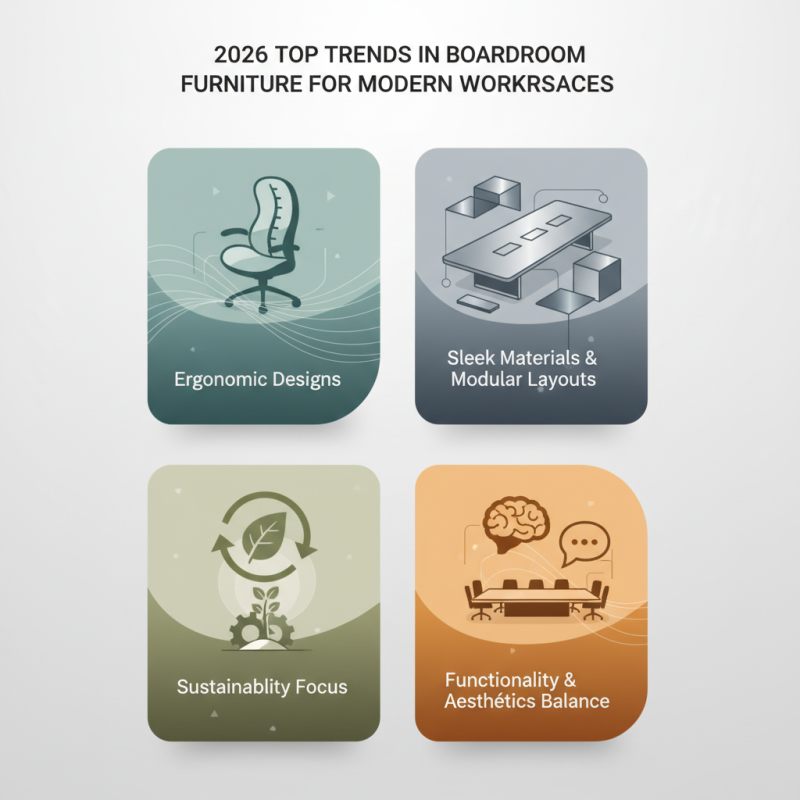
In 2026, boardroom furniture trends are evolving. Companies now prioritize functionality and aesthetics. The workspace atmosphere plays a crucial role in productivity.
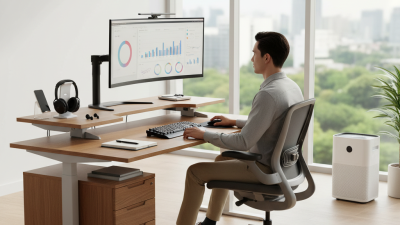
Furniture must reflect a modern ethos. Ergonomic designs are essential for comfort. Sleek materials and modular layouts are becoming popular. A focus on sustainability will define choices.
However, selecting the right pieces can be challenging. Balancing style and practicality doesn’t come easy. Leaders must consider the implications of their choices. Thoughtful design can transform meetings, yet it requires reflection. Embracing these trends can lead to a more dynamic workspace.
Emerging Materials in Boardroom Furniture for 2026 Workspaces
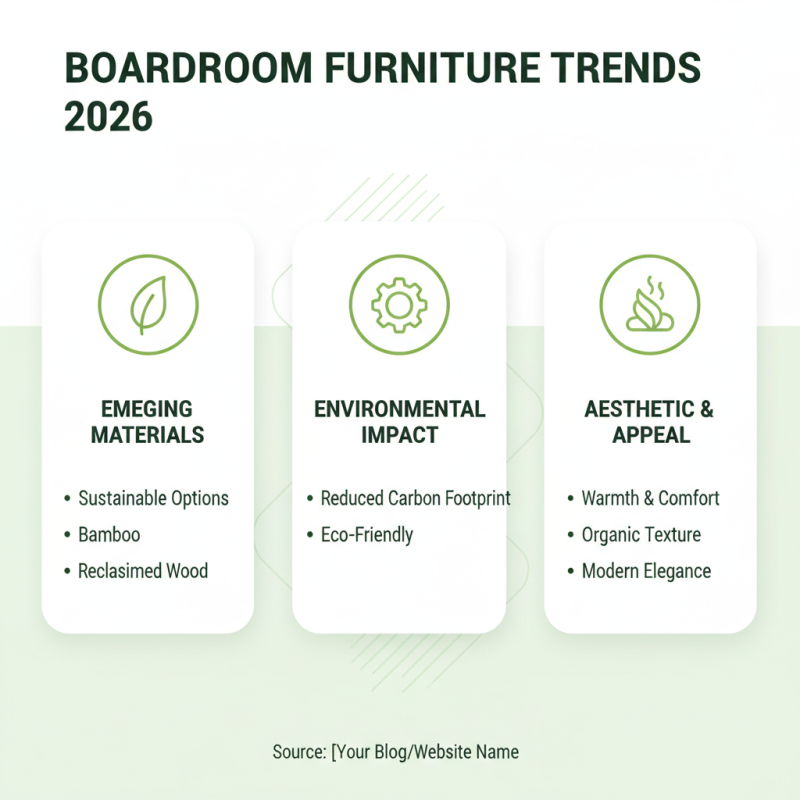
As we look towards 2026, boardroom furniture is evolving in exciting ways. Emerging materials are at the forefront of this transformation. For instance, sustainable options such as bamboo and reclaimed wood are becoming popular. These materials not only reduce environmental impact but also provide a sense of warmth and organic appeal.
High-tech materials like carbon fiber and aluminum are also gaining traction. They offer durability and a modern aesthetic. Lightweight designs can enhance flexibility in boardrooms. However, integrating these materials can pose challenges. Some may not balance style and functionality effectively.
Moreover, there’s a rise in soft materials too, such as memory foam for seating. Chairs that mold to the body can improve comfort during long meetings. Still, issues with durability arise here. Ultimately, the choice of materials reflects a workspace’s values and goals. As we step into 2026, it’s crucial to rethink these choices. What resonates most with your team’s culture?
Sustainable Design Trends Impacting Boardroom Furnishings
Sustainable design trends are reshaping boardroom furnishings. In recent years, the demand for eco-friendly materials has surged. A report from the Global Sustainability Forum indicates that over 70% of companies now prioritize sustainability in their office designs. This shift influences everything from materials to manufacturing processes.
Wood is a popular choice, but sourcing is key. Reclaimed wood or certified sustainable varieties are preferred. Avoid cheap laminates that harm the environment. Companies are opting for green-certified materials to promote a healthier workspace. Metal and glass are also becoming standard, offering durability and a sleek look.
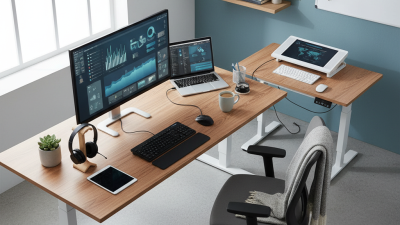
Tips: Consider multipurpose furniture. Tables that can be adjusted for different uses save space and resources. Incorporating biophilic design elements, like plants, can enhance air quality and inspiration. Reflection is essential. Are your choices truly sustainable? Make room for improvement and rethink your approach to furnishings.
Smart Technology Integration in Modern Boardroom Furniture
Smart technology is reshaping modern boardroom furniture, making it more functional and efficient. Tables with built-in wireless charging pads are becoming commonplace. This feature allows users to power their devices seamlessly during meetings. Integrated screens enable easy sharing of presentations and video calls. These additions help keep the room tidy and organized.
However, not all innovations fit every workspace. Some boardrooms may feel cluttered with too much technology. The balance between style and functionality is crucial. A sleek design should not compromise usability. Furniture that is too high-tech can be intimidating for some users. It is essential to consider the comfort levels of all team members when integrating new technology.
Additionally, the emphasis on sustainable materials is on the rise. Furniture made from recycled materials is more appealing. Using eco-friendly designs reflects a commitment to the environment. However, this can sometimes lead to compromises in durability. Therefore, thoughtful selection is key to achieving both aesthetics and longevity. Striving for the perfect blend of smart technology and practical design is vital for modern boardrooms.
Versatile Layouts for Collaborative Boardroom Environments
The evolution of boardroom furniture is significantly shaping modern workspaces. Today, versatile layouts are essential for fostering collaboration. A recent report by the Global Workplace Analytics showed that flexible workspace environments can increase productivity by up to 30%. This statistic emphasizes the importance of adaptable furniture that can easily shift from formal meetings to casual brainstorming sessions.
Collaborative boardrooms often utilize modular furniture systems. These systems can be rearranged to suit different team sizes and meeting formats. Round tables are becoming more popular, allowing for equal participation. The same report notes that 45% of employees prefer open setups for group discussions. This underscores a shift towards creating spaces that promote interaction over hierarchy.
However, not all organizations have embraced this transformation. Some still cling to traditional setups. They risk alienating younger employees, who value collaboration. Modern furniture should not only be functional but also reflect the company culture. It's vital to find a balance between style and practicality while ensuring that the workspace aligns with team dynamics.
Aesthetic Influences Shaping Boardroom Furniture Styles in 2026
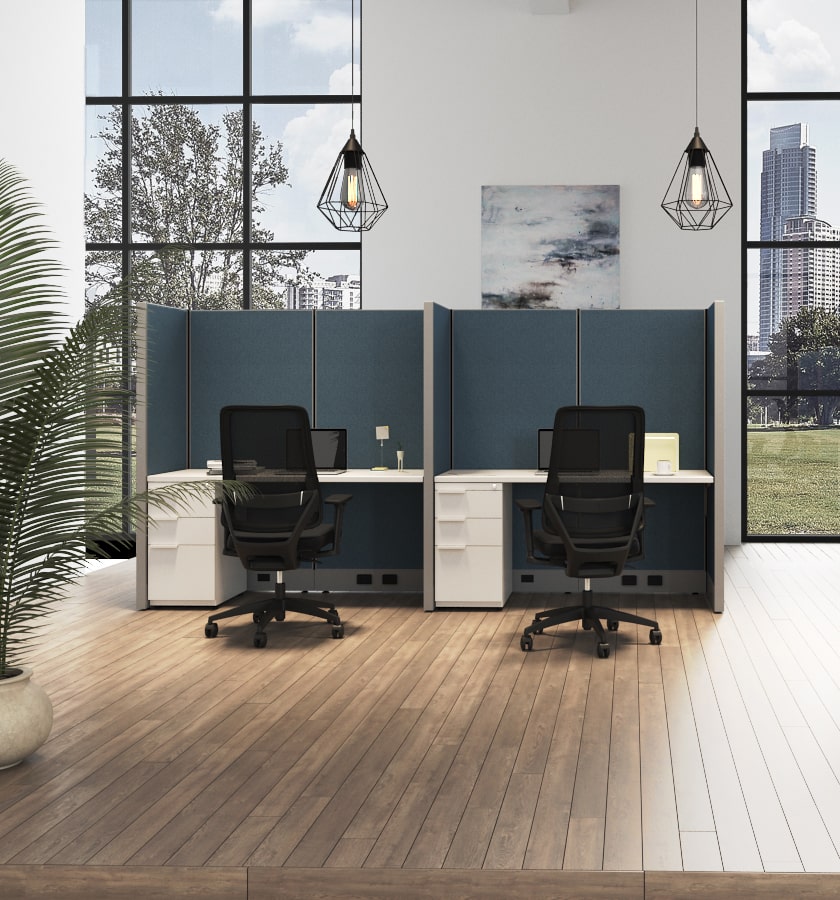
The boardroom in 2026 will reflect a blend of aesthetics and functionality. Designers now prioritize clean lines and natural materials. Wood, metal, and glass will dominate spaces, creating an inviting yet professional atmosphere. Soft tones will replace stark colors, maintaining a calm vibe. Plants and greenery will interweave with furniture, promoting well-being.
Tips: Don't underestimate texture. Incorporate a variety of fabrics in seating. A pop of color can transform a dull space. Ensure your furniture encourages collaboration, not isolation.
Consider lighting carefully. The right illumination highlights the room’s design features. Yet, harsh lighting can be unwelcoming. Balance is essential. Modern boardrooms are evolving, but not without flaws. Those bulky tables of the past may linger, creating a gap between contemporary ideals and reality. Embrace change, but reflect on the need for usability.