2026 Top Trends in Private Office Furniture for Modern Workspaces?
In the evolving landscape of modern workspaces, private office furniture plays a crucial role. Companies are rethinking how they design their work environments. This shift emphasizes flexibility, comfort, and functionality. The right furniture can inspire creativity and enhance productivity.
As we look towards 2026, trends in private office furniture reflect changing work dynamics. Open designs are merging with private spaces, creating hybrid environments. Ergonomic chairs and adjustable desks are gaining popularity. These elements prioritize worker health while promoting collaboration. However, the challenge remains in balancing aesthetics with practicality.
Many may overlook the importance of good design. A cluttered or poorly planned office can hinder performance. Teams might struggle to focus or collaborate efficiently. Thus, investing in thoughtful private office furniture is essential. It can transform a workspace into a hub of innovation, yet finding the right balance is not always easy. Addressing these challenges will shape the future of office design.
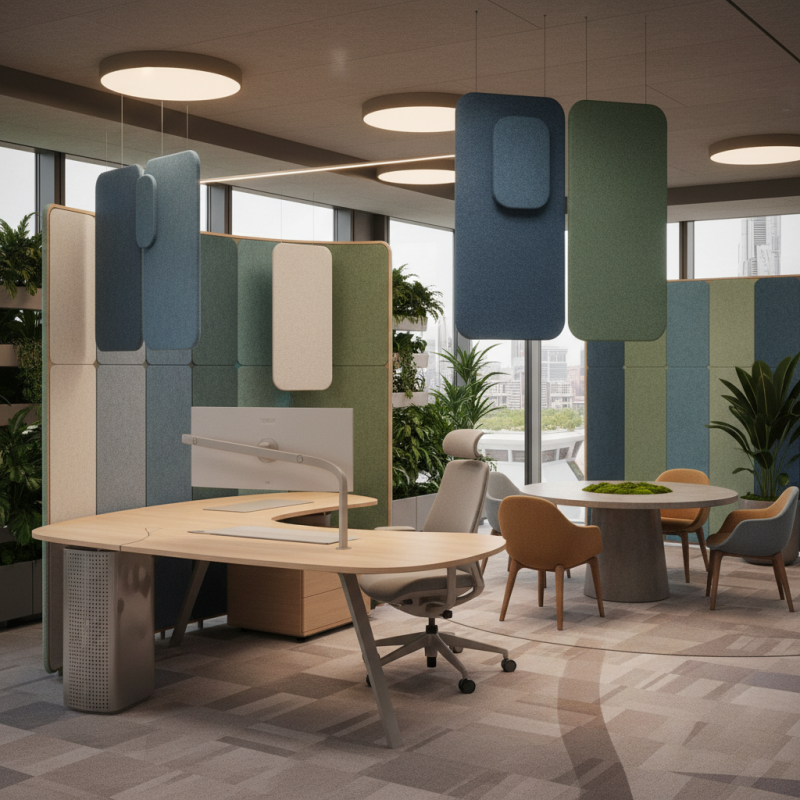
Emerging Materials and Sustainable Design Trends in Private Office Furniture
In 2026, private office furniture will reflect a commitment to sustainability. Emerging materials, like bamboo and recycled plastics, will dominate the market. These materials reduce waste and carbon footprints. Bamboo offers strength and durability, making it a top choice for desks and chairs.
Sustainable design trends will also focus on modular furniture. This allows for flexibility in modern workspaces. Furniture can adapt to various needs. However, there is a challenge. Not all modular designs are as sturdy as traditional pieces. This raises questions about longevity and practicality.
The transition to eco-friendly options may not be flawless. Consumers often prioritize aesthetics over sustainability. This can lead to a disconnect between intention and execution. Furniture designs must balance beauty and function. The pursuit of greener solutions is essential, yet complex. Making choices that are both stylish and responsible demands thought and effort.
The Rise of Biophilic Design: Incorporating Nature into Modern Workspaces
Biophilic design is gaining traction in modern workspaces. Incorporating natural elements creates a calming atmosphere. Plants, natural light, and organic materials enhance productivity. The connection to nature reduces stress and increases well-being. Employees find inspiration in greenspaces.
Tips:
1. Add potted plants to your office. They purify the air and boost mood.
2. Use natural light whenever possible. Large windows or skylights can transform a space.
3. Choose furniture made from sustainable materials. It feels more inviting and aligns with eco-friendly practices.
Designing with biophilia in mind isn't always perfect. You might struggle with maintenance. Plants require care, and not all thrive indoors. Be prepared for some trial and error. Embrace the imperfections; they can lead to a better understanding of your environment.
Additionally, blending natural aesthetics with functionality can be challenging. Ergonomics must still be considered. Balance between comfort and natural design is key. Sometimes, the best solutions may not be immediately evident. Keep exploring and experimenting. Let nature inspire your workspace.
2026 Top Trends in Private Office Furniture for Modern Workspaces
| Trend |
Description |
Benefits |
Implementation |
| Biophilic Design |
Incorporating natural elements such as plants, natural light, and organic materials. |
Enhances well-being, boosts creativity, and reduces stress. |
Use vertical gardens, large windows, and sustainable materials. |
| Flexible Furniture |
Modular and adjustable furniture pieces that can easily be rearranged. |
Supports various work styles and promotes collaboration. |
Incorporate multi-use desks and movable partitions. |
| Eco-friendly Materials |
Furniture made from sustainable and recycled materials. |
Reduces environmental impact and promotes corporate responsibility. |
Select products certified by environmental standards. |
| Ergonomic Designs |
Furniture that supports safe and comfortable posture. |
Promotes employee health and reduces absenteeism. |
Invest in height-adjustable desks and supportive chairs. |
| Smart Office Solutions |
Integration of technology with furniture for improved functionality. |
Enhances productivity and connectivity among employees. |
Incorporate charging stations and smart desks. |
Maximizing Space Efficiency: Modular and Flexible Office Furniture Solutions
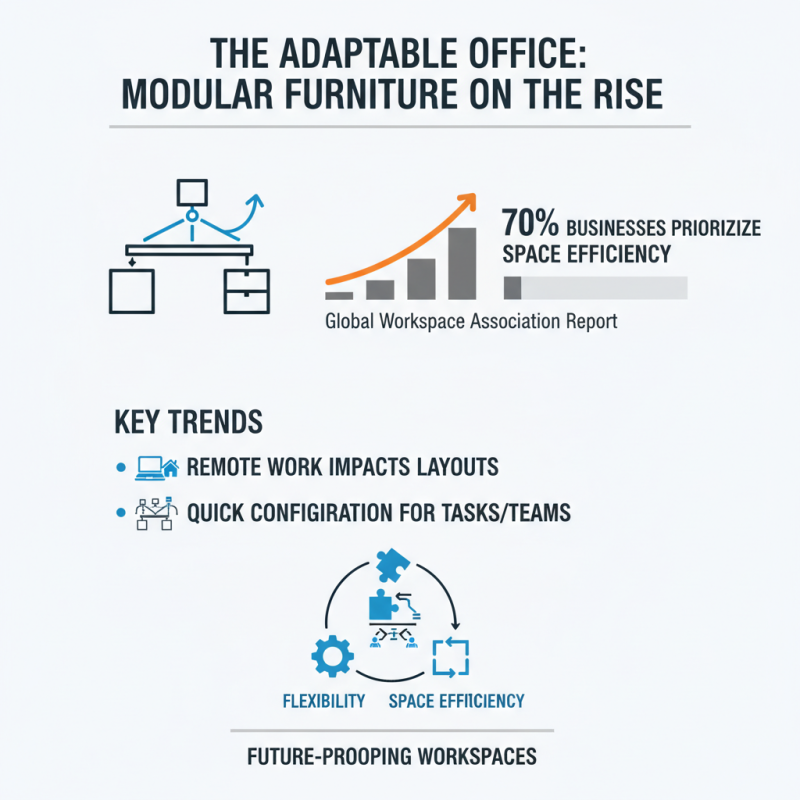
The demand for modular and flexible office furniture is growing fast. According to a recent report by the Global Workspace Association, 70% of businesses are prioritizing space efficiency. This trend reflects the need for adaptable environments as remote work continues to impact traditional office layouts. Firms now seek pieces that can transform spaces quickly to accommodate different tasks and team sizes.
Modular furniture allows for easy reconfiguration. Desks can shift from collaborative to private setups. This adaptability appeals to companies aiming to maximize every square foot. Reports show that companies utilizing flexible furniture experience a 20% increase in employee satisfaction. However, not all businesses are ready for this shift. Some struggle to let go of fixed designs, which can lead to wasted space.
Moreover, embracing modular solutions requires investment in new training and a change in culture. Employees must feel comfortable adjusting their workspaces. This transition can be challenging. Still, it's essential for fostering creativity and collaboration in modern work environments. The benefits of flexible setups are significant, yet the journey to achieving them can be complicated.
Smart Furniture Innovations: Integrating Technology in Private Workspaces
The rise of smart furniture is reshaping private workspaces. Innovations like adjustable desks and tech-integrated seating are becoming essential. A recent study highlighted that 73% of employees prefer offices equipped with smart technology. This shift reflects a growing demand for flexibility and comfort.
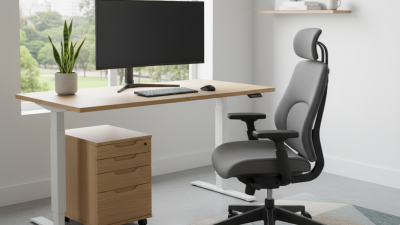
Integrating technology in office furniture enhances productivity and well-being. For instance, smart desks that adjust height automatically cater to individual needs. Such features can reduce discomfort and increase focus. Yet, the challenge remains: how to maintain a balance between technology and traditional design elements. Too much tech can create a sterile environment.
An average office worker spends over eight hours a day at their desk. Poor furniture can lead to health issues. Despite advancements, many workplaces still overlook the importance of ergonomic designs. Investing in smart furniture is crucial. But employers must evaluate these products carefully to ensure they fit their unique workspace culture.
2026 Top Trends in Private Office Furniture for Modern Workspaces
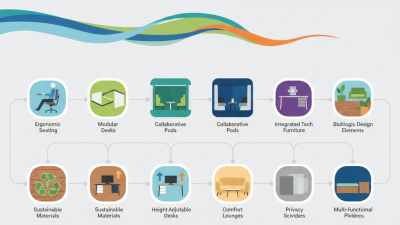
The bar chart above illustrates the top trends in private office furniture for modern workspaces as of 2026. These trends reflect the growing importance of ergonomic design, sustainable materials, tech integration, modular solutions, and space optimization in creating more efficient and comfortable work environments.
The Importance of Ergonomics: Enhancing Employee Comfort and Productivity
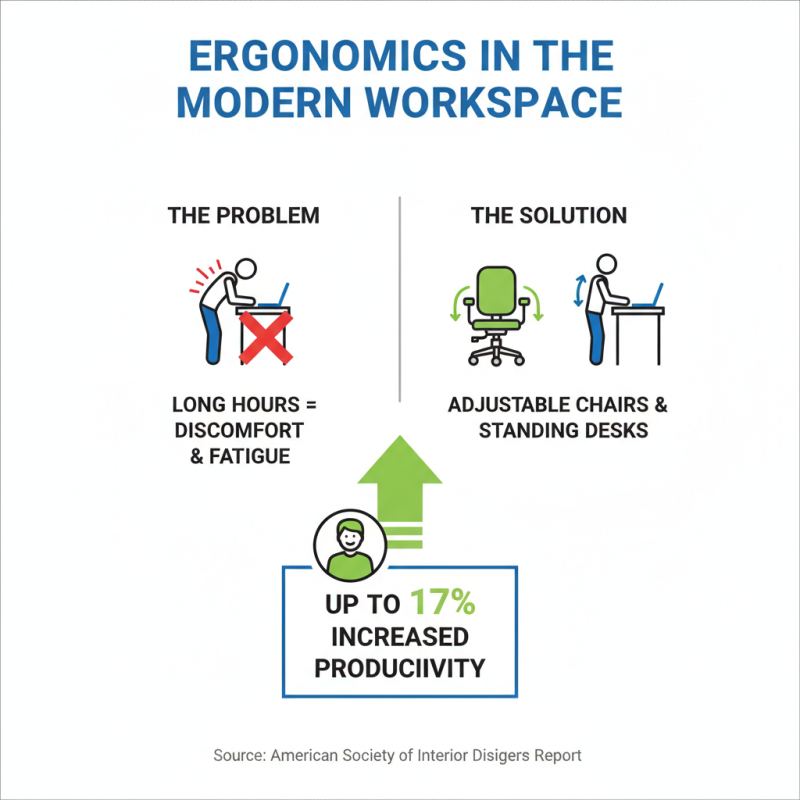
In modern workspaces, ergonomics has become crucial. A report from the American Society of Interior Designers shows that well-designed office furniture can improve productivity by up to 17%. Employees are spending more hours at their desks, and discomfort can lead to decreased focus. Adjustable chairs and standing desks can significantly reduce back pain and fatigue.
Research indicates that 75% of office workers experience discomfort at their workstations. This discomfort can directly affect morale and output. Providing support through ergonomic furniture not only enhances comfort but also fosters a healthier workplace culture. Simple changes can make significant impacts.
However, despite the clear benefits, many offices still overlook ergonomic solutions. Some might focus solely on aesthetics, neglecting employee wellbeing. It’s essential to recognize that a visually appealing workspace should also be a functional one. Companies should reconsider their furniture investments to ensure they are meeting both comfort and design needs.