10 Best Conference Furniture Options for Your Meeting Room Spaces?
In today’s competitive business landscape, the importance of well-designed meeting spaces cannot be overstated. A recent report by Global Market Insights highlights that the conference furniture market is expected to grow by 5.6% annually through 2026. This growth reflects the rising demand for effective collaboration and creativity in the workplace. Having the right conference furniture can directly enhance productivity and engagement during meetings.
Choosing quality conference furniture is essential. It should not only be functional but also comfortable and aesthetically pleasing. According to a survey by Steelcase, 73% of employees believe that the layout of their meeting spaces affects their productivity. This statistic emphasizes the need for thoughtful design. However, many businesses overlook the significance of ergonomics and flexibility in their furniture selections, resulting in discomfort during lengthy discussions.
Investing in the right conference furniture involves understanding diverse needs. Some spaces require modular options, while others benefit from traditional setups. It's important to reflect on how these choices impact team interactions. Striking the right balance can transform typical meetings into innovative brainstorming sessions. Still, many struggle with incorporating proper furniture solutions, missing opportunities for improved collaboration.

Factors to Consider When Choosing Conference Furniture for Your Room
When choosing conference furniture, several factors are key. Comfort is essential for long sessions. According to a survey by the American Society of Interior Designers, 68% of professionals believe comfort improves productivity. Ergonomic chairs can reduce fatigue and enhance focus. Look for options with adjustable features to cater to various preferences.
Another important consideration is space optimization. The layout of your meeting room affects collaboration. Research indicates that open layouts facilitate communication and creativity. Selecting modular furniture allows for flexibility. This means you can rearrange or resize as needed. However, it’s crucial to strike a balance between openness and privacy.
Aesthetics also play a role. The right design can inspire creativity. However, it’s easy to overlook this factor. A study by the International Interior Design Association found that 58% of workers felt more innovative in aesthetically pleasing environments. Choosing colors and styles that reflect your brand can enhance the overall atmosphere. Reflecting on these elements can lead to better decision-making for your conference room setup.
Types of Conference Tables: Round, Rectangular, and Modular Options
When choosing conference furniture, the type of table is crucial.
Round tables encourage interaction. They create a casual atmosphere, suitable for brainstorming sessions.
Something about their shape softens the formality of discussions. However, they can be limited in seating capacity,
which may not suit larger groups.
Rectangular tables offer a classic option and promote a more organized layout.
They’re ideal for presentations and formal meetings. Participants can easily see the speaker.
Yet, they can feel rigid, making conversations less fluid. There’s also a space challenge;
larger tables may dominate the room, leaving little flexibility for other furniture.
Modular tables provide an adaptable choice. These can be rearranged to suit various group sizes and activities.
This flexibility promotes creativity. However, managing and storing them can be tricky.
If not organized well, they can clutter space and hinder flow. Balancing functionality with aesthetics
is always an ongoing challenge in designing meeting spaces.
Essential Conference Room Chairs: Comfort and Ergonomics Matter
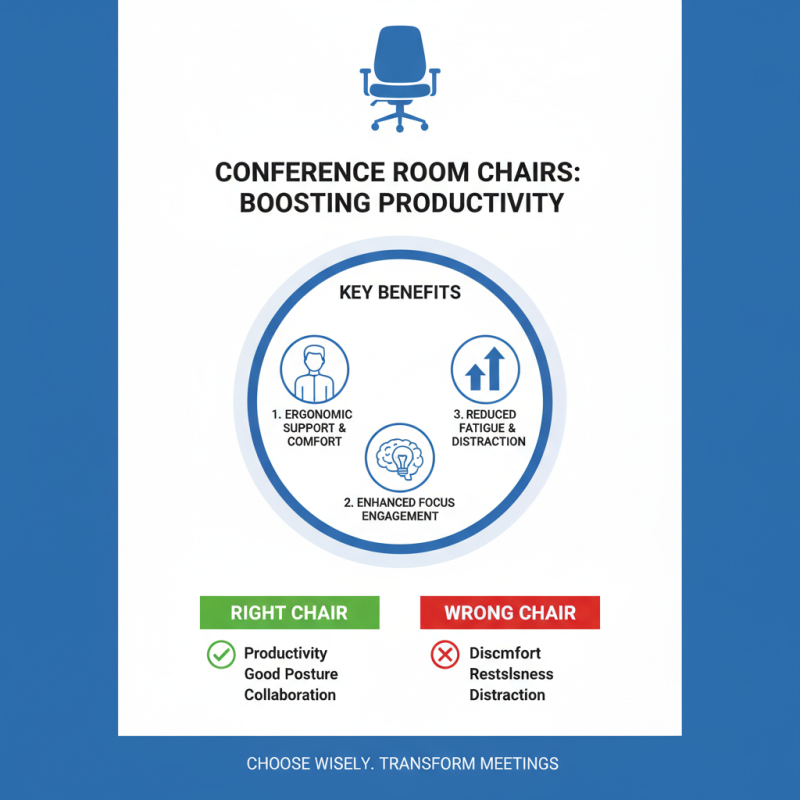
In a conference room, chairs are crucial for comfort and productivity. Choosing the right seating can transform meetings. Ergonomic designs support posture, reducing fatigue. The right chair enhances focus. It encourages participants to engage in discussions. An uncomfortable chair can lead to distractions and frustration.
Consider adjustable features. Height, armrests, and lumbar support should be customizable. A chair should adapt to different body types. This flexibility is often overlooked. Many people settle for standard options. They forget that comfort can improve teamwork and creativity.
Materials matter too. Breathable fabrics prevent overheating during long meetings. A chair with cushioning can make a substantial difference. People may underestimate how a well-designed chair influences mood. When comfort and ergonomics align, individuals feel valued. They are likely to contribute more freely. This is an essential yet often ignored aspect of meeting room furniture.
Tech-Integrated Furniture: Enhancing Collaboration in Meetings
In today's fast-paced business environment, tech-integrated furniture is revolutionizing meeting rooms. Collaborative spaces are more essential than ever. According to a recent report, 77% of executives believe technology boosts productivity. This highlights the role of innovation in fostering effective teamwork.
Imagine a table that seamlessly connects to devices. It’s not just a piece of furniture. It allows for instant sharing of ideas and agendas. Video conferencing tools integrated into furniture can make remote collaboration smoother. However, not all setups work perfectly. Some users find these technologies complicated or unreliable. It’s a balancing act.
Wireless charging surfaces and built-in screens are popular features. But, their practicality can vary. Users often express frustration when tech fails or is underutilized. Additionally, comfort is a crucial factor. If chairs are uncomfortable, the benefits of technology can be overshadowed. Thoughtful design can enhance both comfort and connectivity. Making informed choices in furniture can significantly impact meeting dynamics, but reflection on user experience is vital to success.
Storage Solutions: Keeping Your Conference Space Organized and Clutter-Free
Keeping a conference space organized can be challenging. An effective storage solution is essential for a
clutter-free environment. Think about multifunctional furniture.
Tables with built-in compartments save space.
Chairs that stack or nest can free up room when not in use. Use these options to maximize your space.
Consider mobile storage units. They can move easily, adapting to your needs. Lockable cabinets can secure important materials.
Open shelving can display subtle decor and keep items within reach. This combination creates a
functional yet inviting atmosphere.
However, simplicity can sometimes lead to chaos. A minimalist design may overlook practicality. Storage must accommodate varied supplies and equipment.
Keep the storage accessible, ensuring it is not overloaded. The goal is to maintain order while making your meetings more
more efficient and enjoyable.