Best Institutional Furniture Options for Global Buyers?
In the dynamic world of global commerce, institutional furniture plays a crucial role. This sector encompasses a variety of furniture tailored for educational, healthcare, and corporate environments. According to a recent report by Market Research Future, the global institutional furniture market is projected to reach $60 billion by 2025. This signifies a robust demand that reflects the growing need for functional yet aesthetically pleasing spaces.
Global buyers face numerous options when selecting institutional furniture. The right choice can enhance productivity and improve user experience. However, it’s vital to consider factors like durability, design, and environmental impact. A 2022 survey from IBISWorld reveals that 75% of buyers prioritize sustainability in their purchasing decisions. Such statistics underscore the importance of balancing style with responsibility.
Choosing the best institutional furniture is more complex than it may seem. Buyers should consider customization opportunities, material quality, and supplier reputation. Some companies have emerged as leaders, while others struggle to keep up. An informed choice requires understanding market trends and user needs. By reflecting on these elements, buyers can make decisions that not only fulfill immediate needs but also contribute to long-term satisfaction.
Overview of Institutional Furniture Types for Global Markets
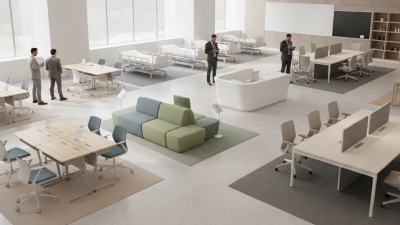
Institutional furniture plays a vital role in various global markets. Different sectors have unique needs that demand specific types of furniture. For instance, educational institutions often require durable and functional furniture that can withstand heavy use. Tables and chairs should be comfortable yet affordable, fostering an effective learning environment.
Healthcare facilities also have distinct furniture requirements. Chairs and beds need to prioritize hygiene and ease of maintenance. The materials should be easy to clean, while ergonomic designs ensure patient comfort. Each piece of furniture must comply with safety and health standards, a reflection of quality and responsibility in design.
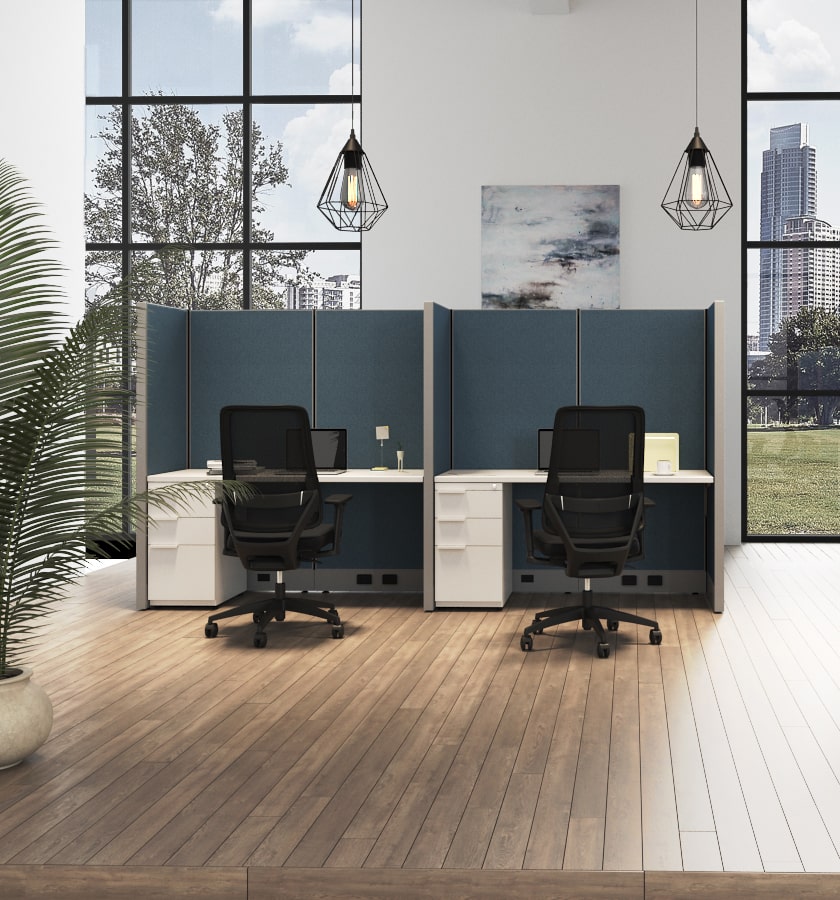
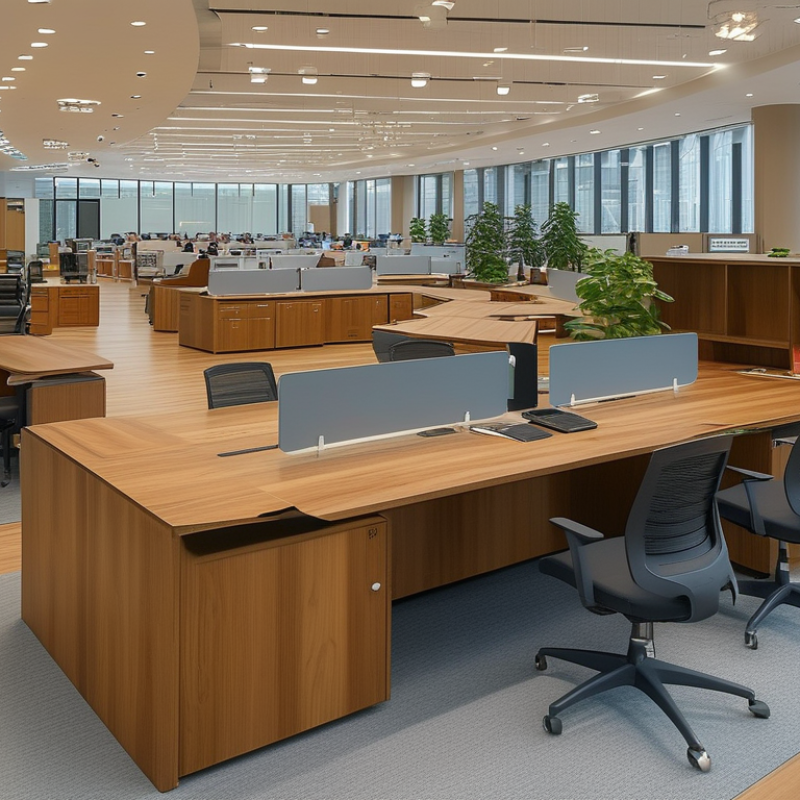
Office spaces seek furniture that promotes collaboration and productivity. Modular designs can adapt to varying needs throughout the workday. However, many buyers overlook the importance of aesthetics. While functionality is crucial, the appearance of the furniture impacts employee morale. Ensuring the right balance between utility and beauty remains a challenging yet essential aspect of furniture selection.
Key Considerations for Selecting Institutional Furniture Options
When selecting institutional furniture, various key considerations come into play.
Quality and durability are paramount for institutions.
Research indicates that well-constructed furniture lasts up to 15 years, reducing long-term costs.
Institutions face tight budgets. Investing in durable furniture may result in savings over time.
Space optimization also matters. Properly designed furniture maximizes the functionality of the area.
For instance, modular designs adapt to different layouts, providing flexibility.
A report by Market Research Future shows that the global institutional furniture market is projected to grow at a CAGR of 5.2% from 2021 to 2026.
This growth reflects a strong demand for efficient design and quality.
Tip: Always assess the specific needs of your institution before making a purchase.
Evaluate the expected volume of use and wear. It's essential to involve end-users in the decision process for practical insights.
Sustainability is another consideration. Eco-friendly materials should be prioritized,
as institutions increasingly move towards greener options.
When selecting furniture, remember to assess warranties and customer support.
A strong warranty indicates confidence in product quality.
It’s critical to research reviews and feedback from other institutions to validate choices.
An informed decision can lead to better outcomes for all stakeholders involved.
Top Global Suppliers of Institutional Furniture
When sourcing institutional furniture, understanding the global landscape is essential. Numerous suppliers excel in providing durable and functional options tailored for diverse environments. Institutions need furniture that meets both aesthetic and practical requirements. While selecting, consider local suppliers who understand the nuances of regional preferences.
Top global suppliers often focus on sustainability and innovation. This trend allows buyers to make eco-friendly choices that align with modern values. Quality materials are crucial. Institutions should prioritize suppliers who offer robust warranties. This approach ensures longevity, even in high-traffic areas. However, it can be challenging to balance budget constraints with the desire for superior quality.
Exploring various suppliers can reveal unexpected opportunities. Not every popular choice may suit your specific needs. Smaller manufacturers might provide unique designs that larger companies overlook. Conduct thorough research and seek reviews. Talking to other institutions can shed light on reliability and service quality. In an evolving market, staying informed will lead to smarter purchasing decisions.
Best Institutional Furniture Options for Global Buyers
| Product Type |
Material |
Dimensions |
Weight Capacity |
Price Range (USD) |
| Classroom Chair |
Polypropylene |
18" x 18" x 32" |
300 lbs |
$30 - $50 |
| Library Table |
Melamine |
60" x 30" x 30" |
500 lbs |
$150 - $300 |
| Auditorium Seat |
Fabric & Steel |
22" x 22" x 34" |
400 lbs |
$200 - $500 |
| Cafeteria Bench |
Wood & Metal |
60" x 18" x 18" |
800 lbs |
$250 - $400 |
| Office Desk |
Particle Board |
48" x 24" x 30" |
200 lbs |
$100 - $250 |
Trends in Institutional Furniture Design and Functionality
Institutional furniture design is evolving. Recent trends emphasize functionality and versatility. Modern buyers seek furniture pieces that adapt to various needs. This is especially true in educational and healthcare settings. Spaces must cater to collaboration, comfort, and utility.
Sustainability is also a major factor. Buyers increasingly prefer materials that are eco-friendly and durable. Consideration of lifecycle impact is crucial. Selecting furniture made from recycled or sustainably sourced materials reflects urgency for environmental responsibility. However, not all options are equally viable. We must evaluate the long-term performance of these materials.
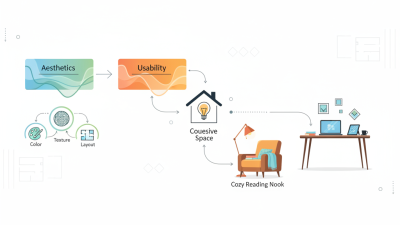
Furthermore, the focus on aesthetics cannot be overlooked. Visual appeal plays a significant role in institutional furniture choices. A balance between form and function is necessary. Spaces should inspire and promote well-being while remaining practical. This duality often presents a challenge for designers and buyers alike. Adaptation to changing user needs is essential but complex. Navigating these trends requires thoughtful consideration and a willingness to reflect on past decisions.
Best Institutional Furniture Options for Global Buyers
This chart depicts the preferences of global buyers regarding various aspects of institutional furniture. The scores reflect the importance of quality, durability, design, functionality, and sustainability in their purchasing decisions.
Sustainability in Institutional Furniture Manufacturing and Sourcing
Sustainability has become critical in the institutional furniture sector. According to a 2022 report by the International Furniture and Interiors Association (IFIA), nearly 70% of global buyers prioritize eco-friendly materials. This demand drives manufacturers to adopt sustainable practices. The use of responsibly sourced wood and recycled materials is increasing, but challenges remain.
An alarming 40% of industries still rely on non-renewable resources for production. This reliance poses long-term risks. Buyers need to ask tough questions about sourcing practices and material origins. Transparency must be prioritized. Institutions seek furniture that reflects their values, but inconsistencies in supply chains can undermine these efforts.
The shift towards greener options benefits the environment. Many manufacturers are investing in energy-efficient production methods. The use of water-based finishes minimizes harmful emissions. However, the industry still grapples with the balance between cost and sustainability. As awareness grows, stakeholders must navigate complexities to develop authentic, environmentally-conscious products.