10 Best Office Cabinets for Every Workspace?
Choosing the right office cabinet is no longer a simple matter of matching wood tones. Today’s workspace must manage paper files, chargers, personal items, shared equipment, and visual clutter. A cabinet that looks elegant but blocks circulation can quickly become an expensive mistake.
Industry data supports a more practical approach. The Gensler Research Institute’s 2024 Global Workplace Survey shows that employees value choice, control, and varied settings during the workday. The report also indicates that offices must support focused work and collaboration. Meanwhile, the Business and Institutional Furniture Manufacturers Association (BIFMA) continues to emphasize durability, safety, and performance in commercial furniture specifications. These findings make storage a planning decision, not a decorative afterthought.
Workplace strategist Kay Sargent is often quoted as saying, “The workplace is not one-size-fits-all.” That principle applies directly to every office cabinet. A lockable steel unit may suit confidential records, while a low credenza can divide zones without creating a visual wall. Open shelving may improve access, but it can also expose clutter within minutes. Small details matter, such as smooth drawer runners, adjustable shelves, cable openings, and stable anti-tip construction.
This guide reviews 10 best office cabinet options for different workspaces, budgets, and storage habits. Some choices prioritize security. Others favor mobility or compact footprints. No cabinet is perfect. The right decision depends on what your team stores, how often it moves, and how much visual order the room truly needs.
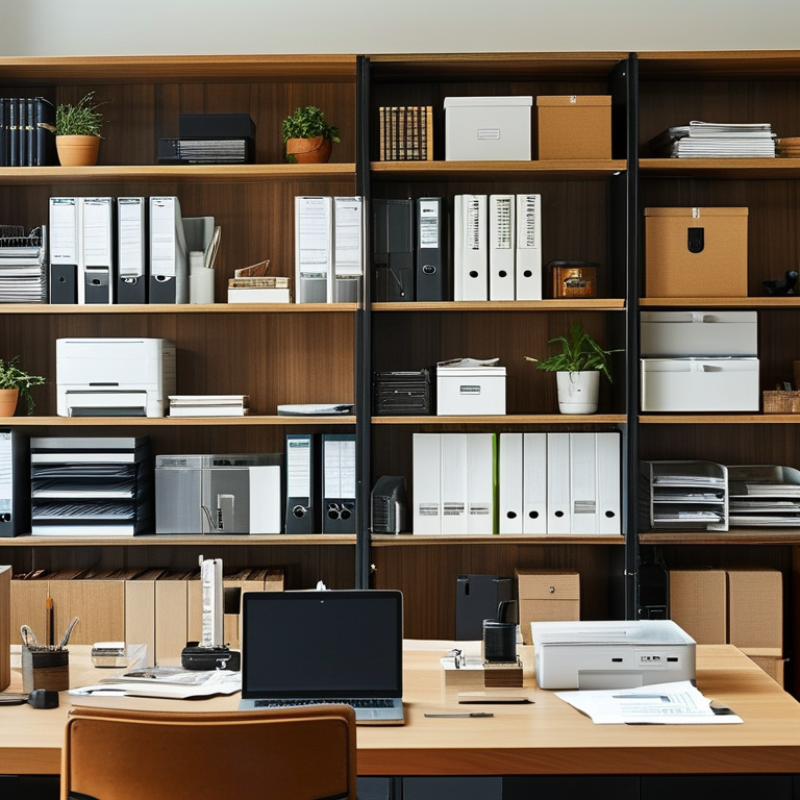
Office Cabinet Types for Different Workspace Needs
10 Best Office Cabinets for Every Workspace?
Office Cabinet Types for Different Workspace Needs
Choosing an office cabinet starts with workflow, not appearance. A vertical filing cabinet suits narrow rooms and stores documents upward. A lateral cabinet works better beside shared desks because drawers open across the wall. Mobile pedestals keep daily supplies within reach and can move with changing teams. In my experience, this simple mobility reduces desk clutter quickly.
Credenzas provide broad storage under printers, meeting screens, or display areas. Tambour cabinets save space because their doors roll inside the frame. Lockable storage suits confidential files, while open shelving keeps frequently used materials visible. For reception areas, a low cabinet creates a clean welcome zone without blocking sightlines. Under-desk units help small workstations, although their capacity is limited. That trade-off matters.
Larger offices may need modular storage walls or combined filing systems. These options support expansion, but poor planning can make a room feel heavy. Measure doorways, walkways, and drawer clearance before ordering. Check certified load ratings and choose stable, adjustable shelves for changing equipment. In a small studio, I once selected deep cabinets for extra capacity. They looked efficient, but blocked movement near the printer. I would measure circulation space first now. Finish, lock quality, edge durability, and easy cleaning also deserve practical attention.
Key Features That Define a High-Quality Office Cabinet
10 Best Office Cabinets for Every Workspace
Key Features That Define a High-Quality Office Cabinet
A high-quality office cabinet begins with stable construction. Powder-coated steel resists daily scratches, while thick panels prevent unwanted movement. I check the cabinet’s weight, joints, and base before judging its appearance. A slightly heavier unit often feels safer, but excessive weight can complicate installation. That trade-off deserves attention.
Storage should match real working habits. Adjustable shelves accommodate binders, equipment, and smaller supply boxes without wasted space. Smooth drawers should open evenly and remain aligned under moderate loads. Lockable compartments protect confidential documents in shared offices. However, a lock alone does not replace sensible access control.
Small details affect daily comfort. Rounded edges reduce painful bumps in narrow walkways. Ventilation openings help protect electronics from trapped heat. Cable ports keep chargers organized instead of hanging across the floor. Leveling feet are valuable on uneven surfaces. Measure the doorway first. I once ordered a cabinet that fit the room perfectly but could not pass through the entrance. That mistake still influences my recommendations.
A dependable cabinet should also include clear load guidance and durable hardware. Test the doors for quiet closing and check whether hinges feel secure. Choose recyclable materials when practical, but verify the manufacturer’s claims rather than trusting vague labels. The best choice is not always the most attractive one. It should support the workspace, survive repeated use, and remain easy to maintain.
The 10 Best Office Cabinets for Various Workspaces
10 Best Office Cabinets for Every Workspace?
Choosing the right cabinet depends on room size, work habits, and storage risks. In workplace assessments, I often match cabinets to movement, access, and daily clutter. A mobile pedestal fits compact desks and keeps files close. A lateral cabinet stores wide folders without wasting wall height. A vertical cabinet suits narrow offices with tall walls. An under-desk cabinet protects small supplies while preserving floor space. A credenza adds storage behind a meeting table. For shared areas, a lockable cabinet limits casual access. A tambour-door cabinet works well in corridors because its doors need little swing space. A glass-door cabinet displays samples, but fingerprints appear quickly. Modular cabinets adapt as teams grow. Open shelving gives fast access, though it rarely hides visual mess.
Tips: Measure doorways, desk clearance, and drawer travel before ordering. Check weight ratings, adjustable shelves, and smooth drawer stops. Heavy cabinets should stay level and stable. I once placed a deep unit beside a busy walkway; the storage was useful, but the traffic became awkward. That mistake changed my planning method. I now sketch walking paths before selecting cabinet depth. In shared offices, label broad categories rather than every item. Clear labels reduce searching and make handovers easier. Wood surfaces feel warm, while steel handles frequent use better. Neither option is perfect. Choose based on cleaning routines, noise tolerance, and the team’s actual habits.
10 Best Office Cabinets for Every Workspace? - The 10 Best Office Cabinets for Various Workspaces
| No. |
Cabinet Type |
Recommended Workspace |
Typical Dimensions
(W × D × H) |
Material |
Storage Configuration |
Security |
Best Feature |
| 1 |
Two-Door Storage Cabinet |
Large offices and shared departments |
36 × 18 × 72 in |
Powder-coated steel |
Four adjustable shelves |
Keyed or electronic lock |
High vertical capacity |
| 2 |
Lateral File Cabinet |
Records rooms and open-plan offices |
36 × 20 × 30 in |
Steel |
Two wide file drawers |
Central locking system |
Easy side-to-side filing |
| 3 |
Mobile Pedestal Cabinet |
Small offices and hot desks |
15 × 20 × 25 in |
Steel or laminate |
One file drawer and one utility drawer |
Lockable drawers |
Moves easily on casters |
| 4 |
Glass-Door Display Cabinet |
Reception areas and meeting rooms |
32 × 16 × 72 in |
Steel frame and tempered glass |
Four adjustable shelves |
Lockable glass doors |
Displays materials while limiting dust |
| 5 |
Overhead Wall Cabinet |
Workshops and compact offices |
36 × 15 × 24 in |
Powder-coated steel |
One or two internal shelves |
Lockable swing doors |
Uses vertical wall space |
| 6 |
Bookcase Cabinet |
Libraries and collaborative areas |
30 × 12 × 60 in |
Melamine or engineered wood |
Three to four open shelves |
Usually open storage |
Quick access to books and binders |
| 7 |
Fire-Resistant File Cabinet |
Finance, legal, and archival storage |
20 × 20 × 52 in |
Insulated steel |
Four vertical file drawers |
High-security lock |
Designed for protected document storage |
| 8 |
Under-Desk Cabinet |
Private offices and compact workstations |
16 × 19 × 24 in |
Steel or laminate |
Two drawers or one drawer and shelf |
Lockable front panel |
Keeps personal files within reach |
| 9 |
Wardrobe Cabinet |
Staff rooms and hybrid offices |
24 × 20 × 72 in |
Steel |
Hanging rail and upper shelf |
Keyed lock |
Stores coats, bags, and workwear |
| 10 |
Utility and Equipment Cabinet |
IT rooms and supply areas |
36 × 24 × 72 in |
Reinforced steel |
Adjustable shelves and cable openings |
Three-point locking system |
Organizes bulky equipment and supplies |
Note: Dimensions and configurations represent typical office-cabinet specifications. Actual capacity, load limits, lock options, and installation requirements may vary by product.
Choosing the Right Office Cabinet for Your Workspace Layout
Choosing an office cabinet starts with the room, not the catalog. Measure wall length, door swing, walking clearance, and the distance from desks. A cabinet that fits the wall may still interrupt daily movement. Leave about 36 inches for a comfortable main walkway. Small rooms need vertical storage. Wide units often make them feel crowded.
For shared workspaces, lockable drawers can protect contracts, payroll records, and spare devices. Place frequently used files between waist and shoulder height. Heavy folders belong low, where they are easier to lift safely. In an open office, sliding doors usually need less clearance than hinged doors. Check the noise. Metal doors can slam harder than expected. Do not let cabinets narrow accessible routes or block vents and exits.
Match storage to work habits. If employees archive digitally, a compact cabinet may outperform a tall filing wall. If paper intake remains high, adjustable shelves and labeled sections reduce searching time. During installations, I have seen teams overestimate future storage needs. Unused cabinets become expensive obstacles. That mistake is worth questioning. Choose durable finishes, stable bases, and hardware that opens smoothly after repeated use. Review the layout again after a week. Real behavior can expose a poor choice.