
A satisfying shower is not measured by spray patterns alone. It depends on water pressure, flow rate, installation, and the feel of water on your skin. A wide rainfall plate can look impressive, yet feel weak in a low-pressure bathroom. A compact handheld model may prove more useful when rinsing shampoo or cleaning the tub.
Licensed plumber and plumbing educator Roger Wakefield’s practical guidance can be summarized this way: “Choose a shower head that works with your home’s water pressure, not just its appearance.” This is an editorial paraphrase, not a verbatim quotation. The distinction matters. A product’s promises can sound convincing, but your plumbing determines much of the real experience.
This guide to the best Shower Head options in 2026 compares spray settings, ease of installation, cleaning, and water efficiency. It also considers the details shoppers often overlook: mineral buildup around nozzles, a handle that feels slippery, or a hose that falls short of the tub. Small things. They shape daily comfort.
Some recommendations will suit busy households; others may fit a simple guest bathroom better. No single pick is perfect for every home. Water pressure varies, and personal comfort is hard to score on a chart. Use the comparisons as a practical starting point, then check your own setup before buying. A little doubt is useful here. It can prevent an attractive upgrade from becoming an expensive disappointment.
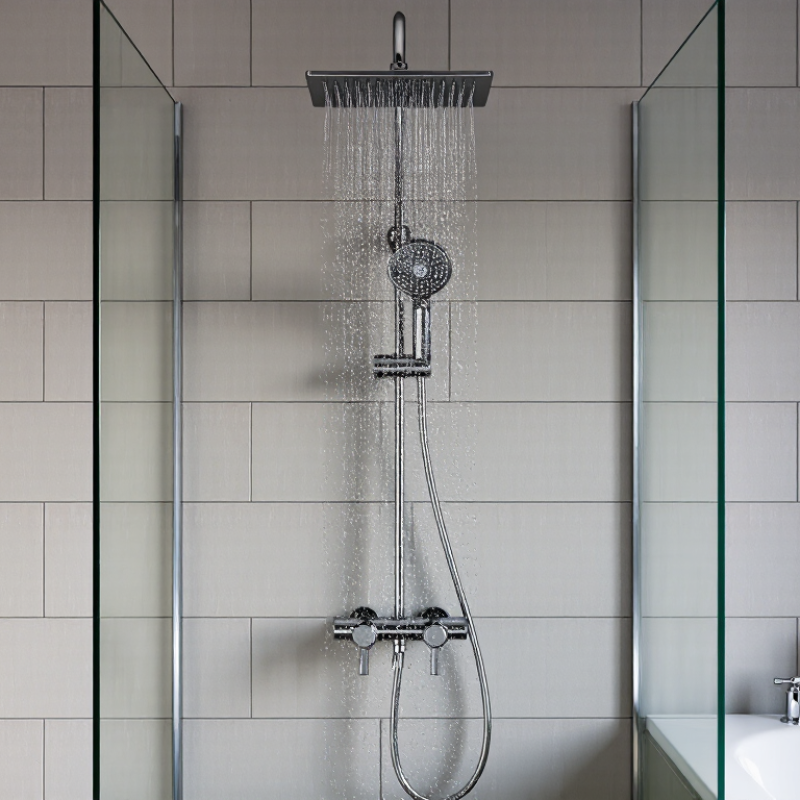
A showerhead does not create water pressure; it shapes the flow supplied by your plumbing. Water enters through the connection, passes through internal channels, then exits through small nozzles. Some designs mix air into the stream, making droplets feel fuller without necessarily using more water. The sensation also depends on household pressure, pipe condition, and the head’s design. Small details matter.
A good model balances comfort with reliable performance. Look for spray settings you can change easily and nozzles you can wipe clean when mineral deposits appear. If pressure is modest, a head that maintains a steady stream may feel better than a wide, scattered spray. But no showerhead can fix a plumbing problem. Not always. Check the fitting size and rated flow before buying; water conditions vary. I may be placing too much weight on easy cleaning, since maintenance needs differ from home to home.
In daily use, test the settings with wet hands, not just in a showroom. A quick rinse can show whether the spray reaches the corners or leaves a cold patch. Durable finishes help, though appearance alone says little about internal quality. I would not treat a long feature list as proof of better engineering. The best choice suits your pressure, cleaning habits, and preferred spray, even if it looks less impressive on paper.

Fixed shower heads attach to a wall or ceiling and suit simple, uncluttered setups. Many offer adjustable spray patterns, from a focused rinse to a softer, wider flow. Rain-style heads spread water over a larger area, which can feel calming, though they may use more water or need stronger plumbing pressure. Check your home’s water flow before choosing one.
Handheld shower heads connect to a flexible hose, making it easier to rinse children, pets, or a tiled shower floor.
Dual systems combine a fixed head with a handheld unit; useful, but the extra fittings can make installation more involved.
Low-flow models are designed to limit water use while maintaining a comfortable spray. Actual performance depends on household pressure, so product descriptions alone may not tell the whole story.
Tips: Match the head to your daily routine and existing plumbing. Measure the shower arm and check connection compatibility before buying. If pressure is already weak, a large rain head may disappoint. Keep it practical. A handheld option can be especially helpful in a small shower, though the hose may feel awkward until you find a convenient holder position.
A good shower head should balance water use, spray comfort, and easy maintenance. The U.S. EPA WaterSense program identifies efficient models by a maximum flow rate of 2.0 gallons per minute, compared with the federal standard of 2.5. EPA estimates that a typical family can save about 2,700 gallons of water and 330 kilowatt-hours of electricity yearly by replacing older shower heads with WaterSense-labeled models. Actual savings vary with household use and water-heating systems.
Compare spray settings, flow rate, and cleaning needs before choosing. A wide spray can feel gentle, while a concentrated pattern may rinse shampoo faster; comfort is personal, not just a number. Check whether the head fits your existing connection and whether its nozzles resist mineral buildup. Hard-water deposits can clog small openings, so removable parts or flexible nozzles may be easier to clean. Small details matter. No spec sheet tells the whole story.
Tips: Test the spray in a store when possible, and check the return policy. At home, time a rinse and watch for weak coverage. I would not judge pressure from flow rate alone; plumbing and household water demand affect the feel.
The best shower head in 2026 depends less on a feature list than on your bathroom, water pressure, and daily habits. For a compact shower, a simple fixed head with adjustable spray settings can feel comfortable without taking up space. If you rinse long hair, bathe children, or clean the tub, a handheld model offers more control. That matters.
A rainfall-style head spreads water over a wider area and can create a gentle, immersive feel. It may disappoint in a home with weak pressure, though, so check the product’s pressure requirements before buying. A dual setup combines a fixed head and handheld sprayer, but it costs more and may need extra installation work. Measure the shower arm and available clearance; a large head can feel awkward in a narrow stall.
For a tight budget, prioritize a sturdy connection, easy-to-clean nozzles, and a spray pattern you actually like. Mid-priced options often add a handheld wand or more settings, while premium models may offer broader coverage and metal components. Price alone is not proof of better performance. In areas with hard water, mineral deposits can clog small outlets, so removable or flexible nozzles are useful. Check local flow rules and your existing plumbing before replacing a head. One small regret: extra settings sound useful, but many people settle on one or two.
Choosing a showerhead is only part of the decision; installation and upkeep affect comfort and water use too. The U.S. EPA’s WaterSense program says certified showerheads use no more than 2.0 gallons per minute, at least 20% less than the 2.5-gallon federal standard. EPA estimates an average family can save about 2,700 gallons yearly by switching. Check your home’s pressure before choosing: an efficient model may feel weak if pipes or valves are already restricting flow.
Installation need not be complicated, but small details matter. Remove the old head, clear debris from the shower arm, and use plumber’s tape if the instructions recommend it. Hand-tighten the new fitting, then check for drips with the shower running. A bucket test gives a rough flow-rate check: time how long it takes to fill a one-gallon container. Do not remove a flow regulator to chase stronger spray; that can increase water use without fixing the underlying pressure problem.
Mineral scale can clog spray openings and create uneven streams. Clean removable parts as directed, using vinegar only when the care instructions allow it. Avoid sharp tools that can damage the nozzles. A stronger spray is not always a better shower; pattern and pressure matter. I’d recheck for leaks after a few days, since fittings can loosen slightly. Small parts matter.
| Shower Head Type | Best Suited For | Typical Flow-Rate Options | Water-Efficiency Considerations | Installation | Maintenance | Main Trade-Off |
|---|---|---|---|---|---|---|
| Fixed shower head | A simple, low-maintenance setup with a consistent spray position. | Many models are available at 1.5, 1.75, 2.0, or 2.5 gallons per minute (gpm). | In the United States, WaterSense-labeled models use no more than 2.0 gpm and meet independent performance criteria. Check the product label rather than relying on appearance alone. | Often replaces an existing head on a standard 1/2-inch shower arm. Use plumber’s tape where appropriate and follow the installation instructions. | Clean spray nozzles periodically to remove mineral buildup; follow the manufacturer’s cleaning guidance. | Less flexible than a handheld model for rinsing the shower or bathing while seated. |
| Handheld shower head with hose | Families, accessible bathing, rinsing, and cleaning the shower enclosure. | Flow rates vary by model; options commonly include 1.5–2.5 gpm. | A handheld design is not automatically more efficient. Compare its rated flow rate and look for WaterSense labeling on eligible models. | Typically mounts to a wall bracket and connects to the shower outlet with a flexible hose. Confirm that the hose reaches comfortably and does not kink. | Rinse the hose and spray face, clear clogged nozzles, and check connections for leaks. | The hose and bracket add parts that may need occasional adjustment or replacement. |
| Dual fixed-and-handheld set | People who want both an overhead spray and a removable handheld option. | Rated flow depends on the model and operating mode; check whether the rating applies to one outlet or a shared-flow mode. | Using two outlets at once may increase total water use. Review the rated flow for each mode and any applicable combined-flow specification. | Some sets use an existing shower arm; others require additional plumbing or a diverter. Verify compatibility before purchase. | Clean both spray faces and inspect the diverter, hose, and connections for scale or leaks. | More versatility, but typically more components and a greater chance of installation or maintenance issues. |
| Rain-style shower head | A broad, gentle-feeling spray and a more overhead shower experience. | Available flow rates vary; check the rated gpm because a large spray face does not indicate water use by itself. | Choose a low-flow or WaterSense-labeled model when available. Spray coverage and perceived pressure depend on the design as well as the flow rate. | May fit a standard shower arm, but larger or ceiling-mounted designs can require a suitably positioned and supported outlet. | Wipe the spray face and remove mineral deposits according to the cleaning instructions. | A broad spray may feel less forceful to users who prefer a concentrated spray. |
| Filtered shower head | Users seeking a replaceable filter as part of their shower setup. | Flow rate is determined by the shower head design; check the rated gpm with the filter installed. | A filter does not by itself guarantee lower water use or removal of every contaminant. Confirm the specific treatment claims and replacement schedule. | Many models connect at the shower arm, but added filter length can affect clearance and fit. | Replace filter cartridges on the stated schedule and clean the spray face to prevent mineral buildup. | Requires ongoing cartridge replacements; filtration claims vary by filter and should be checked carefully. |
| Low-flow shower head | Households prioritizing reduced water use without changing the shower’s basic layout. | Common rated options include 1.5–2.0 gpm, though availability and performance differ by model. | Lower rated flow generally means less water used per minute. In the United States, WaterSense-labeled shower heads are limited to 2.0 gpm and are independently tested for performance. | Usually installed like a conventional fixed or handheld shower head; check local plumbing requirements and the product instructions. | Keep nozzles clear and check for leaks. Mineral deposits can affect spray quality and perceived pressure. | Some users may prefer a different spray pattern or a higher-flow model, especially where household water pressure is low. |
How to compare: Flow rates shown are common product options, not guarantees for every model. Actual flow can be affected by water pressure, plumbing, and the shower head’s flow-control design. In the United States, the federal maximum flow rate for a shower head is generally 2.5 gpm; local rules may differ. WaterSense-labeled shower heads are limited to 2.0 gpm and must meet performance requirements. Check the current product specification and local requirements before buying.
Fast, modern and
At your fingertips
Tremain´s Blaze fast program
Was created for customers
That need product FAST!
Download catalog
Blaze Catalog