Top Boardroom Furniture Styles for Modern Corporate Spaces?
In today's dynamic corporate environment, the choice of boardroom furniture significantly influences productivity and creativity. Renowned design expert Sarah Thompson emphasizes, "The right boardroom furniture can transform a meeting from ordinary to extraordinary." This insight highlights the role that aesthetics and functionality play in a modern workspace.
Boardroom furniture is not just about seating and tables; it reflects a company's culture. Sleek designs with ergonomic features are increasingly favored. However, many companies still opt for outdated styles, missing the chance to inspire their teams. Striking a balance between comfort and professionalism is key.
While some might focus on cost over quality, this decision can lead to frequent upgrades. Investing in quality boardroom furniture could save money in the long term. Moreover, poor choices can unsettle the atmosphere in a meeting, leading to disengagement. Ultimately, selecting the right boardroom furniture deserves thoughtful consideration and a keen eye for detail.
Contemporary Design Trends in Boardroom Furniture
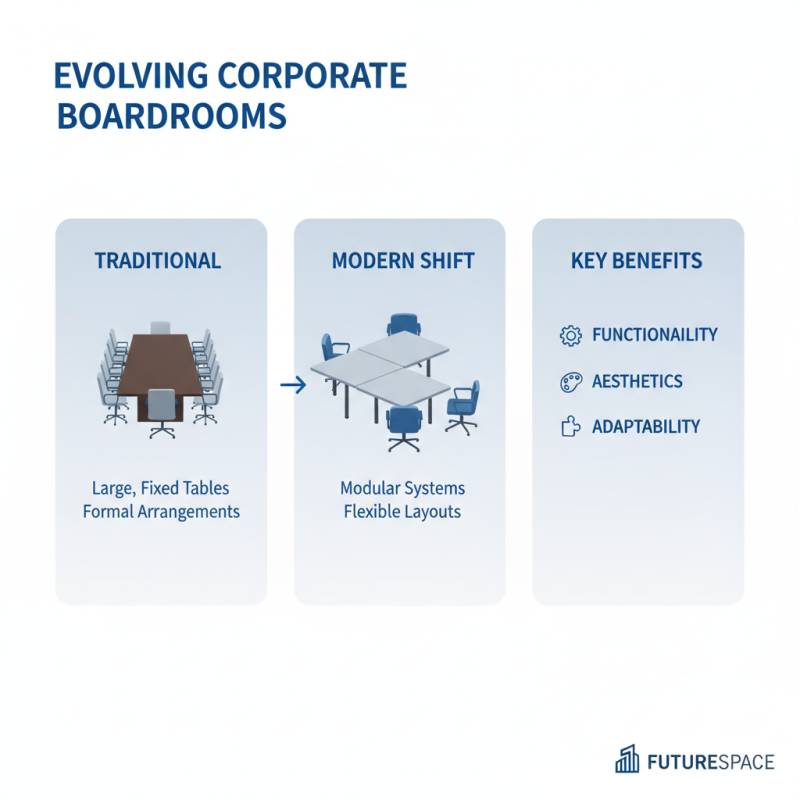
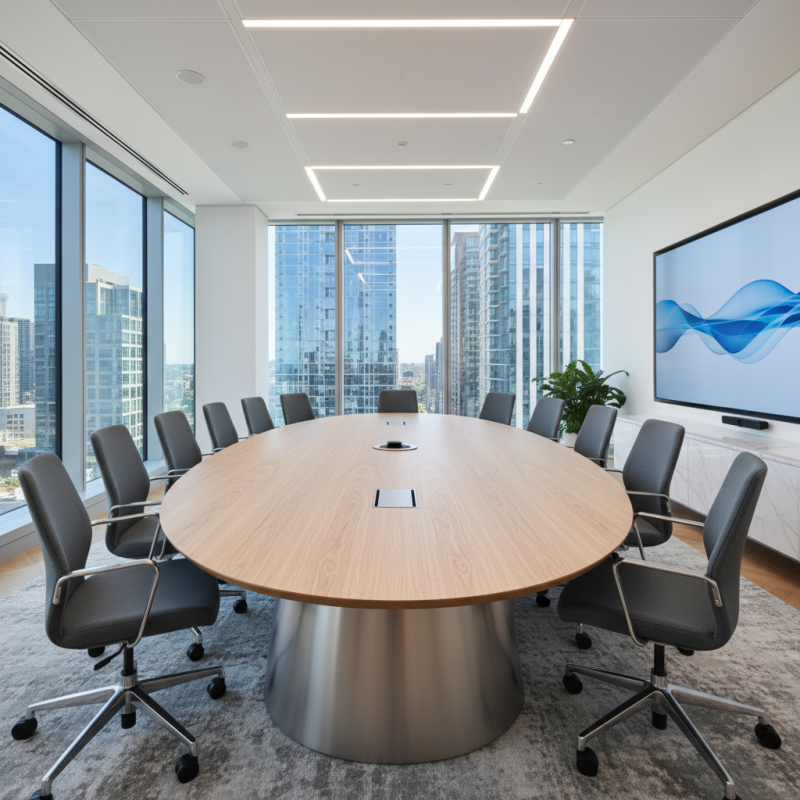
Modern corporate spaces are evolving rapidly, influenced by contemporary design trends. Boardroom furniture reflects this shift, focusing on functionality and aesthetics. Large, rectangular conference tables are being complemented by modular systems. These modular designs allow for flexibility and adaptability in meeting arrangements.
Color schemes in boardroom furniture also play a significant role. Neutral tones like gray and beige are popular, but bolder colors are emerging. A striking blue or a deep green can energize a space. Textured materials like wood, metal, and fabric bring warmth and sophistication. However, the challenge lies in balancing style with comfort.
Lighting is another critical aspect. Natural light enhances the space, but artificial lighting needs attention too. Oversized pendant lights or sleek LED fixtures can make a statement. Yet, it's easy to overlook how lighting affects mood. Poor choices can lead to a stale atmosphere. Thus, while trends guide design, there is much to consider for creating inviting boardroom spaces.
Essential Features of Modern Boardroom Tables
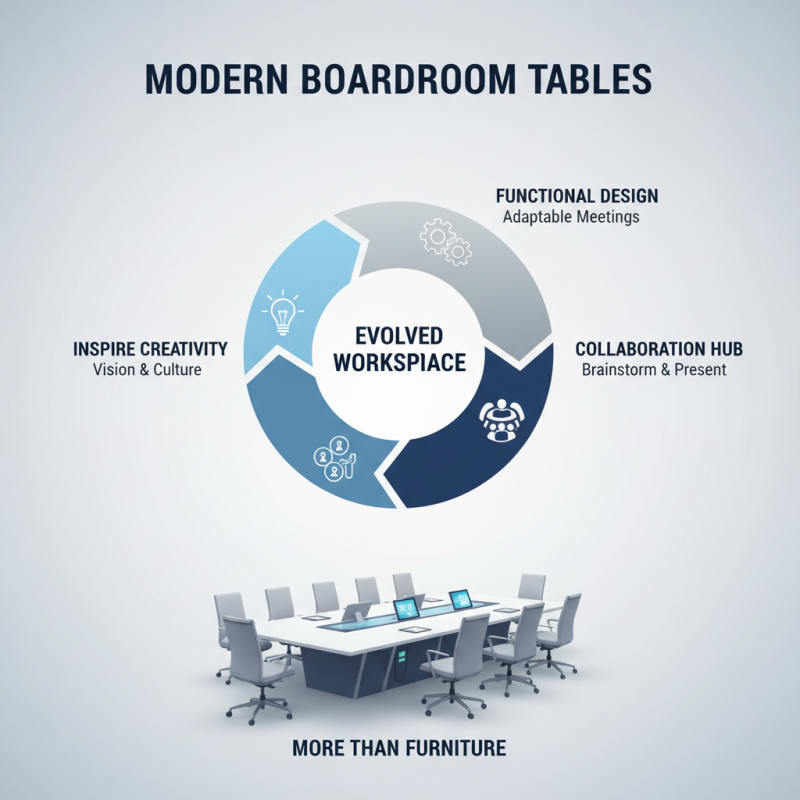
Modern boardroom tables are more than just functional furniture. They embody the company’s vision and culture. A sleek design can inspire creativity. However, functionality is paramount. The table should accommodate various meeting styles, from brainstorming sessions to formal presentations.
Material choices matter. Wood provides warmth and elegance, while glass offers a sleek and modern look. But each has its drawbacks. Wood can be heavy and expensive to maintain. Glass is often fragile and can lead to distractions. Proper dimensions are critical. A table too large can give a sense of isolation. Conversely, a small table might feel cramped in a spacious room.
Technology integration is essential in today’s corporate spaces. Built-in charging ports and cable management systems are now expected. Yet, many tables neglect these features. Meeting participants may find themselves struggling with cords. Consider the color scheme and visual appeal. The table should complement the overall interior design. It should invite collaboration while fostering a professional atmosphere. These details define the boardroom's effectiveness and the company's image.
Popular Materials Used in Boardroom Furniture Design
Modern corporate spaces demand furniture that blends style and function. Boardroom furniture design is crucial as it influences meetings and teamwork. Popular materials for these pieces include wood, glass, and metal. Each offers different aesthetics and utility.
Wood is favored for warmth and durability. It creates a welcoming atmosphere. Statistics show that 65% of boardrooms use wooden tables. However, wood can come with maintenance challenges. It can scratch or warp, requiring regular care. On the other hand, glass provides a sleek, contemporary look. It symbolizes transparency and openness. Around 25% of companies opt for glass tables. Yet, glass can be prone to fingerprints and requires frequent cleaning.
Metal is another common choice. It’s robust and often used alongside wood or glass. Many companies appreciate its modern edge. Reports indicate a growing trend toward metal in boardroom furniture. However, metal can feel cold and uninviting. Companies must consider this in their designs. Balancing style with comfort is an ongoing challenge. Modern boardroom furniture should cater to both aesthetic desires and practical needs.
Color Schemes and Finishes for Corporate Spaces
Choosing the right color schemes and finishes can transform corporate spaces. Neutral tones, like gray and beige, create a calm environment. These colors are easy to combine with brighter accents. Shades of blue are popular for promoting focus and trust. A splash of vibrant color can energize a boardroom. Consider deep greens or rich burgundies for a touch of elegance.
Finishes play a critical role in setting the mood. Matte surfaces can add sophistication, while glossy options reflect light and create an airy feel. Textured finishes, like wood or stone, can bring warmth to an otherwise sterile setting. Reflect on how different materials interact with natural light. Glass elements can enhance space but may require more maintenance.
Color and finish choices should resonate with brand identity. A mismatch can create confusion. Always contemplate how the space will be used. Will it be for meetings, brainstorming, or presentations? Each function may demand a different atmosphere. This is a delicate balance of aesthetics and practicality.
Ergonomic Considerations in Boardroom Seating Choices
In today's corporate world, ergonomic design in boardroom seating is crucial. Comfortable seating encourages productivity and focus during important meetings. Poor seating can lead to discomfort and distraction. It's essential to choose chairs that support good posture and allow for movement.
When selecting boardroom chairs, consider adjustable features. Armrests, seat height, and back support should be customizable. This ensures that different body types can find a comfortable position. Some options include lumbar support, which is vital for long hours of sitting. Pay attention to materials, too. Breathable fabrics enhance comfort, especially in warmer environments.
Tip: Test chairs before purchase. Sitting in them can reveal support levels not visible at first glance. Look for chairs that allow easy mobility. This promotes collaboration and communication. Reflect on the importance of aesthetic design as well. A visually appealing boardroom can enhance the overall atmosphere, but functionality should never be compromised.
Top Boardroom Furniture Styles for Modern Corporate Spaces
| Furniture Style |
Material |
Ergonomic Features |
Color Options |
Price Range |
| Modern Conference Table |
Wood/Glass |
Adjustable Height |
Black, White, Oak |
$800 - $2000 |
| Executive Leather Chairs |
Leather |
Lumbar Support |
Black, Brown |
$300 - $800 |
| Collaborative Workstations |
Recycled Materials |
Height Adjustable |
Green, Blue |
$500 - $1500 |
| Mesh Task Chairs |
Mesh/Fabric |
Breathable Backrest |
Various |
$150 - $400 |
| Round Meeting Tables |
Wood/Composite |
Ergonomic Design |
Natural, Dark Stain |
$600 - $1800 |