How to Choose the Best Work Office Furniture for Your Space
When it comes to creating an efficient and aesthetically pleasing work environment, the choice of work office furniture plays a crucial role. According to a report by the International Interior Design Association, well-designed office spaces can boost employee productivity by up to 20%. As organizations strive to attract and retain top talent, investing in the right office furniture has become paramount, with companies averaging about 10% of their total budget on furnishings alone. This expenditure underscores the importance of selecting furniture that not only meets functional needs but also contributes to employee well-being and comfort.
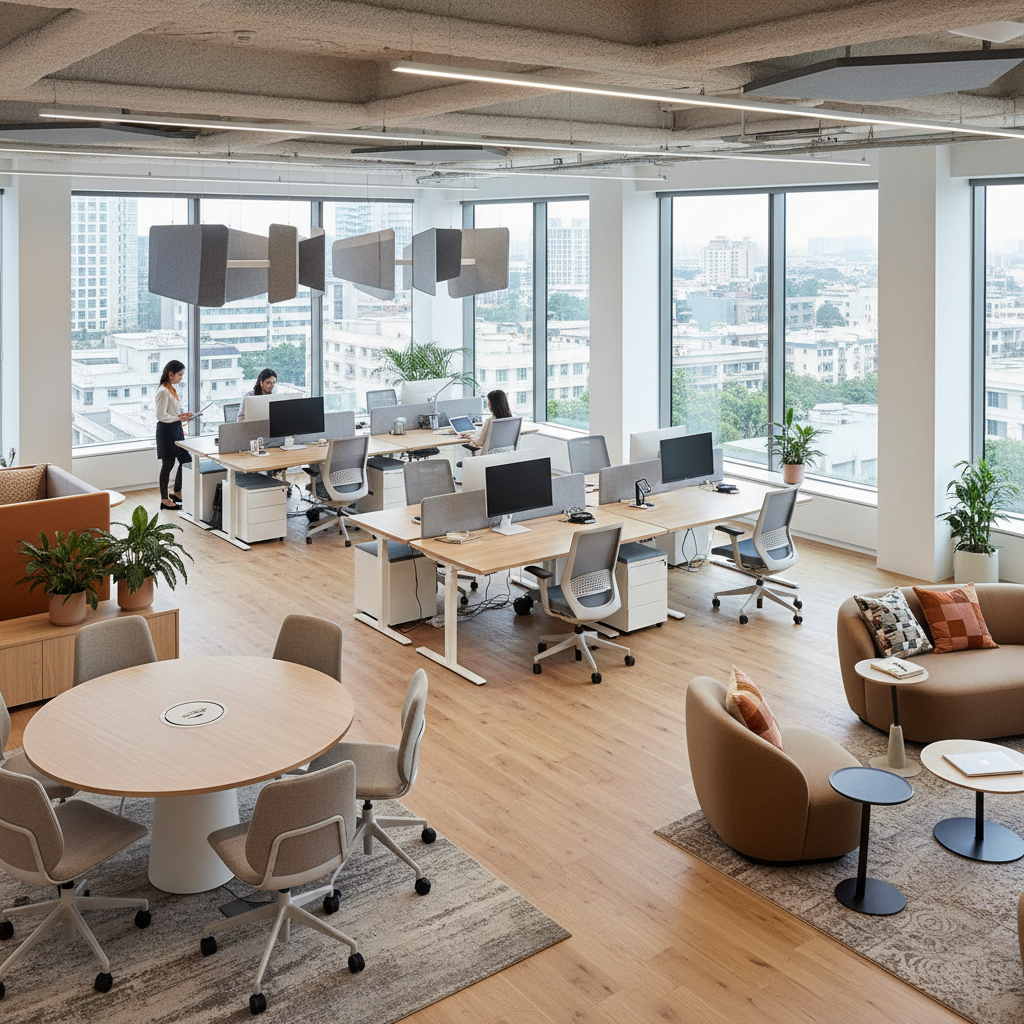
The landscape of work office furniture has evolved significantly in recent years, driven by trends such as remote work and flexible office layouts. A study from the Global Workplace Analytics indicates that 30% of the workforce will be working remotely by the end of 2024, prompting businesses to rethink their spatial arrangements and furniture needs. Consequently, choosing the appropriate work office furniture has a lasting impact on collaboration, creativity, and overall workplace happiness. By understanding current market trends and employee needs, businesses can strategically select furnishings that enhance their work environment and support their organizational goals.
Evaluating Your Space: Key Measurements for Office Furniture Selection

When selecting office furniture, the first step is to evaluate your space accurately. Take precise measurements of the room, including the length, width, and height, to ensure that the furniture you choose will fit comfortably. Pay attention to the layout of doors, windows, and electrical outlets, as these factors can affect the positioning of your desk and other furniture pieces.
Tip: When measuring, leave enough room for movement and accessibility. A good rule of thumb is to allow at least three feet of space around desks and chairs to enable easy navigation in the office.
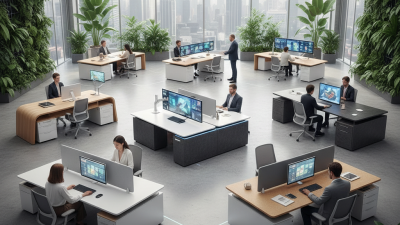
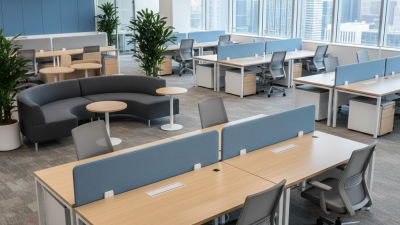
Additionally, consider the type of work that will take place in the office. If your team requires collaboration, you might want to choose furniture that allows for group work, such as modular desks or collaborative tables. Measuring the area needed for these activities is crucial to ensure a functional workspace.
Tip: Use graph paper or design software to create a floor plan, incorporating your measurements. This visualization can help you determine the best layout and see how different furniture options will fit into the designated space.
Understanding Ergonomics: Choosing Comfort and Support in Office Chairs
When selecting office chairs, understanding ergonomics is crucial for maximizing comfort and support during long work hours. An ergonomic chair is designed to promote good posture, reducing the stress on your back and neck. Look for features such as adjustable seat height, lumbar support, and the ability to recline slightly. These elements allow you to customize the chair to fit your body's unique contours, thus preventing discomfort and potential injuries.
Additionally, consider the material of the chair. Breathable fabrics and memory foam cushioning can enhance your seating experience by providing adequate support while minimizing heat buildup. Armrests should also be adjustable to ensure your arms are supported without causing strain on your shoulders. Investing in an ergonomic chair not only boosts productivity but also contributes to your overall well-being, making it a vital component in choosing the best office furniture for your workspace.
Office Chair Ergonomics: Comfort and Support Ratings
Aesthetic Matters: Aligning Office Furniture with Your Brand Identity
When selecting office furniture, aligning aesthetics with brand identity is crucial. According to a report by the International Facility Management Association (IFMA), 90% of employees believe that their office environment significantly impacts their performance and satisfaction. This underscores the importance of choosing furniture that reflects the company's values and inspires productivity. A well-designed workspace can enhance employee morale and, in turn, boost retention rates.
Research from the Steelcase Global Report indicates that 70% of employees claim that a positive workplace experience is linked to the design of their surroundings. For companies looking to create a cohesive identity, furniture should not only be functional but also resonate with brand colors, materials, and overall aesthetics. By integrating elements that reflect the brand, businesses can foster a sense of belonging and motivate their team, ultimately leading to improved business outcomes.
How to Choose the Best Work Office Furniture for Your Space
| Furniture Type |
Material |
Color Options |
Ergonomic Features |
Brand Alignment |
| Office Desk |
Wood, Metal |
Natural, White, Black |
Height Adjustable |
Modern, Minimalist |
| Office Chair |
Mesh, Leather |
Black, Gray, Red |
Lumbar Support, Adjustable Arms |
Comfort, Professional |
| Meeting Table |
Wood, Glass |
Oak, Walnut, Clear |
Spacious Design |
Collaborative, Open |
| Storage Cabinet |
Metal, Wood |
Beige, Black, Grey |
Lockable, Adjustable Shelves |
Organized, Sleek |
Material Choices: Balancing Durability and Style in Office Furniture
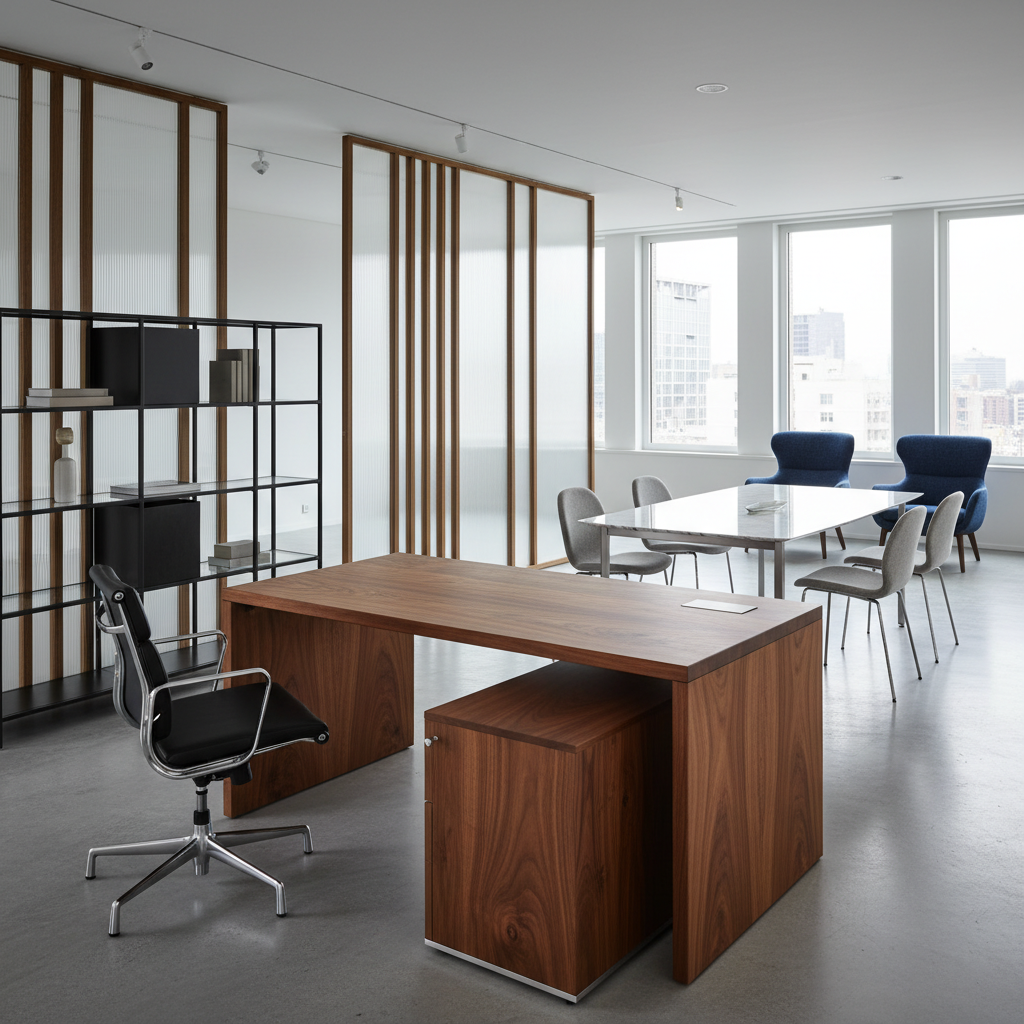
When selecting office furniture, the choice of materials plays a critical role in striking the right balance between durability and style. High-quality materials can significantly impact the overall appearance and longevity of the furniture. For instance, solid wood desks exude a timeless elegance and provide sturdiness that can withstand years of use. Conversely, metal finishes can offer a modern and sleek aesthetic while ensuring resilience, making them suitable for high-traffic office environments.
Additionally, considering materials like laminate or engineered wood can provide an attractive and cost-effective alternative without compromising on style. These materials are often easier to maintain, can mimic the look of more expensive woods, and are resistant to scratches and spills. It's essential to evaluate the specific needs of your workspace—such as aesthetic preferences, foot traffic, and budget constraints—when choosing materials. This thoughtful consideration will ensure that your office furniture not only complements your design vision but also stands the test of time.
Budgeting Wisely: Investing in Quality vs. Cost-Effective Options
When it comes to selecting office furniture, budgeting wisely is crucial. Investing in quality pieces can often be more beneficial in the long run compared to merely opting for the lowest-cost options. High-quality furniture typically offers enhanced durability, ergonomic design, and timeless aesthetics, which can significantly boost employee productivity and morale. For example, a well-designed office chair can prevent health issues associated with long hours of sitting, ultimately reducing potential medical expenses for both employers and employees.
On the other hand, cost-effective options can also have their place, especially for startups or businesses with limited budgets. However, it’s essential to consider the trade-offs in terms of longevity and comfort. While cheaper furniture may fit the budget initially, they often require more frequent replacement, which can lead to higher costs over time. Therefore, when choosing office furniture, striking the right balance between quality and cost is key. Making informed choices based on your specific needs and the long-term benefits of quality investment will create a more conducive work environment without breaking the bank.