How to Choose the Best Private Office Furniture for Your Workspace
When it comes to creating a productive and inspiring workspace, choosing the right private office furniture is essential. As workspace design expert, Johnathan Steele, aptly stated, "The right furniture not only enhances the aesthetic appeal of an office but also significantly boosts employee productivity and well-being." With the ever-increasing emphasis on remote work and the necessity for dedicated workspaces, selecting quality furniture tailored to your specific needs has never been more important.
The landscape of private office furniture has evolved dramatically in recent years, focusing on functionality, comfort, and style. Gone are the days of standard, one-size-fits-all solutions; today’s office furnishings are designed to cater to individual preferences and work styles. From ergonomic chairs that support long hours at the desk to modular desks that promote collaboration, the choices can be overwhelming. This article aims to guide you through the process of selecting the best private office furniture for your workspace, ensuring you create an environment that fosters creativity, focus, and success.
Understanding the Importance of Private Office Furniture
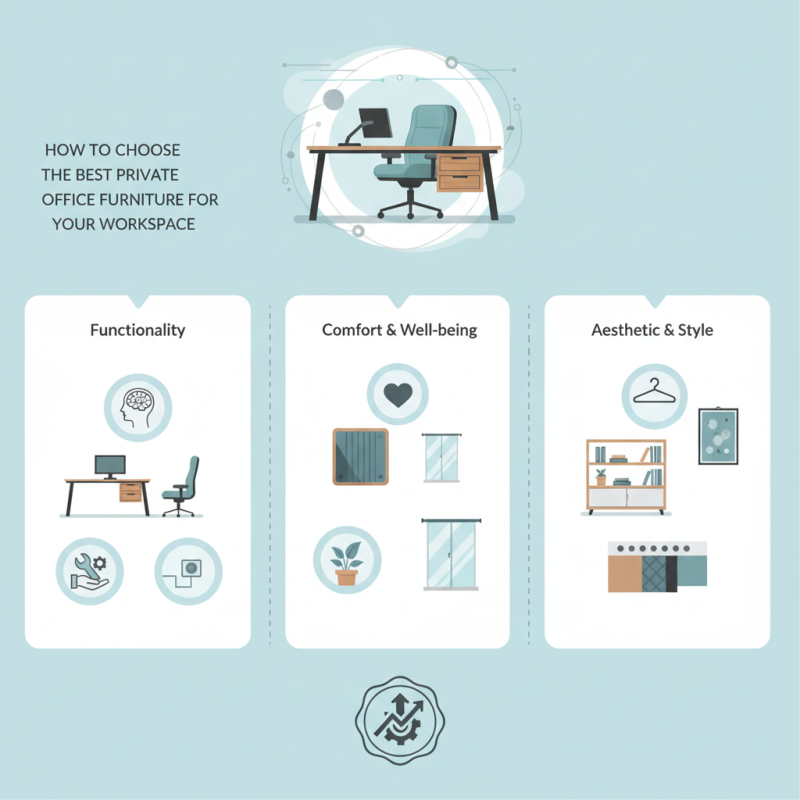
Private office furniture plays a crucial role in shaping the dynamics of a workspace. It goes beyond just aesthetics; the right furniture can enhance productivity, promote comfort, and facilitate effective communication within a team. When selecting furniture for private offices, one must consider how various pieces contribute to the overall functionality of the space. Ergonomic chairs and desks, for example, not only support physical well-being but also encourage longer periods of focused work, ultimately leading to increased efficiency.
Moreover, the design and layout of private office furniture significantly impact the mood and atmosphere of the workspace. Thoughtfully chosen furniture can create an inviting environment that fosters creativity and collaboration. For instance, incorporating collaborative seating options can encourage spontaneous discussions and brainstorming sessions, while personal storage solutions help maintain a clutter-free area. By understanding the importance of private office furniture, organizations can make informed choices that enhance employee satisfaction and, consequently, business performance.
Assessing Your Space: Dimensions and Layout Considerations
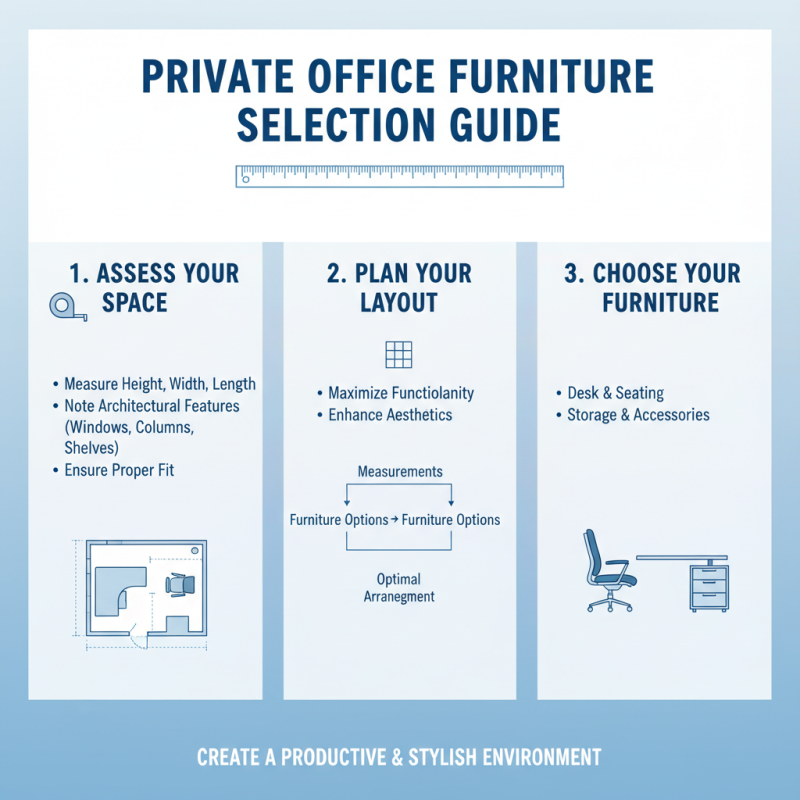
When selecting private office furniture, assessing your workspace's dimensions and layout is crucial. Start by measuring the overall area of your office, taking note of the height, width, and length of the room. Consider any architectural features such as windows, columns, or built-in shelves that could impact your furniture choices. Accurate measurements will ensure that the selected furniture fits well within the space, promoting a functional and aesthetically pleasing environment.
Next, evaluate the flow of the layout. Think about how you move within the space and how often you'll need to interact with colleagues or clients. The arrangement of desks, chairs, and storage should facilitate easy movement and access, which is vital for maintaining productivity. Additionally, consider the type of work being done in the office. If collaboration is essential, you might want to opt for modular or flexible furniture that can be rearranged as needed. Conversely, if privacy and concentration are the priorities, designating specific areas with appropriate furniture can help create distinct zones within the workspace.
Key Features to Look for in Private Office Furniture
When selecting private office furniture, several key features can significantly influence productivity and comfort. Firstly, ergonomics should be at the forefront of your decision-making process. According to the World Health Organization, an estimated 60% of office workers suffer from musculoskeletal disorders due to improper seating and desk setup. Investing in furniture that promotes ergonomic health can help mitigate these issues. Look for adjustable chairs that support posture, as well as desks that allow for both sitting and standing options.
Another critical aspect is flexibility and modularity. As workspaces evolve, having furniture that can adapt to different layouts is essential. A report from the International Workplace Group highlights that 70% of professionals believe flexible office designs enhance productivity. Choose desks and partitions that can be easily rearranged to foster collaboration or provide privacy as needed.
Tips for selecting the right private office furniture include prioritizing quality materials that can withstand daily use, and considering color schemes that enhance focus and creativity. Additionally, ensure that storage solutions are integrated into your workspace to maintain organization while minimizing clutter. By focusing on these key features, you can create an efficient and comfortable workspace that supports both individual and team productivity.
How to Choose the Best Private Office Furniture for Your Workspace
This bar chart illustrates the importance of key features to consider when selecting private office furniture. Ergonomics stands out as the most important factor, followed closely by design and functionality, indicating a strong emphasis on user comfort and aesthetics in workspace settings.
Choosing the Right Materials and Aesthetics for Your Workspace
When selecting private office furniture, it's essential to consider the materials and aesthetics that align with your workspace's vision and function. The choice of materials not only affects the durability and comfort of the furniture but also contributes to the overall ambiance of the office environment. For instance, wood offers a classic, warm appearance that can create a welcoming atmosphere, while metal or glass can provide a sleek, modern look. Incorporating mixed materials can also add visual interest and reflect your brand's personality.
Aesthetics play a crucial role in enhancing productivity and employee well-being. The color palette of your office furniture should complement the overall theme of your workspace, as colors can significantly influence mood and focus. Neutral tones can promote a sense of calm, while pops of bright colors can inspire creativity. Additionally, ensuring that the design of your furniture fosters collaboration and communication is vital. Open layouts with adaptable furniture arrangements encourage teamwork and innovation, making it imperative to balance style with functionality in your choices.
How to Choose the Best Private Office Furniture for Your Workspace
| Furniture Type |
Material Options |
Style/Aesthetic |
Functionality |
Budget Range |
| Office Desks |
Wood, Metal, Laminate |
Modern, Traditional, Minimalist |
Adjustable Height, L-Shaped, Corner |
$200 - $2000 |
| Chairs |
Leather, Fabric, Mesh |
Ergonomic, Executive, Guest |
Swivel, Recline, Height Adjustable |
$100 - $1500 |
| Storage Solutions |
Wood, Metal, Glass |
Contemporary, Classic, Rustic |
Filing Cabinets, Bookshelves, Lockers |
$150 - $1000 |
| Meeting Rooms Furniture |
Wood, Glass, Metal |
Modern, Classic, Collaborative |
Conference Tables, Modular Setup |
$300 - $5000 |
| Soft Seating |
Fabric, Leather, Foam |
Lounge, Contemporary, Chic |
Casual Seating, Collaborative Areas |
$200 - $3000 |
Budgeting for Quality: Balancing Cost and Durability in Furniture Selection
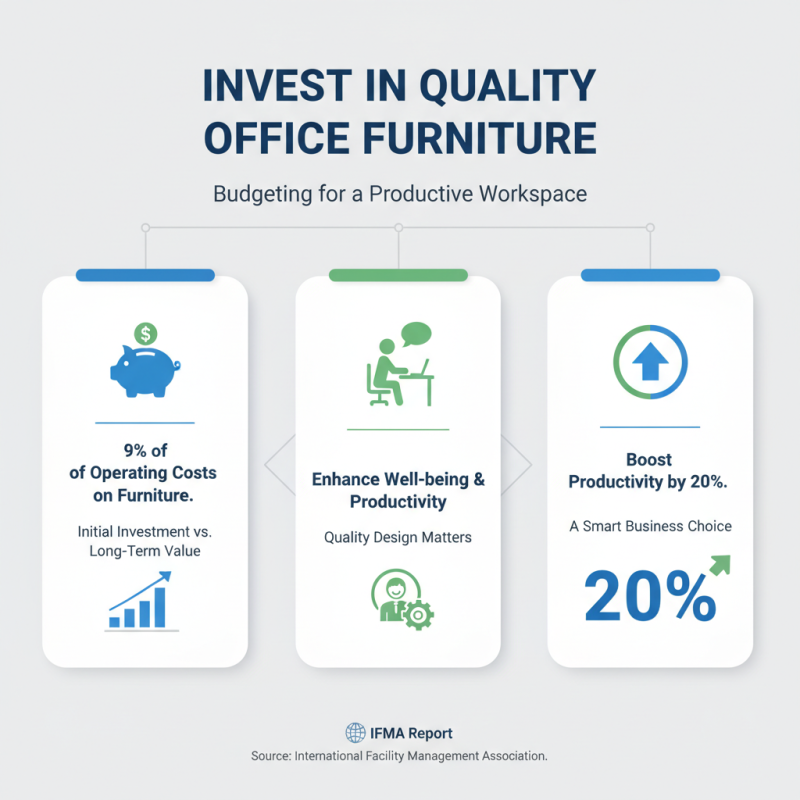
When selecting private office furniture, budgeting for quality is a critical aspect that can significantly impact the overall work environment. According to a report by the International Facility Management Association (IFMA), businesses spend approximately 9% of their total operating costs on furniture and office expenses. It is essential to weigh the initial investment against long-term durability and functionality. High-quality furniture not only enhances the aesthetics of a workspace but also contributes to employee well-being and productivity. Research shows that well-designed office furniture can improve productivity by as much as 20%, making it worthwhile to consider spending a bit more for a better product.
Furthermore, understanding the lifecycle cost of furniture is vital. The National Institute of Building Sciences reports that quality office furniture can last up to 10-15 years, while cheaper options might need replacement within 3-5 years. This presents a compelling case for investing in durable furniture that stands the test of time. While it may seem attractive to choose lower-cost options initially, the long-term costs associated with frequent replacements and increased maintenance can quickly add up, leading to greater expenses in the future. Prioritizing durable and ergonomic furniture can ultimately lead to significant cost savings and higher employee satisfaction over time.