
Choosing the right Sandwich Box can influence product quality, customer satisfaction, and daily operating costs. It is not merely a packaging decision. A box must protect the sandwich during storage, delivery, and display.
In a busy café, staff may pack hundreds of sandwiches before lunchtime. A weak box can collapse under stacked orders. Poor ventilation may leave bread damp, while excessive airflow can dry fresh fillings. The right material, size, closure, and grease resistance should match the menu. A toasted panini needs different protection from a chilled salad sandwich. Small details matter.
Fit matters most.
This guide examines practical factors businesses should assess before purchasing. These include food-contact suitability, durability, presentation, storage efficiency, and environmental claims. Reliable suppliers should provide clear product specifications and consistent quality records. Businesses should also check relevant local food-packaging requirements before placing large orders. A box that looks sustainable may still perform badly if its coating prevents proper recycling. That point is easy to overlook.
Real-world testing is valuable. Pack sample sandwiches, stack filled boxes, and leave them for several hours. Test them in a refrigerator and during delivery movement. Ask staff whether the box is quick to assemble with clean hands. Customer feedback can reveal problems that product brochures miss. No package is perfect. A premium design may cost more, use more storage space, or frustrate busy employees. Careful comparison helps balance protection, branding, convenience, and budget without relying on attractive claims alone.
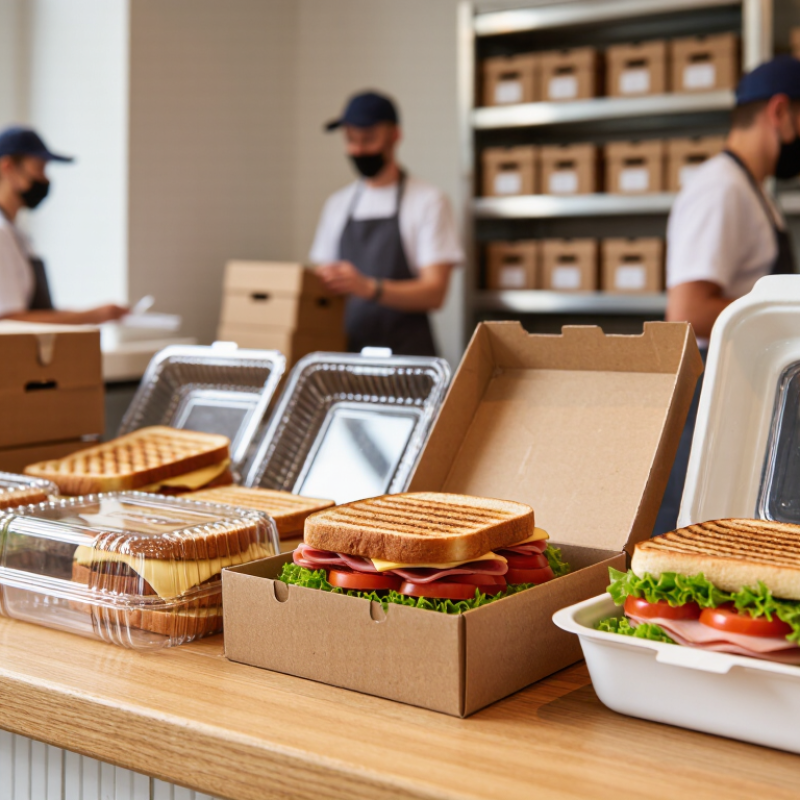
Choosing the best sandwich box starts with understanding how your business actually serves food. A café selling toasted sandwiches needs heat retention and ventilation. A deli offering fresh fillings needs moisture control and clear product visibility. Fit matters. An oversized box allows movement, while a tight box can crush bread and toppings.
The 2023 PMMI Packaging Compass identifies sustainability, convenience, and automation as major packaging priorities. These trends affect even small food businesses. The box should match your production speed, storage space, delivery distance, and refrigeration process. According to the U.S. Environmental Protection Agency’s latest packaging data, containers and packaging generated 82.2 million tons of municipal solid waste in 2018. This figure makes material selection more than a design choice. Paperboard may support a recyclable system, but only when coatings and food contamination do not prevent recovery. That detail is often overlooked.
Measure your largest sandwich first. Record its height after wrapping, including sauces and leafy fillings. Then test three conditions: five-minute counter service, thirty-minute delivery, and chilled storage. Check for sogginess, oil stains, lid collapse, and label adhesion. Test it properly. A clear window can improve product appeal, yet it may weaken recyclability or raise costs. Smithers’ market analysis continues to show strong growth in sustainable packaging demand, but sustainability claims need supplier documentation and local recycling guidance. I would not choose a box from appearance alone. My first trial once ignored ventilation, and warm bread quickly became damp. That was a useful mistake.

Understanding your business’s sandwich packaging needs starts with selecting an interior size that protects the product without using unnecessary material.
These typical interior dimensions are practical starting points for packaging trials: compact boxes suit standard sandwiches, medium boxes allow space for layered or club sandwiches, and long boxes are designed for baguette-style products. Always confirm the final size with your actual sandwich height, fillings, closure method, and delivery conditions.
Choosing a sandwich box starts with the food, not the logo. From packing lunch orders, I have seen moisture ruin crisp bread within minutes. Kraft paperboard feels professional and suits dry sandwiches. However, it may soften around sauces or fresh vegetables. Coated paperboard handles grease better, but some coatings complicate recycling. Molded fiber offers a sturdy, natural appearance and good breathability. Clear plastic shows the product clearly, though it may create condensation and reduce environmental appeal.
Size affects both protection and cost. A box should hold the sandwich firmly without crushing its edges. Measure the longest sandwich, then allow space for fillings and wrapping. Tall boxes suit stacked or loaded sandwiches. Slim boxes work better for simple deli cuts. Oversized packaging wastes storage space and encourages movement during delivery. I once selected a box that looked attractive but was too shallow. The filling pressed against the lid. That mistake changed our testing process.
Design details influence daily efficiency. Lock tabs can close quickly without tape. A small ventilation feature may protect warm bread from becoming soggy. A window helps customers inspect the filling, but it can weaken the lid if poorly placed. Check stacking strength, opening speed, and label adhesion before ordering. Request food-contact documentation, temperature guidance, and material specifications from the supplier. Test filled boxes during actual delivery conditions, not only on a clean worktable. Real handling reveals problems. A neat design is not always a practical one.
How to Choose the Best Sandwich Box for Your Business?
A sandwich box should protect food from heat, moisture, pressure, and handling. Food safety starts with food-grade materials and clean manufacturing conditions. Choose packaging designed for direct food contact. Check supplier documents, including material specifications and safety testing. Do not rely on appearance alone. A strong-looking box may still transfer odors or weaken when exposed to moisture.
Freshness depends on airflow and closure. A tight seal can reduce contamination, but it may trap condensation around lettuce and bread. Small ventilation features can help, depending on the recipe. Test the box with a real sandwich for several hours. Check the bread, filling, and inner surface afterward. This practical test often reveals problems that product samples hide. I have found that one box rarely suits every sandwich size.
Tips: Match the box depth to the filling height. Use a stable base for soft bread. Keep sauces in separate portions when possible. Choose clear panels only when they resist scratching and fogging. Press the lid gently before delivery. If it opens too easily, protection may be poor. If it closes too tightly, delicate fillings can shift. Review customer feedback regularly, because packaging performance can change during busy service.
| Box Material / Format | Food Safety Considerations | Moisture and Grease Resistance | Freshness and Ventilation | Product Protection | Typical Recyclability | Best-Suited Use |
|---|---|---|---|---|---|---|
| Coated SBS Paperboard Folded carton with a food-contact coating | Good Suitable when the board, inks, adhesives, and coating are approved for the intended food-contact application. Use a grease-resistant inner coating for oily fillings. | Good Commonly handles light condensation and moderate grease; performance depends on coating type and sealing quality. | Good Can be die-cut with vents to reduce condensation while retaining a clean presentation. | Moderate Provides a rigid base and reasonable crush resistance, but may deform when exposed to high moisture. | Often recyclable Usually recyclable where paperboard recycling accepts the specific coating; plastic-laminated formats may require separate handling. | Retail takeaway sandwiches, cafés, catering orders, and premium printed packaging. |
| Corrugated Fiberboard Micro-flute or e-flute sandwich box | Good Use food-contact-grade liners, coatings, and adhesives. The box should prevent direct contact with non-approved printing surfaces. | Moderate Better structural performance than flat paperboard, but exposed fibers can absorb liquid and weaken over time. | Good Fluted construction allows useful rigidity and can accommodate ventilation openings. | Excellent Higher resistance to compression and impact makes it suitable for delivery bags and stacked orders. | Usually recyclable Generally accepted in paper recycling when clean, dry, and free from incompatible laminates. | Delivery, multi-sandwich orders, meal kits, and products requiring extra crush protection. |
| Molded Fiber / Bagasse Pressed plant-fiber container | Good Select products manufactured with food-contact-compliant fiber, additives, and coatings; confirm suitability for hot, wet, or oily foods. | Moderate Uncoated fiber absorbs moisture. Water- or grease-resistant coatings improve performance but may affect end-of-life recycling. | Good Breathable structure can help manage steam, although excessive ventilation may reduce moisture retention. | Good Strong shape retention and a protective profile, with some variation caused by fiber density and wall thickness. | Condition-dependent Fiber-based versions may be recyclable or compostable only where local facilities accept the exact material and coating. | Eco-focused takeaway programs, warm sandwiches, catering, and food-service applications. |
| Clear PET Clamshell Transparent hinged container | Good Use food-contact-grade PET and maintain clean packing procedures. Avoid using packaging outside its stated temperature limits. | Excellent Strong barrier against liquid leakage and grease; condensation may still form inside when warm food is sealed. | Moderate Excellent product visibility, but limited ventilation can accelerate sogginess unless vents or controlled cooling are provided. | Good Rigid walls protect the sandwich and reduce crushing during display and short-distance transport. | Often recyclable Commonly identified as PET, but acceptance depends on local collection and sorting infrastructure. | Chilled grab-and-go displays, convenience retail, supermarkets, and visual merchandising. |
| Reusable PP Container Rigid polypropylene box with lid | Excellent Choose food-contact-grade polypropylene and establish washing, drying, inspection, and replacement procedures for repeated use. | Excellent High resistance to moisture and grease; gasketed or snap-fit lids can improve spill control. | Moderate Airtight designs protect against leakage but can trap condensation; vented designs may preserve texture better. | Excellent Rigid walls and reusable hinges provide strong protection against crushing during transport. | Recyclable at end of life Polypropylene recycling availability varies by location; reuse efficiency depends on return and washing logistics. | Subscription meals, workplace catering, delivery-return programs, and high-volume operations. |
| Paperboard Window Box Paper carton with a transparent film panel | Good Confirm that the window film, inks, adhesives, and board meet applicable food-contact requirements. | Moderate The window is moisture-resistant, while exposed paperboard remains vulnerable to grease and condensation. | Good Product visibility supports quick inspection; ventilation can be added through side or top openings. | Moderate Provides adequate retail protection but is less resistant to heavy stacking than corrugated formats. | Condition-dependent A plastic window or bonded laminate may need to be removed or may prevent standard paper recycling. | Display-led retail, bakery counters, premium takeaway, and short holding periods. |
Note: Ratings are general performance guides based on common packaging constructions. Actual food-contact compliance, shelf life, temperature tolerance, leak resistance, and recyclability must be verified against the supplier’s specifications and the regulations and waste infrastructure in the intended market.
How to Choose the Best Sandwich Box for Your Business?
Choosing a sandwich box is not simply a packaging decision. It shapes waste, brand perception, and the customer’s eating experience. During packaging trials, I compare material strength, moisture resistance, and stacking performance. A recyclable fiber box may look responsible, but it can soften around fresh vegetables or sauces. Sustainability needs evidence. Ask suppliers about recycled content, coatings, disposal guidance, and food-contact documentation. Check whether claims match local requirements and realistic disposal facilities.
Branding should feel useful, not loud. A clear logo, consistent color, and readable product information can make a simple box recognizable. Keep the design practical. Leave enough space for labels, allergens, dates, and delivery notes. I have seen attractive packaging lose its appeal when ink smudged against condensation. Small failures matter. They make the product feel less controlled.
Customer experience begins before the first bite. The lid should close securely, open without tearing, and protect the sandwich during transport. A small viewing window can help customers identify fillings, but it may affect recyclability. That trade-off deserves testing, not guessing. I once preferred a lighter box because it reduced material use. It crushed too easily in crowded delivery bags. The better choice was slightly heavier, but more reliable. Businesses should test boxes with real sandwiches, real sauces, and real delivery conditions. Perfect results are unlikely. Careful adjustments are.
Choosing a supplier requires more than comparing the price per box. A cheap quote may hide weak seals, inconsistent sizing, or expensive delivery delays. Calculate the full cost, including storage, damaged stock, transport, and minimum order quantities. Ask for a written quotation with clear terms. Keep it simple.
Quality should be tested with real sandwiches, not only a catalog photo. Place a warm sandwich inside and check whether the box stays firm after thirty minutes. Test the lid, corners, printing, and resistance to grease. Confirm that the materials are suitable for food contact in your selling market. Request samples from the same production method used for larger orders. A beautiful sample may not represent every shipment.
Reliability depends on evidence. Ask about production capacity, lead times, inspection procedures, and backup plans for material shortages. A dependable supplier should provide consistent measurements and respond clearly when problems occur. Track sample results, delivery dates, and defect rates in a simple record. This creates useful proof during negotiations.
I would not choose a supplier based only on friendly communication. Communication matters, but performance matters more.
A small trial order can reveal weaknesses before they affect a busy lunch service. It may cost slightly more at first. That is often a reasonable trade-off.
Fast, modern and
At your fingertips
Tremain´s Blaze fast program
Was created for customers
That need product FAST!
Download catalog
Blaze Catalog