How to Choose the Best Conference Furniture for Your Event?
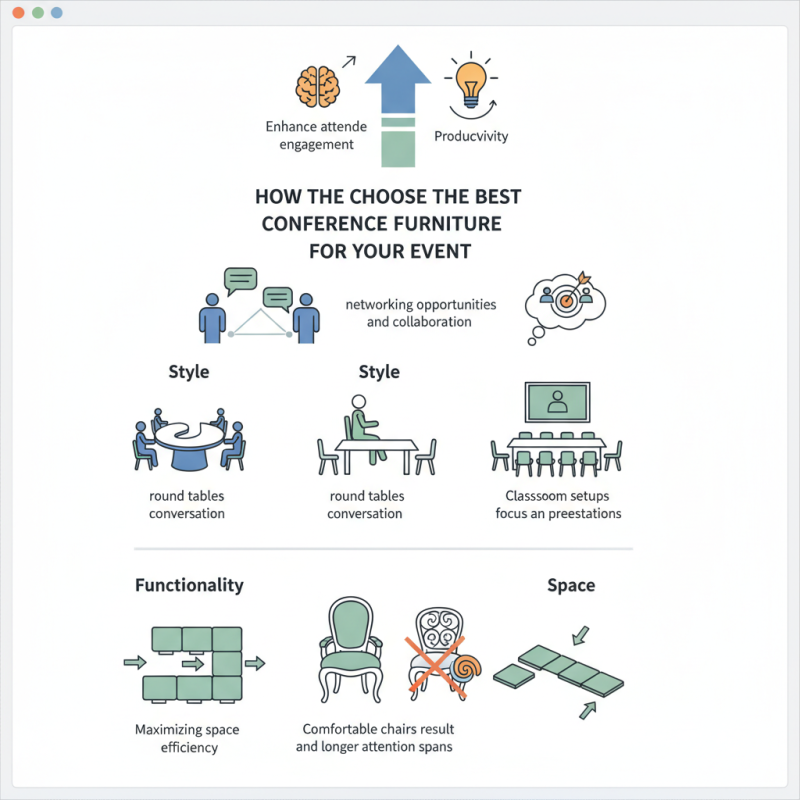
Choosing the right conference furniture is crucial for event success. According to a recent industry report, effective furniture selection can enhance attendee engagement by up to 40%. Conference furniture impacts comfort and productivity. The layout can influence networking opportunities and collaboration.
Considerations include style, functionality, and space. For example, round tables promote conversation, while classroom setups focus on presentations. The type of seating also matters. Comfortable chairs result in longer attention spans. However, striking the right balance can be challenging. Overly elaborate designs may distract from the main event.
Remember to reflect on your choices. Are you maximizing space efficiency? Is the furniture aligned with your event goals? Keep attendees' needs at the forefront. Thoughtful selection of conference furniture can transform a gathering into an impactful experience.
Understanding Your Event Requirements and Objectives
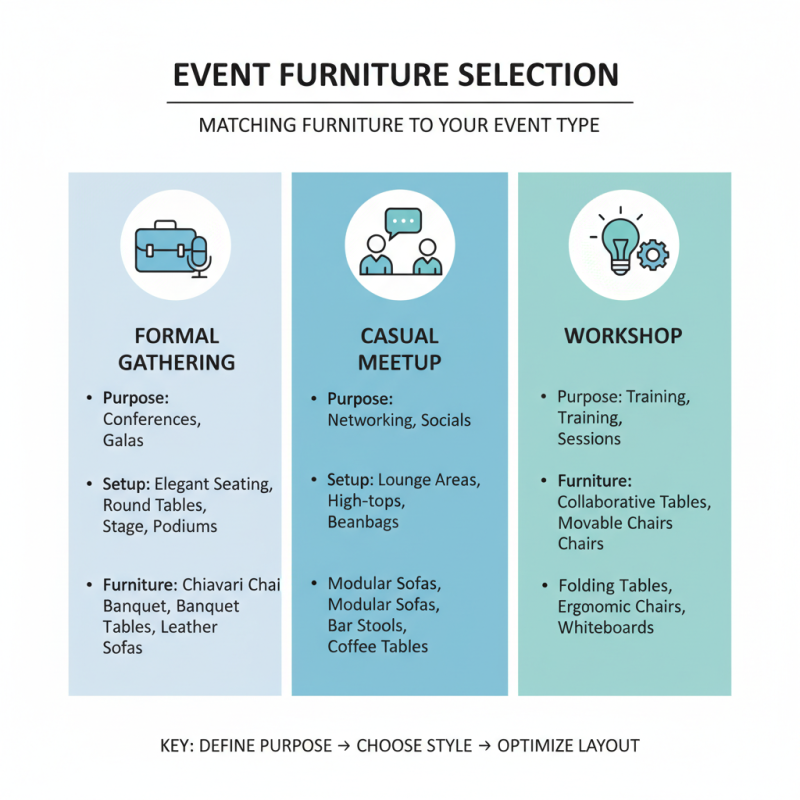
Choosing the right furniture for your event starts with a clear understanding of your requirements. Consider the purpose of your conference. Will it be a formal gathering, a casual meetup, or a workshop? Each type demands different furniture setups.
Next, think about the number of attendees. How much space do you need? A smaller group may require fewer tables and chairs, while a larger audience needs a more spacious design. Comfort is crucial. You want your guests to feel relaxed, but not every chair is designed for long sitting.
Also, consider the layout of the space. Are there any architectural features that could impact furniture placement? You might need to adjust your plan to accommodate pillars or windows. Lighting plays a role too. Natural light can enhance the ambiance. Be mindful of how it interacts with your furniture choices. Balancing all these factors can be challenging, but it ensures a successful event environment.
Identifying the Suitable Types of Conference Furniture
Choosing the right conference furniture is vital for event success. Comfort and functionality play a key role in that choice. According to a report by the International Association of Venue Managers, 75% of attendees rank seating comfort as a primary factor influencing their overall experience. When selecting chairs, consider ergonomic designs. They support long hours of sitting and keep participants engaged.
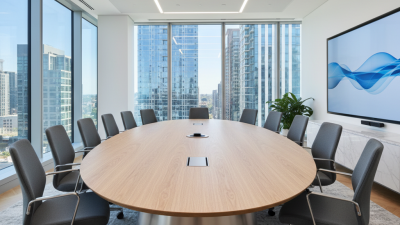
Next, think about table shapes. Rectangular and round tables serve different purposes. Rectangular tables promote focused discussions, while round ones foster collaboration. Data from event industry surveys show that round tables are preferred for networking events. They encourage interaction, making them ideal for workshops and meetings.
Lastly, don’t overlook versatility. Furniture that adapts to various settings enhances utility. Reports suggest that over 40% of event organizers seek multipurpose furniture. However, balancing versatility with style can be tricky. It's essential to reflect on how your choices affect the event's atmosphere. Keep in mind that aesthetics should not compromise function.
How to Choose the Best Conference Furniture for Your Event? - Identifying the Suitable Types of Conference Furniture
| Furniture Type |
Key Features |
Suitable For |
Considerations |
| Conference Tables |
Spacious, accommodates multiple attendees |
Team meetings, discussions |
Size, shape, and easy access to power outlets |
| Chairs |
Comfortable seating, adjustable options |
Workshops, presentations |
Ergonomics and style |
| Podiums |
Elevated, presentation-friendly |
Speeches, lectures |
Accessibility to visual aids |
| Whiteboards & Flip Charts |
Interactive, writable surface |
Brainstorming sessions, training |
Availability of markers and space |
| Lounge Seating |
Casual, comfortable |
Networking, informal discussions |
Layout for easy flow of conversation |
Evaluating Material and Comfort Considerations
When selecting conference furniture, material and comfort play crucial roles. Studies indicate that approximately 70% of attendees report productivity is directly influenced by their seating comfort. Soft, breathable fabrics are essential for long events. Hard surfaces can lead to discomfort, causing distractions. Choosing the right material is not just about aesthetics; it impacts functionality.
Consider ergonomics when evaluating furniture. Seating should support posture for hours of use. Moreover, 55% of surveyed participants indicated that poor seating arrangements negatively affect interaction. Look for adjustable features. These allow customization to fit different body types. This is vital to cater to a diverse audience.
Not all materials offer the same durability. For instance, upholstery quality can dictate not only comfort but also longevity. Chairs with high-density foam or lumbar support usually offer better experiences. Some may argue that aesthetics should take precedence, but practicality must not be overlooked. Balancing both aspects is an ongoing challenge in event planning.
Determining Budget Constraints and Rental Options
Determining budget constraints is crucial when planning for conference furniture. According to a recent industry report, venues often allocate 30% of their total budget to furniture rentals. This emphasizes the need for careful planning. When costs mount, finding the right balance can become challenging.
Many event planners overlook hidden costs. Delivery fees, setup charges, and insurance can quickly increase overall expenses. A detailed breakdown can help avoid surprises. Often, planners miss out on bulk rental discounts. Research indicates that rental companies may offer lower rates for larger orders. This can benefit organizations hosting multiple events.
Exploring diverse rental options is essential. Furniture types vary widely, affecting both comfort and costs. A mix of lounge seating and traditional chairs can enhance the guest experience. Especially for long events, comfort should never be compromised. However, this may lead to higher expenses. Many planners struggle to find the right combination of style and budget. Prioritizing key elements is important. Ultimately, knowing your budget can guide better furniture choices.
Planning for Space Layout and Traffic Flow
When planning a conference, space layout and traffic flow are crucial. A well-designed layout directs attendees smoothly. Consider the main entrances and exits. Place high-traffic areas away from quiet zones. For instance, refreshment stations should not bottleneck near presentation spaces. A clear path ensures guests can navigate easily.
Incorporating different furniture styles changes the dynamics of the event. Round tables encourage conversation, while rectangular ones may suit presentations better. However, mismatched styles can confuse the theme and create discomfort. Ensure the seating accommodates various group sizes. It’s also important to reflect on potential obstacles. Is there enough space between seating? Can attendees move freely?
Creating zone areas helps manage attendee flow. You might designate spaces for networking, relaxation, or focused discussions. But remember, too many designated areas can overwhelm guests. Strike a balance. Get feedback from previous events. What worked? What didn't? Reflecting on these aspects will lead to a more successful event.