How to Choose the Best Office Solutions for Your Business?
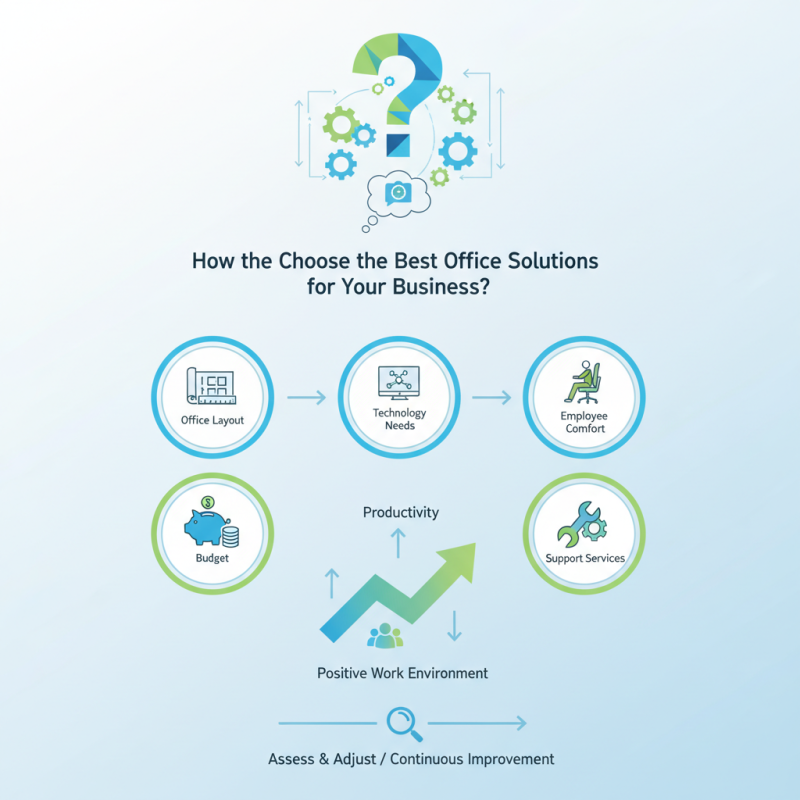
Choosing the best office solutions for your business can be challenging. The right solutions enhance productivity and foster a positive work environment. Many factors influence this decision: size, team needs, and budget.
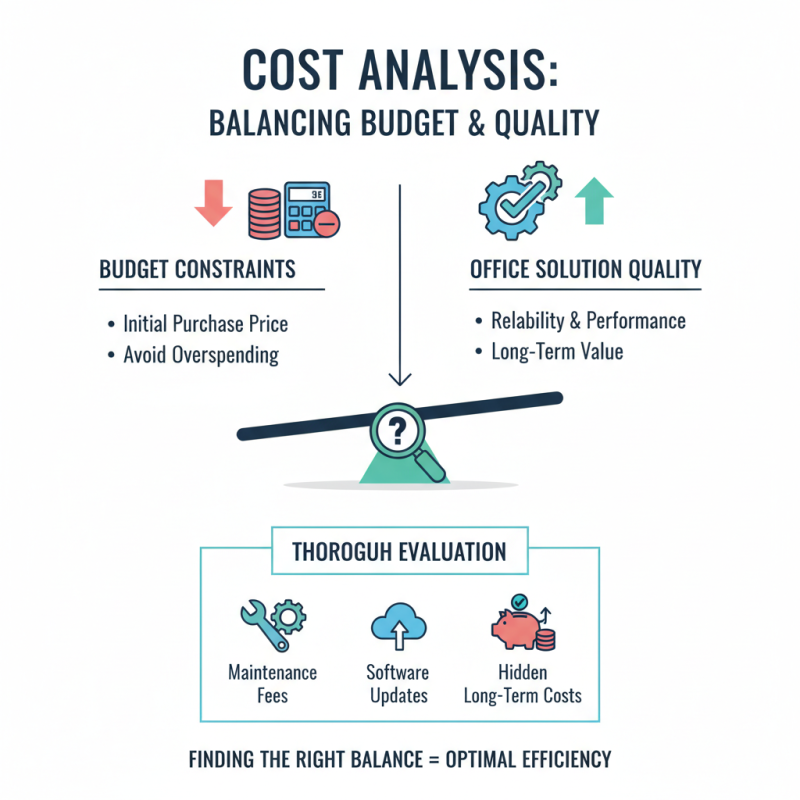
Consider your office layout. A well-designed space promotes collaboration and innovation. Evaluate technology needs. Modern tools can streamline operations but can be costly. Ensure they align with your business goals.
Do not overlook employee comfort. Ergonomic furniture can improve health and productivity. Additionally, reliable support services are essential. They ensure your solutions remain effective over time. Always assess and adjust as your business evolves. Finding the right office solutions is an ongoing process. Reflect on what works and what doesn't; this leads to continuous improvement.
Understanding the Unique Needs of Your Business for Office Solutions
Understanding the unique needs of your business is crucial when selecting office solutions. Each business operates differently. Consider your company culture, team size, and operational processes. For some, a collaborative workspace enhances productivity. For others, individual workstations are essential for focus.
Identify specific tasks and workflows that require support. Would your team benefit from advanced technology, like video conferencing tools? Or do you need streamlined project management software? Assessing these needs is vital. You might find that your current tools are either underutilized or overcomplicated. Sometimes, less is more.
Engage your employees in this discussion. They can provide insights into what works and what doesn’t. Their feedback can highlight gaps in your current solutions. A solution that suits one department might not fit another. Regularly revisiting these needs ensures that your office solutions remain relevant and effective.
Office Solutions Demand Analysis
Evaluating Different Types of Office Solutions: A Comprehensive Overview
Choosing the right office solutions can significantly impact your business's efficiency. There are various options available, ranging from traditional office setups to fully remote arrangements. When evaluating these solutions, consider your team's unique needs and work culture.
Tips: Assess your team's workflow. Observe how they interact. This can reveal gaps in communication or tools that may need updating.
Different types of office solutions offer distinct advantages. Hybrid models blend remote and in-office work, providing flexibility. Fully remote setups reduce overhead costs but can sometimes lead to miscommunication. It’s essential to weigh these factors carefully.
Tips: Engage your employees in discussions about their preferences. Their insights can guide your decision-making process. A solution that works for one team may not suit another. Be receptive to feedback and adapt as needed for long-term success.
Key Features to Consider When Choosing Office Solutions for Efficiency
When selecting office solutions for your business, efficiency is key. Focus on software that enhances collaboration. Look for tools that integrate easily with existing systems. Real-time communication options can boost team productivity. Consider cloud storage solutions too. They ensure data accessibility and security.
User-friendly interfaces matter, especially for training staff. If team members struggle to navigate software, productivity can drop. Invest time in testing various options. Trial periods offer insights into usability. Gather employee feedback to refine your selection process. This input often uncovers overlooked needs.
Remember that scalability is important. As your business grows, your office solutions should adapt. Inefficient tools can hinder progress. Regularly assess your tools and eliminate what doesn’t work. The goal is a seamless workflow that supports your objectives. Embrace change when necessary. A flexible approach keeps your business efficient and competitive.
How to Implement and Integrate Office Solutions into Your Workflow
Implementing office solutions begins with assessing your current workflow. Identify pain points that slow down processes or lead to confusion. Engage your team in discussions about what tools they feel could enhance their productivity. This collaborative approach ensures that everyone’s needs are considered when choosing solutions.
Once you select the appropriate tools, integrate them methodically. Start with a pilot program to test how these solutions fit with existing workflows. Collect feedback from users about any challenges they face. Adjust the integration process based on their experiences. It’s important to allow for flexibility; not all tools will mesh perfectly with your operations at first.
Training is critical. Provide resources that help employees learn how to utilize new tools effectively. Consider workshops or tutorials focused on practical use cases. Continuous evaluation is necessary. Regularly check in with teams to see if the new solutions are making a positive impact or if they need to be reassessed. Using trial and error can reveal insights leading to a more refined setup.