How to Choose Corporate Furniture That Boosts Productivity?
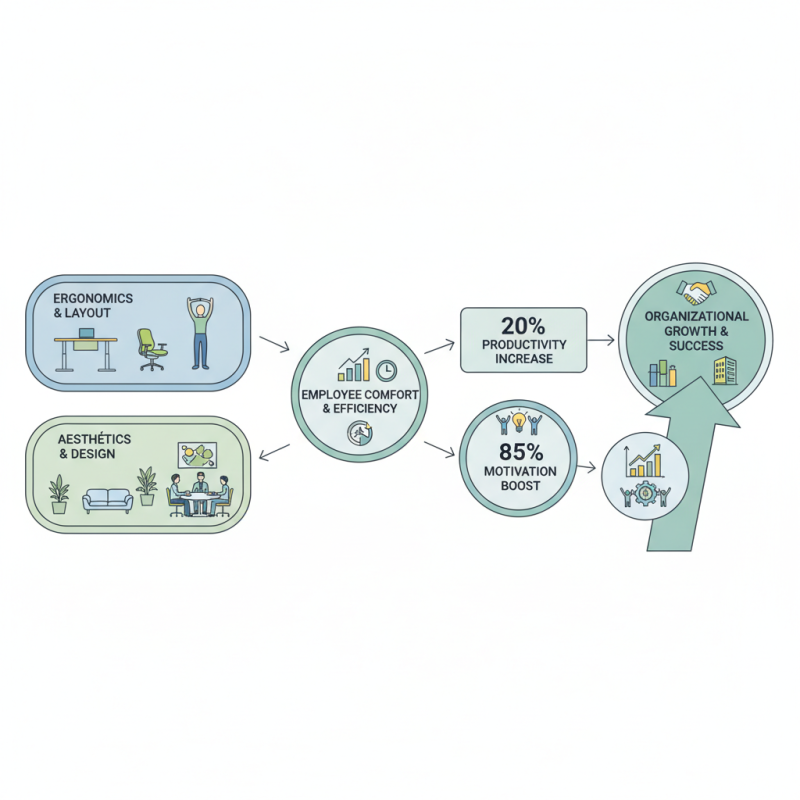
In the contemporary business landscape, the choice of corporate furniture plays a crucial role in enhancing employee productivity. Research indicates that well-designed workspaces can lead to a 20% increase in productivity. Factors such as ergonomics and layout directly influence employee comfort and efficiency. For instance, adjustable desks allow workers to alternate between sitting and standing, promoting better posture and reducing fatigue.
Moreover, the aesthetics of corporate furniture impact the overall workplace environment. A survey by the American Society of Interior Designers highlights that 85% of employees feel more motivated when their workspaces are visually appealing. Engaging designs can inspire creativity and foster collaboration among teams. Yet, many companies overlook the importance of selecting the right furniture, leading to uninspiring and uncomfortable workspaces.
Reflecting on these statistics, it’s clear that investing in quality corporate furniture is not just about style; it directly correlates with business success. Employers must consider the long-term benefits of thoughtful design, balancing costs with the potential for improved performance. Each choice reflects a commitment to enhancing employee well-being, ultimately driving organizational growth.
Identifying the Role of Furniture in Workplace Productivity
Furniture plays a significant role in workplace productivity. It affects not only comfort but also the overall work atmosphere. For instance, ergonomic chairs can reduce back pain, allowing employees to focus. Desks that adjust for standing or sitting can encourage movement and energy. This flexibility can heighten creativity.
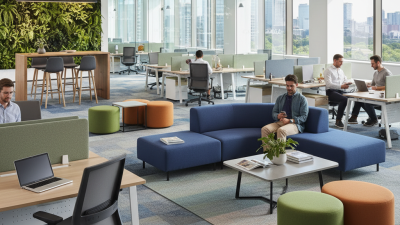
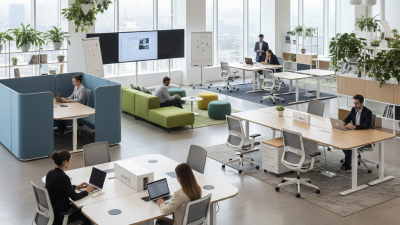
Moreover, the layout of furniture influences collaboration. Open spaces promote teamwork, while secluded areas help with concentration. A balanced approach is key. Too much openness can lead to distractions, while too much isolation might create barriers. Thoughtful placement of furniture can encourage spontaneous interactions, boosting morale.
In designing office spaces, consider specific employee needs. Individual preferences vary widely; some thrive in a bustling environment, while others need quiet. Not every decision will suit everyone. Gathering feedback from staff can highlight what truly benefits productivity. Continuously evaluating and adjusting the workspace will lead to improvements over time.
Impact of Furniture Types on Workplace Productivity
Evaluating Different Types of Office Furniture for Comfort and Functionality
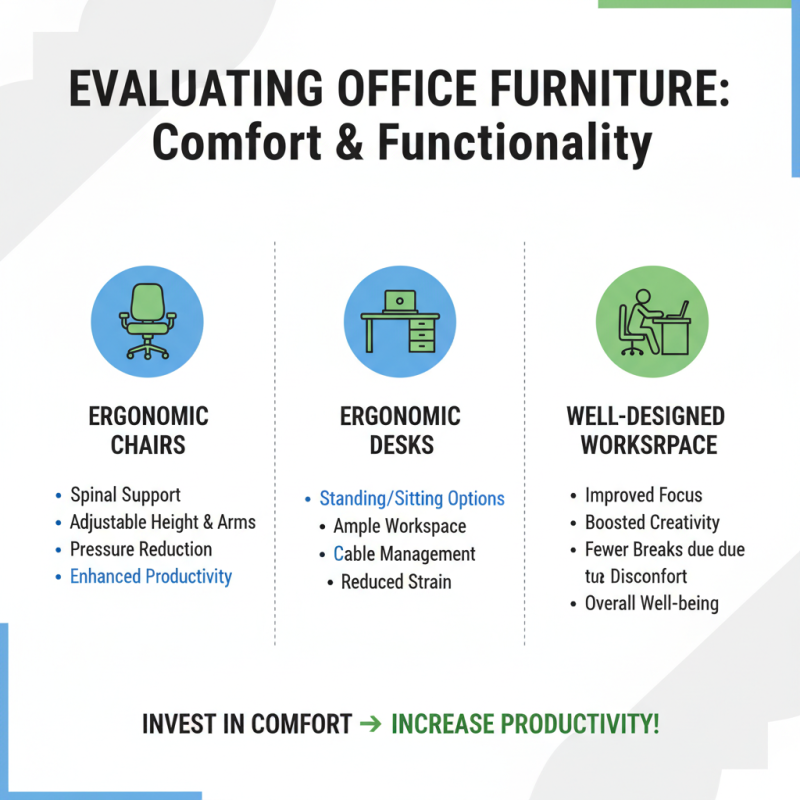
When selecting office furniture, comfort and functionality are essential. Investing in ergonomically designed chairs and desks can significantly enhance employee productivity. A well-designed workspace reduces strain and discomfort, leading to improved focus and creativity.
Consider adjustable desks as they allow for both sitting and standing positions. This flexibility can prevent fatigue during long working hours. Additionally, choosing chairs with lumbar support can promote better posture. Adequate seating encourages employees to stay engaged and productive.
Another aspect to evaluate is storage solutions. Organizing equipment and documents reduces clutter, creating a more efficient environment. Open shelving and filing cabinets can keep the workspace tidy. Observing how teams use their spaces can provide insights into what furniture best suits their needs. Sometimes, less is more, leading to a balance among functionality and aesthetics.
Understanding Ergonomics and Its Impact on Employee Well-Being
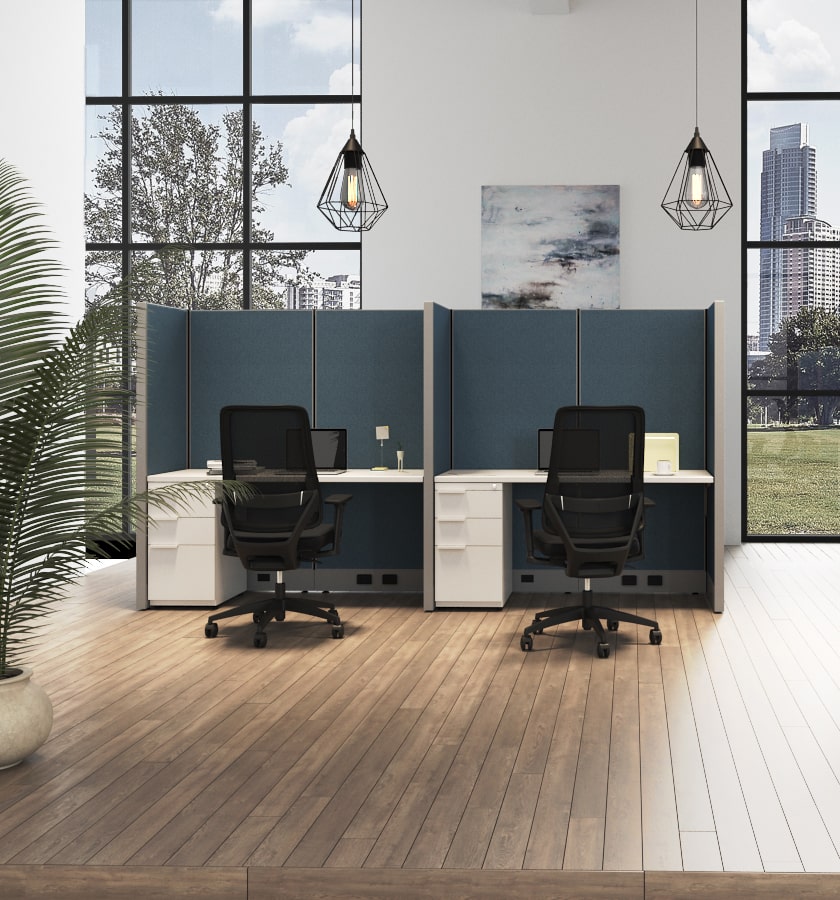
When selecting corporate furniture, understanding ergonomics is paramount. Ergonomics focuses on creating a workspace that fits the user’s needs. An ergonomic chair can greatly enhance comfort and reduce strain, allowing employees to work more efficiently for extended periods. Features such as adjustable height, lumbar support, and breathable materials can transform ordinary seating into a productivity booster.
Moreover, desk design is equally vital. An adjustable desk can accommodate various tasks and personal preferences. Standing options allow for movement throughout the day, preventing the health risks of prolonged sitting. It's crucial to consider factors like desk height and workspace layout, which can affect posture and focus. Clutter-free environments encourage mental clarity. While these concepts seem simple, many teams struggle to implement them effectively.
Investing in ergonomic corporate furniture may yield significant returns. Employees who feel comfortable and valued are often more engaged. However, it’s essential to assess individual needs. What works for one person may not suit another. Regular feedback can create a more responsive environment. Employers must remain open to adjustments based on observations and employee input. Creating a thoughtful, ergonomic workspace requires effort and willingness to adapt over time.
Creating Collaborative Spaces with Appropriate Furniture Choices
Creating collaborative spaces requires thoughtful furniture choices. Fostering teamwork often hinges on the right layout. For instance, consider using modular desks that can be easily reconfigured for different team sizes. Such flexibility allows teams to adapt their working environment based on the task at hand.
Incorporating comfortable seating can also enhance collaboration. Lounge chairs or soft seating areas encourage informal discussions. These spaces can become hubs for idea-sharing. However, it's essential to strike a balance. Too much casual seating might lead to distractions or less productivity when focused work is needed.
Additionally, ensure that the furniture promotes accessibility. Desks should be at comfortable heights, and pathways must be clear. Consider the needs of all employees, including those with disabilities. A space that accommodates everyone can significantly enhance team morale and productivity. Reflecting on these aspects helps create a workspace conducive to collaboration.
Assessing Aesthetic Elements That Inspire and Motivate Employees
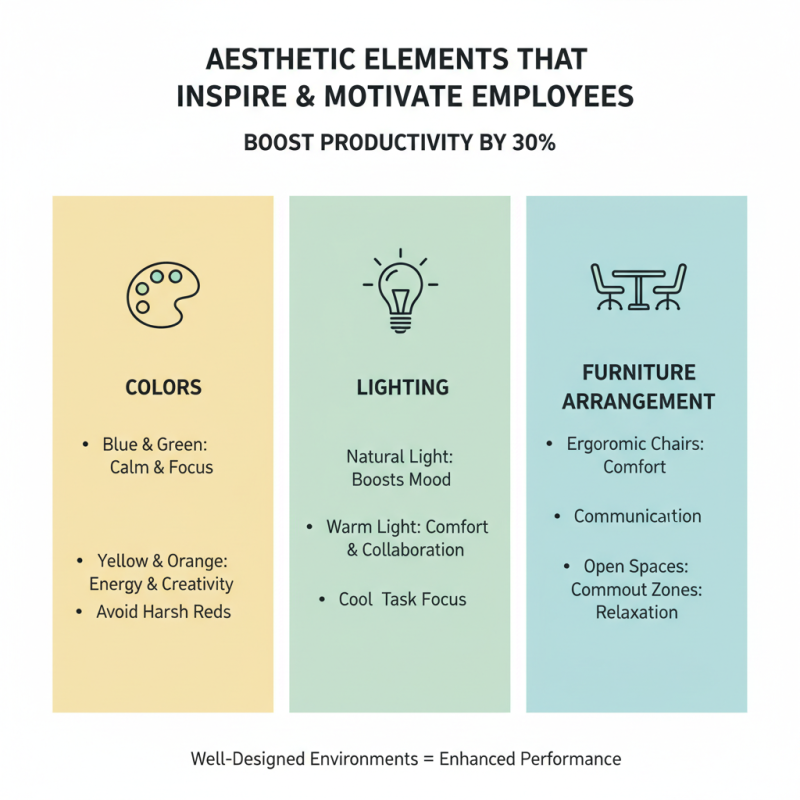
Creating a workspace that fosters productivity requires a deep understanding of aesthetic elements. Studies show that well-designed environments can improve employee performance by up to 30%. Colors, lighting, and furniture arrangements play a crucial role in creating a stimulating atmosphere.
For instance, colors can significantly influence moods. Warm tones invite enthusiasm, while cooler shades promote calm and focus. The right lighting also impacts wellbeing. Natural light is vital; reports indicate it can reduce eye strain by 51%. Moreover, thoughtful furniture arrangements that encourage collaboration can inspire creativity, yet many companies overlook this aspect. Open spaces should be balanced with quiet zones to cater to different work styles.
However, attention to detail is essential. Some offices make the mistake of prioritizing aesthetics over comfort. Poorly designed chairs or desks can lead to physical strain. It's important to choose furniture that supports ergonomics. A study found that 86% of employees experience discomfort at work due to inadequate furniture. Ultimately, a balance between aesthetic appeal and functional comfort can inspire motivation and drive productivity. Reflecting on these factors can lead to an improved workplace environment.