Why Choosing the Right Office Work Table Can Boost Your Productivity
In today’s fast-paced work environment, the choice of an office work table plays a crucial role in influencing employees' productivity and overall workplace satisfaction. According to a report by the International Workplace Group (IWG), 95% of professionals believe that a well-designed workspace positively impacts their productivity levels. This assertion emphasizes the importance of selecting appropriate furniture, particularly the office work table, as it serves as a foundational element in creating an efficient work environment.
Moreover, research from Steelcase indicates that workers who have access to a properly designed office work table can increase their productivity by up to 15%. This statistic highlights the significance of ergonomics and adaptability in office design, suggesting that an office work table tailored to the needs of its users can enhance focus and reduce physical strain. By understanding how to effectively choose and implement an office work table that aligns with modern design principles, organizations can foster a culture of productivity and well-being. Ultimately, investing in the right office work table is not just a matter of aesthetics, but a strategic decision that can lead to measurable improvements in employee performance and satisfaction.
Understanding the Importance of Office Workspace Design
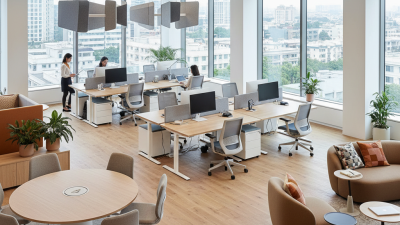
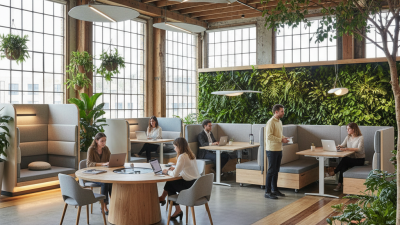
The design of office workspaces plays a pivotal role in shaping not only the aesthetic and functional aspects of the environment but also directly impacts employee productivity and satisfaction. As organizations seek to attract top talent and unleash their full potential, they must prioritize creating flexible, engaging, and inclusive workspaces that cater to the diverse needs of the modern workforce. The evolution of office layouts is increasingly focused on fostering collaboration and improving overall well-being, recognizing that a happy employee is often a more productive one.
Moreover, the shift towards remote work has prompted companies to rethink their office designs entirely. With many businesses downsizing their physical spaces, there is a growing trend towards multifunctional environments that can adapt to various working styles. This new approach not only optimizes space but also encourages innovation by providing employees with the freedom to choose how and where they work. Ultimately, a well-designed office can serve as a catalyst for creativity and efficiency, reinforcing the idea that a thoughtfully curated workspace is essential for achieving organizational success in today’s dynamic market landscape.
Impact of Office Workspace Design on Employee Productivity
Key Features of an Ideal Office Work Table
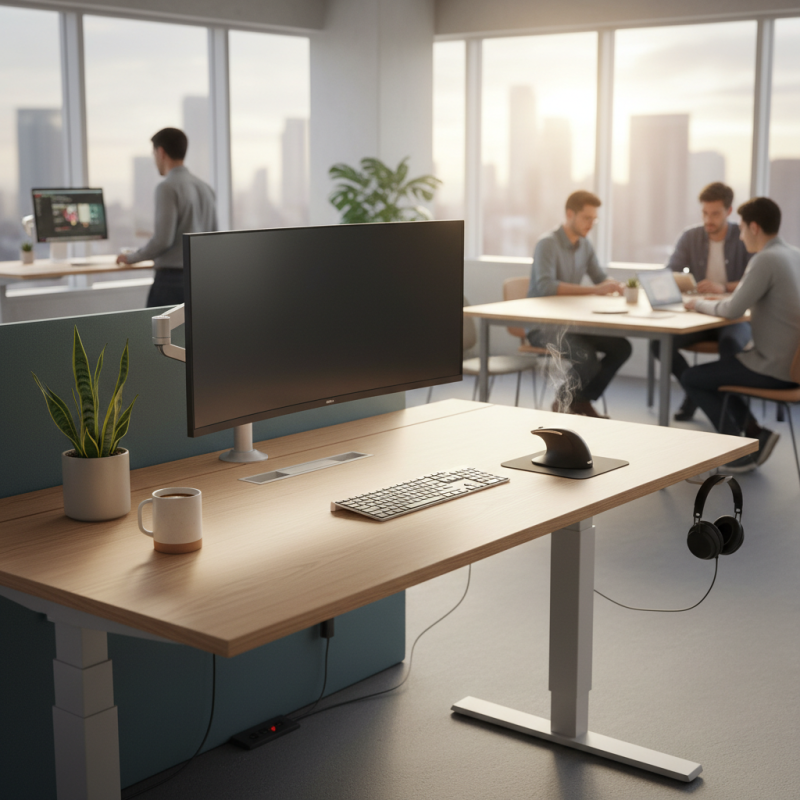
When it comes to enhancing productivity in the workplace, selecting the right office work table is essential. A well-designed work table should prioritize ergonomics, allowing users to maintain proper posture and comfort during long hours of work. Features such as adjustable height settings can accommodate the varying needs of employees, enabling them to switch between sitting and standing positions, which has been shown to reduce fatigue and improve focus.
In addition to ergonomics, the ideal office work table should offer ample workspace and storage solutions. A spacious tabletop can facilitate the organization of essential documents and tools, minimizing clutter and distractions. Integrated storage options, like drawers or shelves, keep the workspace tidy, making it easier for individuals to locate what they need quickly. Furthermore, the inclusion of cable management systems can help in organizing electronics and preventing tangles, contributing to a more streamlined and efficient working environment.
Why Choosing the Right Office Work Table Can Boost Your Productivity - Key Features of an Ideal Office Work Table
| Feature |
Description |
Impact on Productivity |
| Ergonomic Design |
Tables designed to support the natural posture of the body, reducing strain. |
Enhances comfort and decreases fatigue, allowing longer focused work sessions. |
| Adjustable Height |
Tables that can change height for sitting or standing use, promoting movement. |
Encourages activity, improves circulation, and helps maintain energy levels. |
| Ample Surface Area |
Sufficient space for a monitor, documents, and other work materials without clutter. |
Reduces distractions and helps keep work organized, boosting efficiency. |
| Cable Management |
Integrated systems for organizing electrical cords and cables. |
Minimizes visual clutter and hazards, creating a clearer workspace. |
| Durability |
Made from high-quality materials that withstand wear and tear. |
Long-lasting furniture reduces replacement costs and fosters consistency. |
How Desk Height Affects Comfort and Productivity
The height of your office desk plays a crucial role in both comfort and productivity. According to a study from the American Journal of Preventive Medicine, improperly adjusted desk heights can lead to musculoskeletal disorders, resulting in a significant drop in employee productivity. In fact, the report indicates that over 50% of employees experience discomfort that can be traced back to their workstation setup. Adjusting desk height to match the individual's ergonomic needs not only alleviates discomfort but can also enhance focus and efficiency.
Research from the Cornell University ergonomics program highlights that workers who use sit-stand desks, which can be adjusted for height, report a 47% increase in productivity. This increase is attributed to the decreased fatigue and discomfort associated with prolonged sitting. In addition, a report from the Global Workplace Analytics indicates that creating an ergonomic workspace can reduce the risk of chronic pain, leading to lower absenteeism rates and overall healthier work environments. Therefore, selecting the right desk height is not just a matter of comfort; it is a strategic decision that can significantly impact workplace efficiency.
The Role of Material and Aesthetics in Office Tables
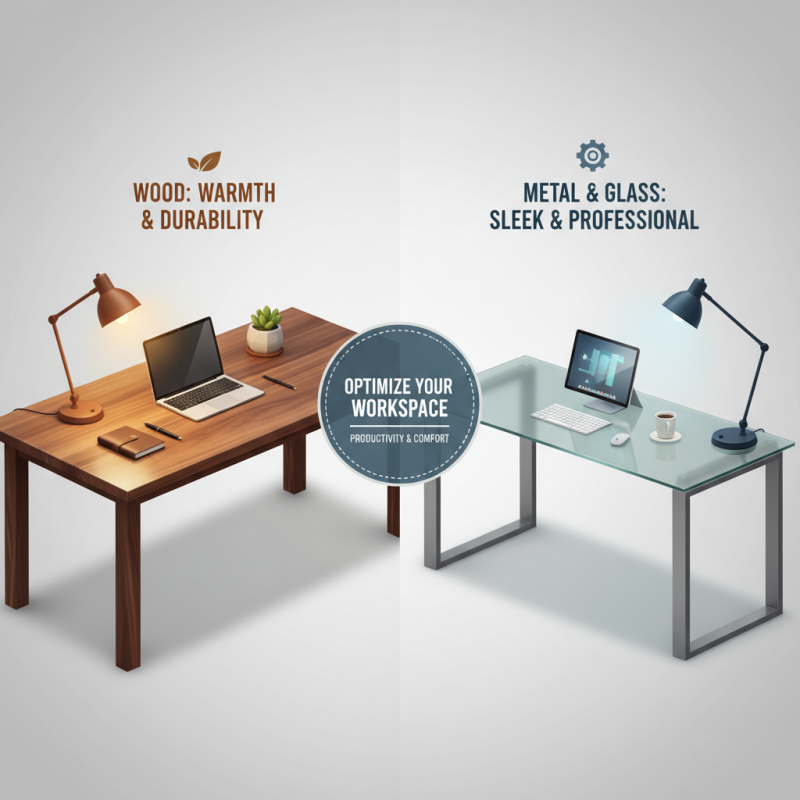
Choosing the right material and aesthetics for your office work table significantly impacts productivity and overall work experience. Materials like wood offer warmth and durability, while modern options such as metal or glass can create a sleek, professional look. Each material not only presents a different aesthetic but also influences the tactile experience during long hours of work. For instance, a smooth, resilient surface can enhance writing comfort and technological interactions, making it crucial to select a desk that aligns with your personal work habits.
Moreover, the aesthetics of the workspace contribute to mental well-being. A beautifully designed desk that reflects your style can inspire creativity and motivation. Integrating elements like desk mats can also play a pivotal role, as they provide a comfortable surface while allowing for personalization. Ultimately, the selection of materials and the design of your office furniture can foster an inviting atmosphere that boosts focus and efficiency in daily tasks.
Maximizing Space: Choosing the Right Size and Shape for Your Needs
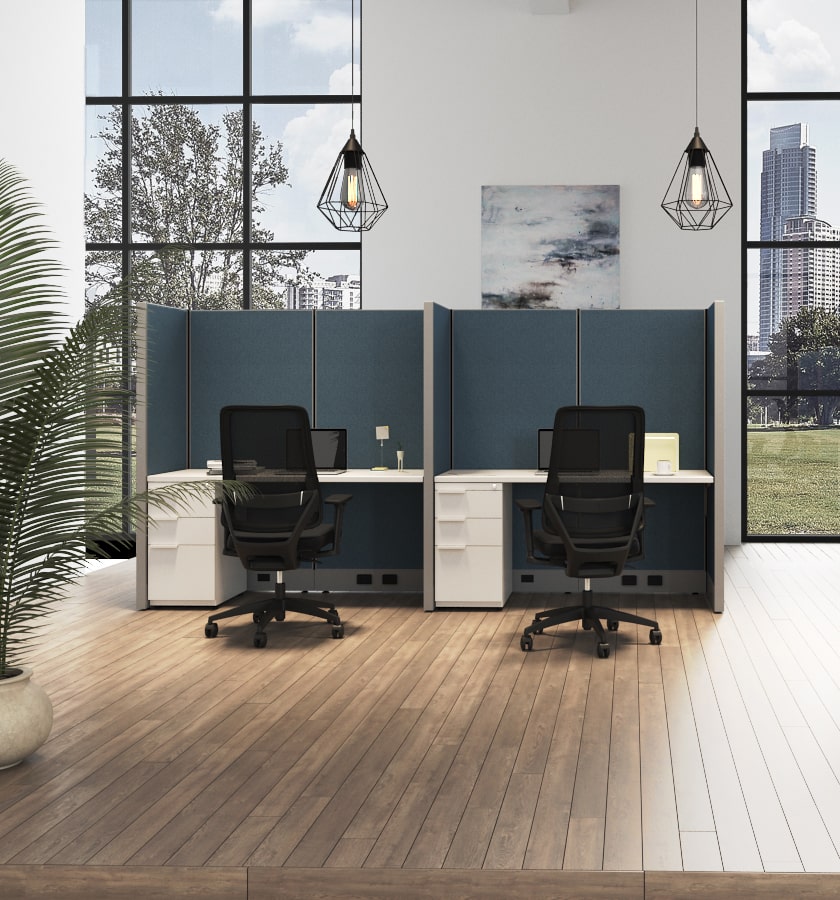
Choosing the right size and shape of an office work table is crucial for maximizing space and enhancing productivity. According to a study by the International Interior Design Association, ergonomic workspace design can lead to a 20% increase in productivity. A well-chosen table not only complements the layout of your office but also accommodates your personal workflow preferences. For instance, L-shaped desks provide ample surface area and allow for easy multitasking, making them ideal for professionals who juggle various tasks throughout the day.
In contrast, compact desks are suited for smaller spaces and can help minimize clutter, which is known to distract employees. A report from the Global Workplace Analytics states that 30% of workers believe that their productivity declines when their workspace is cramped. By selecting a table that fits not just your physical space but also the nature of your work, you create an environment that fosters focus and efficiency. Incorporating modular design elements can further enhance flexibility, allowing you to adapt your workspace as your needs evolve.