How to Choose the Best Leather Recliner Sofa Set
Choosing the right Leather Recliner Sofa Set is not simply a matter of matching colors with your living room. It involves comfort, construction, space, maintenance, and daily habits. A beautiful sofa may still disappoint if its seat feels too firm, its footrest stops short, or its recline angle strains your neck. Measure the doorway, wall length, and walking space before shopping. Small details matter.
Furniture designer Michael Amini offers a practical reminder: “Comfort should be felt before style is judged.” That idea applies directly when comparing leather recliners. Sit fully back and test the lumbar support. Open and close each footrest slowly. Listen for unusual clicking sounds. Check whether the armrests support your elbows naturally. Genuine leather can develop character over time, but its surface still needs suitable cleaning and protection. Split leather and bonded leather may look similar in photographs, yet their durability can differ considerably.
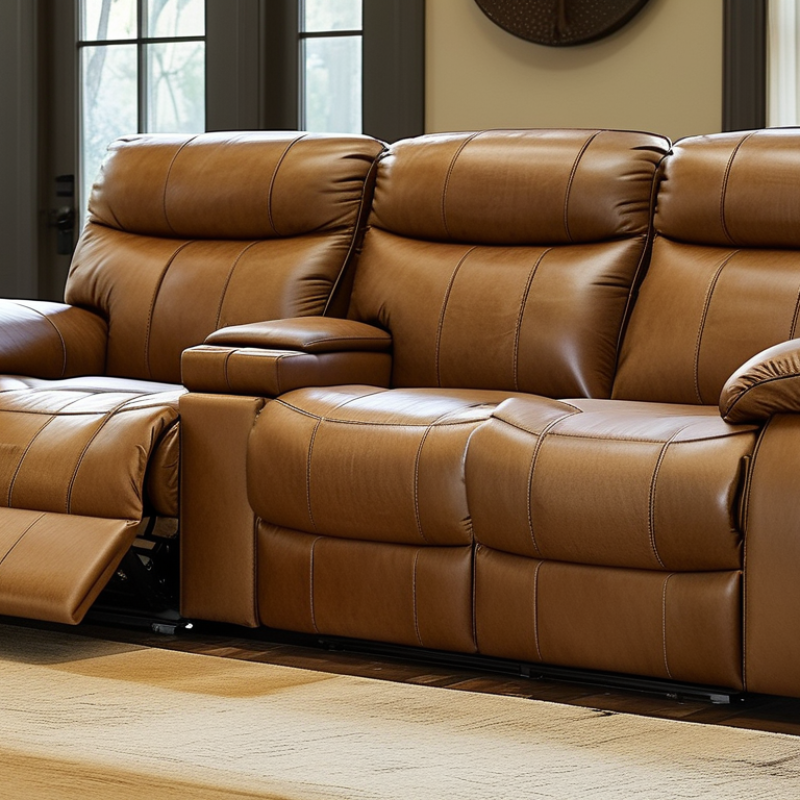
A dependable Leather Recliner Sofa Set should also fit your household’s real routine. Families with children may need protected surfaces and easy-clean finishes. Tall users should examine seat depth and headrest height carefully. Compact rooms may require wall-hugger recliners, which need less clearance behind the frame. Do not trust labels alone. Ask about the frame material, reclining mechanism, warranty, and replacement parts. I have found that buyers often focus on appearance first, then regret ignoring support. That mistake is common. Comfort is personal, and no guide can replace sitting in the sofa yourself. Take your time, test every seat, and accept that the perfect choice may look less impressive than expected.
Define Your Space, Seating Needs, and Recliner Set Size
Choosing a leather recliner sofa set starts with your room, not the showroom display. Measure the wall, doorway, stairwell, and elevator before comparing styles. Record the room’s length and width, then mark windows, vents, outlets, and walking paths. Leave at least 30 to 36 inches for comfortable movement around the sofa.
Your seating needs should guide the set size. A two-seat recliner may suit a compact apartment or quiet reading area. A three-seat set works better for family viewing and regular guests. Count the people who usually sit together, not the largest possible crowd. Each recliner also needs space to extend fully. Keep roughly 12 to 18 inches behind a reclining back, unless the design uses a wall-saving mechanism. Measure the extended footrest too. It can reach farther than expected.
I once saw a room look spacious in a floor plan but feel crowded after delivery. The missing detail was the open footrest distance. That mistake is easy to repeat. Use painter’s tape to outline the sofa’s footprint on the floor. Sit inside the marked area and check whether tables, doors, and walkways still work. Consider comfort differences as well. Taller users may need deeper seats and longer footrests, while smaller users often need stronger lumbar support. Check the manufacturer’s exact dimensions, weight guidance, reclining clearance, and leather-care instructions before ordering. Furniture measurements can be confusing. Measure twice.
How to Choose the Best Leather Recliner Sofa Set
Define your space, seating needs, and recliner set size before you buy.
Define Your Space
Measure wall width, doorway access, and walking paths. Leave enough room for the recliner mechanism to extend safely.
Match Seating Needs
Choose two seats for compact rooms, three seats for everyday family use, or four seats when flexible seating is a priority.
Plan Reclining Clearance
A practical planning allowance is approximately 12 inches behind the sofa and 18 inches in front of the footrest.
Typical planning estimates in inches. Actual dimensions vary by sofa design and reclining mechanism; always verify the product specifications.
Evaluate Reclining Mechanisms, Comfort, and User-Friendly Features
Choosing the best leather recliner sofa set starts with its reclining mechanism. Test each seat several times, not just once. A power recliner should move smoothly without sudden stops or loud motor noise. Check whether the footrest opens fully and returns without forcing your legs forward. Manual models need a firm, reachable handle that does not strain your wrist. I once preferred a faster mechanism, but slower movement felt safer and more controlled. Small differences matter during daily use.
Comfort requires more than soft cushions. Sit with your back fully supported for at least ten minutes. Your lower back should meet the lumbar area without a gap. Keep both feet relaxed when the footrest is extended. Examine the seat depth, armrest height, and head support carefully. Some leather feels luxurious at first but becomes warm after prolonged sitting. That detail is easy to miss. User-friendly features should remain simple. A clearly labeled remote, accessible USB port, and easy-clean surface can improve everyday use. However, extra buttons may confuse older users. Ask about frame construction, reclining-cycle testing, leather care, and warranty coverage. Inspect stitching around corners and joints. Perfect comfort is not guaranteed, so allow room to reconsider your first impression.