How to Choose the Best Office Cabinet for Your Workspace?
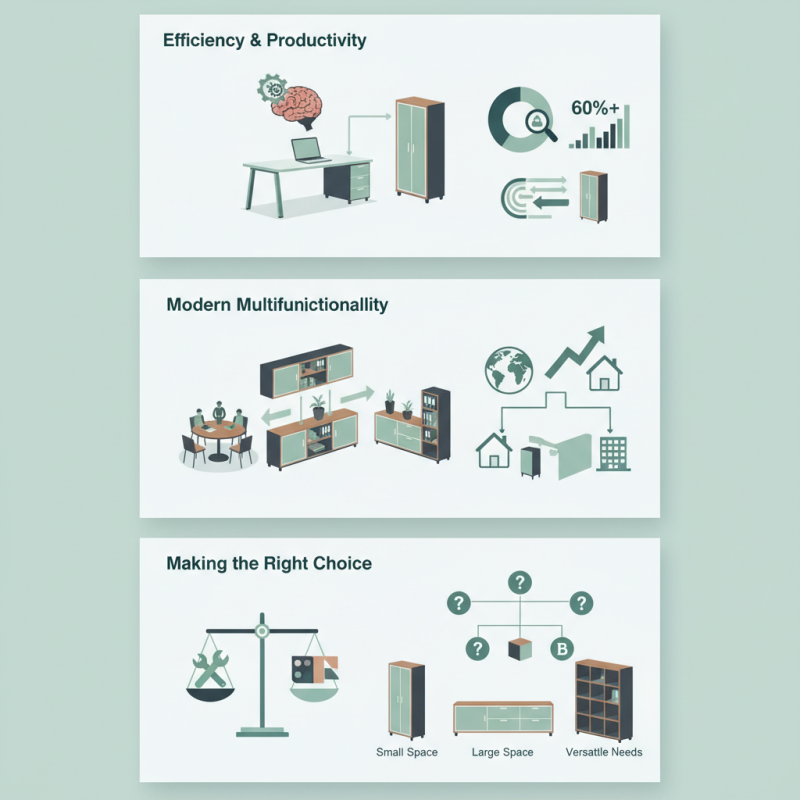
Choosing the right office cabinet is crucial for an efficient workspace. A well-organized office contributes to increased productivity, as over 60% of employees claim a clutter-free environment enhances their focus, according to a 2022 survey by the International Facility Management Association. Office cabinets play a pivotal role in maintaining this organization. They offer storage solutions that can streamline workflows and minimize distractions.
In today’s modern offices, there is a growing emphasis on multifunctional furniture. A report by the Global Office Furniture Market states that the demand for versatile office cabinets is rising, driven by remote working trends. Storage systems now need to adapt to various functions, such as collaborative spaces and personal workstations. This evolution of office cabinet design reflects a blend of practicality and style, which can impact employee morale.
However, selecting the ideal office cabinet can often feel overwhelming. The vast range of materials, sizes, and styles leads to uncertainty. What works for one office layout may not suit another. It’s essential to reflect on your specific needs and workspace dynamics. Balancing aesthetics and utility can be challenging yet rewarding, leading to thoughtful design choices that are both practical and visually appealing.
Understanding the Purpose of Office Cabinets in Your Workspace
Office cabinets serve a vital role in workspace organization. They help manage documents, supplies, and personal items, contributing to both efficiency and productivity. According to a report by the International Facility Management Association, well-organized workspaces increase employee productivity by up to 20%. When choosing an office cabinet, it’s essential to consider how it meets your specific needs.
Understanding the purpose of office cabinets involves recognizing their impact on workspace aesthetics and functionality. A cabinet not only stores items but also helps create a structured environment. An organized workspace reduces clutter, allowing for better focus. However, a poorly designed cabinet can lead to confusion and time wasted searching for essential documents. It’s vital to select a cabinet that enhances accessibility while blending seamlessly with your office decor.
Sustainability is another factor to consider. A recent study by GreenBiz highlighted that 87% of employees prefer working in eco-friendly environments. Choosing cabinets made from sustainable materials reinforces your commitment to the environment. Still, not every eco-friendly option is cost-effective or durable. Weighing the benefits of style, practicality, and environmental impact will guide you in making the best choice for your workspace.
Evaluating Space and Size Requirements for Office Cabinets
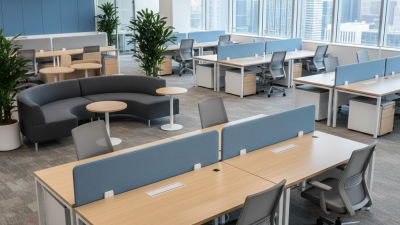
When evaluating space and size requirements for office cabinets, consider your workspace layout. Start by measuring the area where the cabinet will go. An accurate measurement ensures the cabinet fits well without overcrowding the space. Think about door swings and accessibility. A cabinet that blocks passageways can lead to frustration.
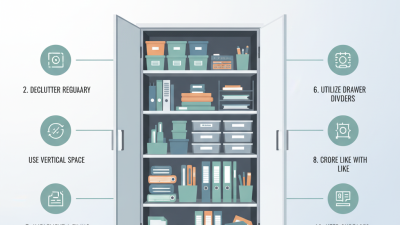
Next, think about your storage needs. What items will you store? Office supplies may require smaller shelves, while files need deeper drawers. If you have a lot of paperwork, a taller cabinet may be reasonable despite taking up more vertical space. Assessing your needs will help avoid clutter.
Lastly, remember the cabinet's proportionality to your workspace. A large cabinet can overwhelm a small room, creating a cramped feel. On the contrary, a tiny cabinet in a spacious office might look out of place. Striking a balance is essential for functionality and aesthetics. This process encourages you to rethink your space. What works today might not work tomorrow. Stay flexible and open to adjustments.
Exploring Different Types of Office Cabinets Available
When selecting office cabinets, consider the various types available to meet your specific needs. You may encounter filing cabinets, storage cabinets, and multimedia cabinets. Each type serves a different purpose. Filing cabinets are essential for document organization. They ensure your important papers remain secure and readily accessible. Storage cabinets can hold office supplies and personal items, adding to the overall efficiency of your workspace.
Multimedia cabinets are designed to house technology, such as printers or projectors. These cabinets not only serve a functional role but also enhance the aesthetics of your office environment. Pay attention to size and layout. Your cabinet should seamlessly fit into the office space without causing clutter.
Remember, the material is also crucial. Wooden cabinets provide a classic look, whereas metal cabinets emphasize modern durability. Consider your workspace’s overall theme. Choosing the right cabinet can elevate the professional atmosphere. However, many people tend to overlook practical considerations. Always evaluate functionality and style before making your choice. This reflective approach can lead to a more harmonious workspace.
Office Cabinet Type Preference Survey
This chart represents the preference distribution of different types of office cabinets based on a recent survey. Each type of cabinet shows the percentage of respondents who prefer that specific type.
Material Choices: Selecting the Right Cabinet for Durability and Aesthetics
Choosing the right material for your office cabinet can greatly impact both durability and aesthetics. Wood offers a classic look that can enhance any workspace. It brings warmth and elegance. However, wood can be sensitive to humidity and scratches.
Metal cabinets are robust and can withstand heavy use. They often suit modern office environments well, yet they may lack charm without proper design.
Consider the finish of your cabinet. Laminate surfaces are easy to clean and resistant to stains. They come in various colors and styles; however, they might not match every office decor. Glass cabinets add a sleek, contemporary feel. They allow visibility of stored items but may require regular cleaning to avoid fingerprints.
Assess your workspace needs when choosing materials. A heavy-duty cabinet can bear tools and files but might not blend with a minimalist design. A lighter cabinet could suit a trendy, open layout but may lack long-term durability. Finding a balance between functionality and style is key. Reflect on your individual preferences, office design, and the cabinet's intended use.
Budgeting and Cost Considerations When Choosing Office Cabinets
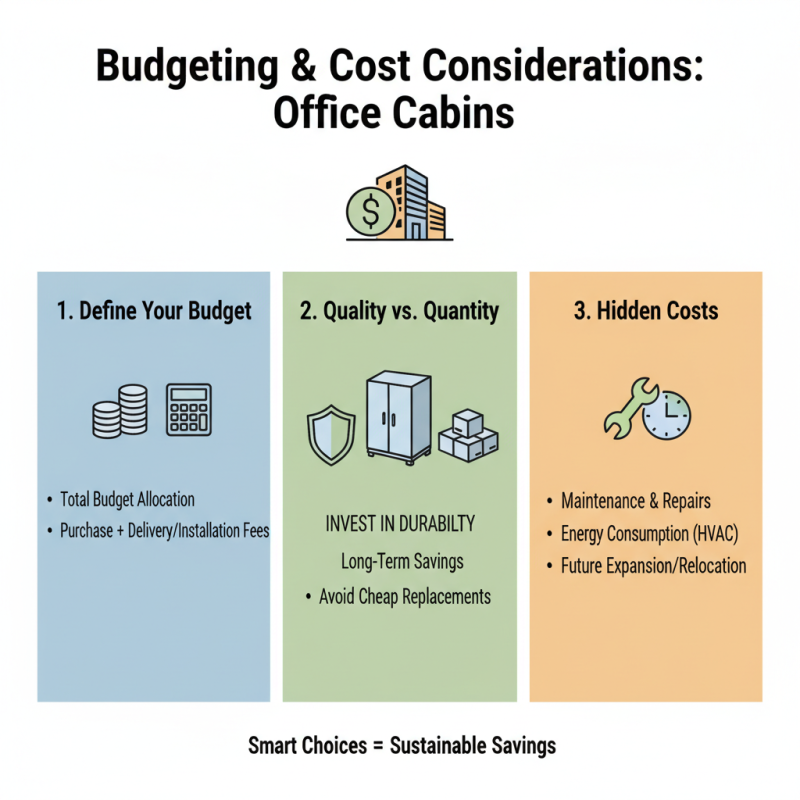
When selecting office cabinets, budgeting is essential. Start by determining your total budget. Consider both the purchase cost and any additional expenses, such as delivery and installation fees. Assess the need for quality over quantity. A well-made cabinet may be more expensive but can save you money in the long run.
Evaluate the cabinet's material and construction. Solid wood cabinets tend to be sturdier and last longer than particle board options. However, they usually come with a higher price tag. Think about your workspace requirements. Often, less expensive cabinets may not meet your needs. Researching average costs in your region can offer insights into pricing trends.
Don't overlook the value of second-hand options. Used cabinets may provide significant savings, but inspect them thoroughly for wear and tear. Keep in mind, too, that some cabinets may look appealing but lack durability. In the end, striking a balance between aesthetics, functionality, and budget is crucial. Calculate your priorities before making a decision.