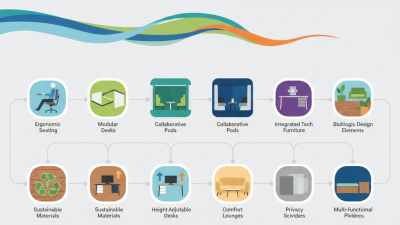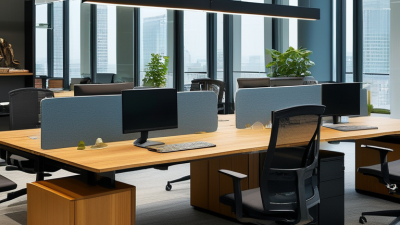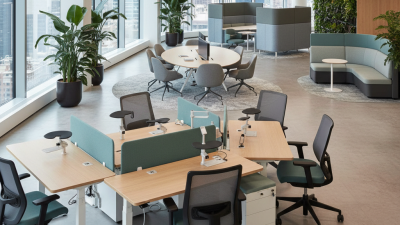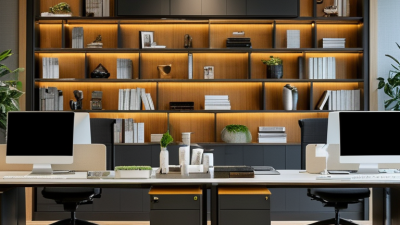
Choosing the right office desks can shape how people work, communicate, and feel throughout the day. A desk is not merely a flat surface for a computer. It affects posture, storage, movement, concentration, and the visual character of a workplace.
In this guide, we examine practical factors that business owners and office managers should consider before buying. These include desk size, ergonomic design, materials, cable management, adjustability, and long-term durability. A compact workstation may suit a small room, while a shared benching system can support collaboration. Private offices may require executive desks with greater storage. Measure the room carefully. A beautiful desk can still fail if it blocks walkways or leaves no space for chairs.
Experience also matters. Employees often reveal problems that product descriptions hide, such as sharp edges, unstable frames, or insufficient legroom. Ask how each team works before selecting a style. Standing desks may help some employees change position, but they are not a complete answer to poor workplace habits. Comfort still depends on monitor height, chair support, and regular movement.
Budget deserves honest attention. The cheapest option may create replacement costs later. Yet expensive furniture is not automatically better. Compare warranties, surface quality, weight capacity, and maintenance requirements. Review dependable specifications, test samples when possible, and collect employee feedback. Some choices may still need revision after installation. That is normal. The best office desks balance usability, employee needs, available space, and responsible spending.
How to Choose the Best Office Desks for Your Business?
Choosing office desks should begin with evidence, not appearance. Current BIFMA office-furniture data can reveal movement in workplace demand, product categories, and changing space needs. Use this information as a planning reference, not a complete answer. Your team may include quiet analysts, mobile managers, hybrid employees, and staff handling sensitive documents. Each workstyle requires different desk depth, storage, cable access, and privacy. Measure real behavior before ordering. Watch who moves often, who needs dual monitors, and which desks remain unused.
Tips: Create a simple capacity map. Record daily attendance for several weeks. Mark peak occupancy, shared spaces, and equipment needs. Select desks with durable surfaces and adjustable features where possible. Confirm dimensions against room layouts, walking paths, and accessibility requirements. Review relevant BIFMA performance and safety guidance with a qualified supplier or facilities professional.
I once planned a compact office around average attendance. It looked efficient on paper. During project deadlines, however, every spare chair disappeared, and cables crossed the walkways. That mistake changed my process. I now compare average, peak, and future capacity before selecting a desk system. BIFMA data supports credible market decisions, but internal measurements provide the missing context. Leave modest room for growth. Too much unused space wastes money, while too little reduces comfort and productivity. Avoid assuming one desk style fits every department. A practical trial layout can expose problems before installation. It may also challenge your original plan.
Choosing office desks starts with measuring the room, not browsing furniture catalogs. A depth near 30 inches gives most employees space for a monitor, keyboard, documents, and occasional writing. Width usually works best between 48 and 72 inches. A 48-inch desk suits compact workstations, while a 72-inch surface supports dual monitors or shared project materials.
I have found that dimensions alone do not guarantee comfort. Leave enough clearance behind the chair for safe movement, especially in busy offices. Check the desk height, legroom, cable paths, and drawer placement before ordering. A large desk can still feel cramped when its frame blocks the knees. That mistake is easy to miss.
Tips: Mark the proposed footprint with masking tape. Sit inside it. Move your chair naturally. Keep about 30 inches of depth when possible, but adjust it for monitor distance and task needs. Measure doors, lifts, and corridors too. A desk that fits the office may not reach the office. Small rooms may need 48 inches of width, while managers or designers may benefit from 60 to 72 inches. Consider shared tables carefully; they often need more clearance than expected. Also, ask employees to test a sample setup. My measurements have occasionally looked correct on paper, yet daily use exposed awkward reach zones. Allowing for that uncertainty is practical, not excessive.
Choosing an office desk should begin with the worker, not the finish or shape. ANSI/HFES 100-2007 offers a practical framework for reviewing computer workstations. It focuses on fit, reach, posture, visibility, and adjustability. A desk alone cannot guarantee an ergonomic setup.
Measure the seated worker and the equipment together. The keyboard should allow relaxed shoulders and nearly level forearms. The monitor should sit directly ahead, with its top near eye level. Keep frequently used items within easy reach, not behind the user. Leave enough legroom for knees, feet, and occasional position changes. A height-adjustable surface can support different employees, but only when adjustments are simple and clearly marked.
Check the desk in real use. Watch how an employee works for thirty minutes, not just during a showroom test. Look for raised shoulders, bent wrists, forward head posture, or repeated twisting. These details often reveal problems that specifications miss. Cable openings, stable feet, rounded edges, and a low-glare surface also matter. Small issues become tiring over a full workday.
Do not treat ANSI/HFES 100-2007 as a magic approval label. It is guidance for human-centered workstation design, not a substitute for professional assessment. Some recommendations may need interpretation for shared desks, laptops, or unusual tasks. I would document measurements, user feedback, and any changes made. The review may still be imperfect. That is useful. Good desk selection remains an ongoing process, not a one-time purchase.
How to Choose the Best Office Desks for Your Business?
A desk can look solid and still fail under daily office pressure. Evaluate it against ANSI/BIFMA X5.5 desk performance tests before approving a large purchase. This standard examines important areas, including stability, structural strength, durability, and resistance to repeated use. Ask suppliers for current test reports, not only general quality claims. Verify the tested model, configuration, and date.
Look closely at the details. During evaluation, drawers should open smoothly after repeated cycles. Fasteners should remain secure. The work surface should resist permanent damage under applied loads. A loaded desk should not twist, tip, or develop uncomfortable movement. Check cable openings, adjustable components, and modesty panels too. Small parts often reveal weak engineering.
Do not confuse testing with real-world perfection. A desk may pass controlled laboratory conditions yet feel unstable on an uneven floor. That gap deserves attention. Request information about load placement and test duration. Compare those conditions with your office routines, such as heavy monitors, frequent repositioning, or shared workstations. A common mistake is choosing the lowest price and reviewing performance later. I would also question incomplete reports; missing details may not prove failure, but they reduce confidence. Use the standard as evidence, then inspect samples personally before placing a larger order.
Practical procurement comparison using common office-desk dimensions and ANSI/BIFMA X5.5-related performance evidence.
| Desk Configuration | Typical Width | Typical Depth | Working-Height Range | Recommended Clear Legroom | Typical Declared Load Range | ANSI/BIFMA X5.5 Evidence to Request | Key Durability Checks | Procurement Assessment |
|---|---|---|---|---|---|---|---|---|
| Single-Person Rectangular Desk | 1,200–1,600 mm | 600–800 mm | 710–760 mm fixed height | At least 680 mm wide × 600 mm deep × 620 mm high | 60–120 kg evenly distributed | Complete test report identifying the desk model, configuration, loads, conditioning, test sequence, and results. | Check top deflection, frame loosening, fastener movement, racking, and stability after repeated loading. | Suitable for standard workstations |
| Electric Sit-Stand Desk | 1,200–1,800 mm | 600–800 mm | 620–1,250 mm adjustable range | At least 680 mm wide × 600 mm deep × 620 mm high at the lowest setting | 70–150 kg, including accessories | Test evidence covering the complete assembled unit, lifting columns, controls, frame, and highest-risk operating position. | Check vertical and horizontal stability, column play, frame racking, noise, cable strain, and repeat height-adjustment performance. | Require full-cycle evidence |
| Two-Person Benching Desk | 2,400–3,200 mm | 1,200–1,600 mm overall | 710–760 mm fixed height | At least 680 mm wide × 600 mm deep per user | 100–200 kg per shared work surface | Report must cover the shared frame, intermediate supports, cable-management parts, and the complete bench configuration. | Check center-span sag, shared-frame racking, impact resistance, connector retention, and stability under uneven loading. | Efficient for open-plan offices |
| L-Shaped Workstation | 1,500–2,000 mm per side | 600–800 mm per side | 710–760 mm fixed height | At least 680 mm wide × 600 mm deep in the primary seated zone | 100–180 kg across both surfaces | Evidence should identify the tested return-side orientation, corner connection, support legs, and accessory configuration. | Check corner-joint strength, torsion, return-side deflection, lateral racking, and stability with an uneven corner load. | Verify configuration-specific testing |
| Executive Desk with Storage | 1,600–2,200 mm | 750–1,000 mm | 710–760 mm fixed height | At least 700 mm wide × 650 mm deep × 620 mm high | 120–250 kg, depending on storage modules | Request testing for the complete desk, including attached pedestals, modesty panels, drawers, and storage components. | Check anti-tip behavior, drawer retention, cabinet attachment, top deflection, racking, and stability with asymmetric storage loads. | Appropriate for private offices |
| Training or Folding Desk | 1,200–1,800 mm | 500–700 mm | 710–760 mm fixed height | At least 600 mm wide × 500 mm deep × 620 mm high | 50–100 kg evenly distributed | Test report should cover folding joints, locking mechanisms, casters, nesting components, and the deployed configuration. | Check repeated opening and closing, lock engagement, caster retention, folding-joint wear, impact, and deployed stability. | Prioritize moving-part durability |
| Mobile Collaborative Table | 1,200–2,400 mm | 600–1,000 mm | 710–760 mm fixed height | At least 680 mm wide × 600 mm deep per primary user position | 80–180 kg, excluding dynamic leaning forces | Request evidence for the complete mobile unit, including casters, brakes, frame, top, and connection hardware. | Check caster-brake effectiveness, lateral stability, racking, impact resistance, frame fatigue, and movement under applied force. | Good for flexible spaces |
| Modular Workstation with Screen Panels | 1,200–1,800 mm per station | 600–800 mm | 710–760 mm fixed height | At least 680 mm wide × 600 mm deep × 620 mm high | 70–140 kg per station | Ensure the report covers panel attachments, shared posts, worksurface brackets, cable trays, and the specified module combination. | Check panel-post movement, bracket pull-out, shared-support deflection, racking, and stability with mounted accessories. | Test the exact module layout |
| Reception or Transaction Desk | 1,800–3,000 mm | 750–1,000 mm | 710–760 mm seated surface; 1,050–1,150 mm transaction counter where applicable | At least 680 mm wide × 600 mm deep in the seated work area | 120–250 kg across the complete counter system | Request evidence for counter overhangs, privacy panels, storage units, cable openings, and all connected sections. | Check overhang deflection, counter-to-frame connections, racking, stability, impact, and load transfer between adjoining modules. | Suitable for high-visibility areas |
| Compact Hot-Desk Workstation | 1,000–1,400 mm | 500–700 mm | 710–760 mm fixed height | At least 600 mm wide × 500 mm deep × 620 mm high | 50–100 kg evenly distributed | Require the tested configuration, especially if monitor arms, privacy screens, power modules, or clamp-on accessories are permitted. | Check repeated user loading, accessory clamp forces, racking, edge durability, cable-module retention, and stability. | Space-efficient for shared seating |
Choosing the best office desk requires more than comparing the purchase price. In workplace procurement, I calculate the total cost over five to ten years. Delivery, assembly, cable management, repairs, replacement parts, and employee downtime can change the real figure. A desk costing 300 dollars may become expensive if damaged edges require frequent replacement. Ask for a written quote with every fee included. Small omissions matter.
Warranty terms deserve the same attention. Check the coverage period for frames, surfaces, lifting mechanisms, and electrical components. Confirm whether labor, shipping, and onsite service are included. Some warranties exclude damage from improper assembly or heavy daily use. That detail can cause friction later. Keep installation records and inspect sample desks before placing a large order. I have seen teams trust a long warranty, only to discover that its exclusions were more important than its headline promise.
Sustainability should be verified through recognized BIFMA criteria, such as durability, material selection, emissions, and responsible manufacturing practices. Request current certificates, testing reports, and product-level documentation rather than relying on general environmental claims. Look for recycled content, replaceable components, low-emitting finishes, and packaging that can be reduced or reused. A durable desk usually creates less waste, but durability claims still need evidence. My own evaluation process is not perfect; recycled materials can sometimes affect finish quality or repairability. Compare those trade-offs openly, and record why the final choice fits the office.
Fast, modern and
At your fingertips
Tremain´s Blaze fast program
Was created for customers
That need product FAST!
Download catalog
Blaze Catalog