Why Choose the Right Lavatory Drain for Your Project?
A Lavatory Drain may look like a small finishing detail, yet it affects how reliably a sink empties, seals, and stays easy to clean. The right choice depends on more than the basin’s appearance. Drain opening size, overflow design, mounting depth, and connection type all need to match the sink and plumbing layout. A mismatch can cause slow drainage, awkward installation, or a persistent drip beneath the counter. Small part. Big consequences.
For homeowners, contractors, and specifiers, comparing drain materials and operating styles early can prevent avoidable changes on installation day. A pop-up assembly offers convenient control, while a grid drain may suit basins without an overflow. These options are not interchangeable in every sink. Check the manufacturer’s dimensions, confirm whether the basin includes an overflow, and consider how accessible the stopper will be for cleaning. In a tight vanity cabinet, even a reachable connection can be uncomfortable to service. Material and finish matter too: brass and stainless steel offer different practical qualities, while polished surfaces may show water spots. Cleaning habits deserve attention.
There is no universally best Lavatory Drain; the dependable choice fits the basin, plumbing, use, and maintenance plan. Even careful planning can miss a detail, so verify measurements before ordering. This guide explains key selection points, common compatibility issues, and practical questions to ask before a project begins. That modest check can save time—and a second trip under the sink.
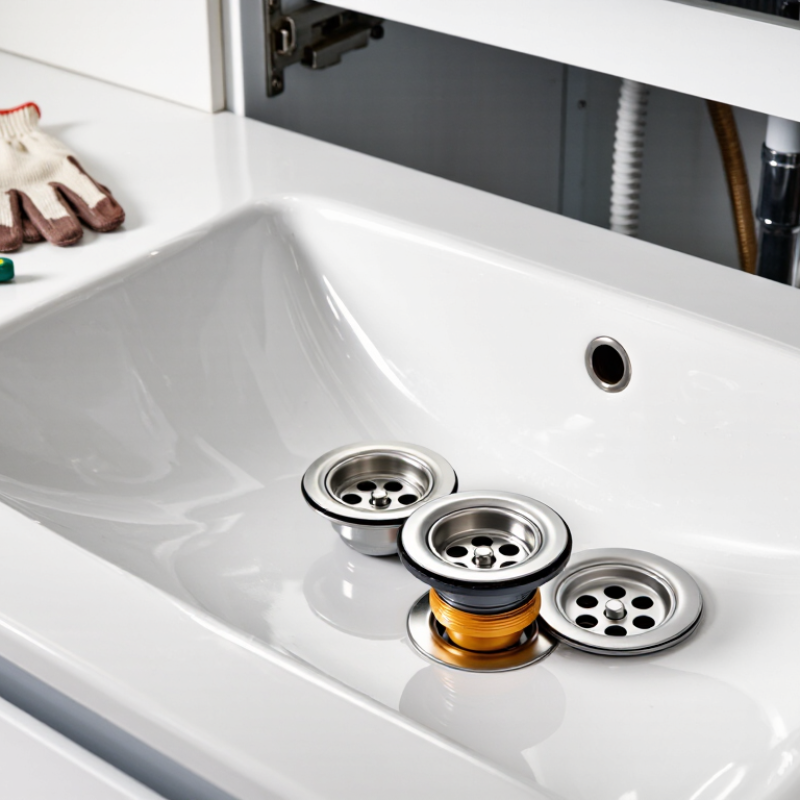
Understanding the Role and Types of Lavatory Drains
A lavatory drain carries basin water into the waste line, while helping control odors and overflow. Its fit affects more than appearance. A poorly matched drain can leak beneath the basin or leave standing water around the stopper. Small details matter.
The Water Research Foundation’s 2016 Residential End Uses of Water study estimated that faucets account for about 20% of indoor household water use. That is not a drain-performance figure, but it shows how often basin fixtures are used. Pop-up drains close with a lift rod; push-button models open with a press. Grid drains allow continuous flow and suit basins without a stopper. Each type has trade-offs. Moving parts can collect hair and soap residue, while a grid drain offers less control over holding water.
Check the basin’s drain-hole size, overflow opening, and mounting thickness before choosing. An overflow-style drain needs a basin with an overflow channel; a vessel basin may require a shorter or longer body. Match the tailpiece to the trap, too. A brushed finish can look right beside a faucet, but finish alone cannot prevent leaks. Material, gasket placement, and careful tightening matter. Selection is not always obvious, especially when an older basin has unusual dimensions. Measure twice; still, a dry test fit is worth doing before sealing.
Why Choose the Right Lavatory Drain for Your Project?
Compare two nominal waste connection sizes commonly encountered in plumbing projects. The millimeter values are inch-to-millimeter conversions; actual fixture and fitting compatibility should be verified before installation.
Project tip: Check the basin outlet, drain assembly, and trap connection specifications together. A matching nominal size helps avoid compatibility issues, but the required drain type also depends on the basin design and overflow configuration.
Matching Drain Designs to Sink and Plumbing Configurations
Matching a lavatory drain to the sink begins with the basin’s outlet, not its finish. Check whether the sink has an overflow channel. A drain with overflow openings must not be paired with a basin that lacks one, or water may escape through the exposed openings. The reverse mismatch can block the sink’s overflow path. Small detail. Big consequence.
Drain style should suit how the basin is used. A pop-up drain offers a stopper for filling the sink, while a grid drain allows water to flow continuously. Vessel sinks often leave the drain visible, so proportion and finish matter, but fit matters more. Measure the outlet diameter, basin thickness, and available clearance beneath the sink. A drain that looks right on a drawing may have a tailpiece that is too long for the installed trap.
Then compare the drain’s tailpiece with the sink height and existing plumbing. Check the trap location, thread size, and room for hand access during installation. On a tight vanity, a bulky stopper mechanism can interfere with drawers or supply lines. I would recheck those clearances before ordering; measurements can be easy to misread. Follow the sink and drain instructions, and confirm compatibility with the plumbing layout on site.
Comparing Drain Materials, Finishes, and Performance
Why Choose the Right Lavatory Drain for Your Project?
Comparing Drain Materials, Finishes, and Performance
A lavatory drain must fit the basin, trap, and expected flow—not just match the faucet. Solid brass is sturdy and easy to service; stainless steel offers good corrosion resistance, while polymer can reduce cost. Check the material of hidden parts, too. A polished finish may look crisp, but water spots and scratches can show quickly. Small details matter.
Flow data helps put performance in context. The U.S. EPA’s WaterSense Specification for Faucets sets a maximum flow of 1.5 gallons per minute at 60 psi for labeled bathroom faucets; the federal maximum is 2.2 gpm. These figures describe faucets, not drains, but they underline why drain shape, outlet size, and basin geometry should be considered together. ASME A112.18.2/CSA B125.2 provides a relevant standard for plumbing waste fittings. Still, a compliant part can disappoint if the basin’s overflow or tailpiece connection is incompatible.
Tips: Measure the outlet and overflow before ordering. Compare the exposed finish under the room’s actual lighting, and check cleaning guidance for coated surfaces. Mineral-rich water can leave marks. A costly finish is not automatically the most practical choice.
Why Choose the Right Lavatory Drain for Your Project? - Comparing Drain Materials, Finishes, and Performance
| Comparison factor | Brass drain | Stainless-steel drain | Plastic drain |
| Typical strengths | Rigid construction and a substantial feel; commonly used for visible bathroom fittings. | Good resistance to corrosion; performance depends on the stainless-steel grade and the installation environment. | Lightweight and generally resistant to corrosion from water; often an economical choice. |
| Points to consider | Alloy composition and finish quality vary. Some brass alloys may be affected by water chemistry or unsuitable cleaning products. | Can cost more than plastic; lower-grade steel may be less resistant to staining or corrosion in harsh conditions. | Usually less rigid than metal and may be more vulnerable to damage from excessive force or high temperatures. |
| Common finishes or appearance | May be offered with polished chrome, brushed finishes, or other decorative surface treatments. | Often has a brushed or polished metal appearance; some products use an additional surface coating. | Often supplied in white or neutral colors; visible finish options vary by product. |
| Finish and maintenance | Wipe with a soft cloth and mild cleaner. Avoid abrasive pads that can scratch or wear the surface treatment. | Clean regularly with a non-abrasive cleaner; avoid chlorine-based or harsh chemicals unless the manufacturer permits them. | Usually easy to clean with mild soap and water; avoid solvents or abrasive products that may damage the surface. |
| Drainage performance | Material alone does not determine drainage speed. The drain opening, stopper design, pipe size, installation, and plumbing layout all affect flow and drainage. |
| Best suited to | Projects prioritizing a robust metal fitting and a coordinated decorative finish. | Projects seeking a metal option with corrosion resistance appropriate to the selected grade and conditions. | Budget-conscious installations where a lightweight, corrosion-resistant drain is suitable. |
| Selection check | Confirm the drain type, basin opening, overflow arrangement, tailpiece connection, and local plumbing requirements before purchase. Check product specifications for material, finish, and compatibility. |
Note: Decorative finishes are surface treatments and do not necessarily indicate the drain’s base material.
Checking Installation Requirements and Local Plumbing Codes
Why Choose the Right Lavatory Drain for Your Project?
Checking Installation Requirements and Local Plumbing Codes
Before choosing a lavatory drain, check the sink’s outlet size, basin depth, and mounting style. These details affect drain compatibility and the space available beneath the counter. Measure the distance from the drain opening to the wall and note any drawers, shelves, or pipes in the way. A fitting that looks right in a catalog may not clear a shallow vanity.
Small detail.
Local plumbing codes may set requirements for traps, drain connections, venting, and access for maintenance. Rules can differ between towns, and older buildings may have unusual layouts. Check with your local building department or a qualified plumbing professional before ordering parts. If a permit or inspection is required, confirm that early; replacing a drain can expose work that needs correction.
That matters.
Also check whether the drain assembly suits the basin’s overflow opening. A mismatch can cause leakage or prevent proper drainage. Keep the manufacturer’s installation instructions and product dimensions available during planning, but don’t treat them as a substitute for local code guidance. I’d allow extra room under the sink for tightening connections and future cleaning; it is easy to underestimate how cramped that space feels once the basin is installed.
Selecting a Drain for Project Needs, Budget, and Maintenance
A lavatory drain should fit the basin, trap, and maintenance plan—not just the finish schedule. Check whether the sink has an overflow, confirm the drain opening and tailpiece dimensions, and make sure the trap connection leaves room beneath the vanity. A pop-up stopper is convenient, but hair and soap can collect around its linkage. A removable stopper or accessible cleanout may be easier to service in a busy washroom. Small details matter.
Budget for access and upkeep, not only the purchase price. Houzz’s 2024 U.S. Bathroom Trends Study reported a $25,000 median spend for major bathroom remodels in 2023, up 11% from 2022. That figure covers whole projects, not drains, but it shows how quickly small fixture choices sit inside a larger budget. Compare material durability, replacement-part availability, and how easily the drain can be cleared. EPA WaterSense estimates household leaks waste nearly 10,000 gallons of water annually; supply leaks are different from drain clogs, yet both make routine wet-area checks worthwhile. I would not choose the cheapest assembly without checking service access. Easy to overlook. A cramped cabinet can turn a simple cleaning job into an awkward repair.