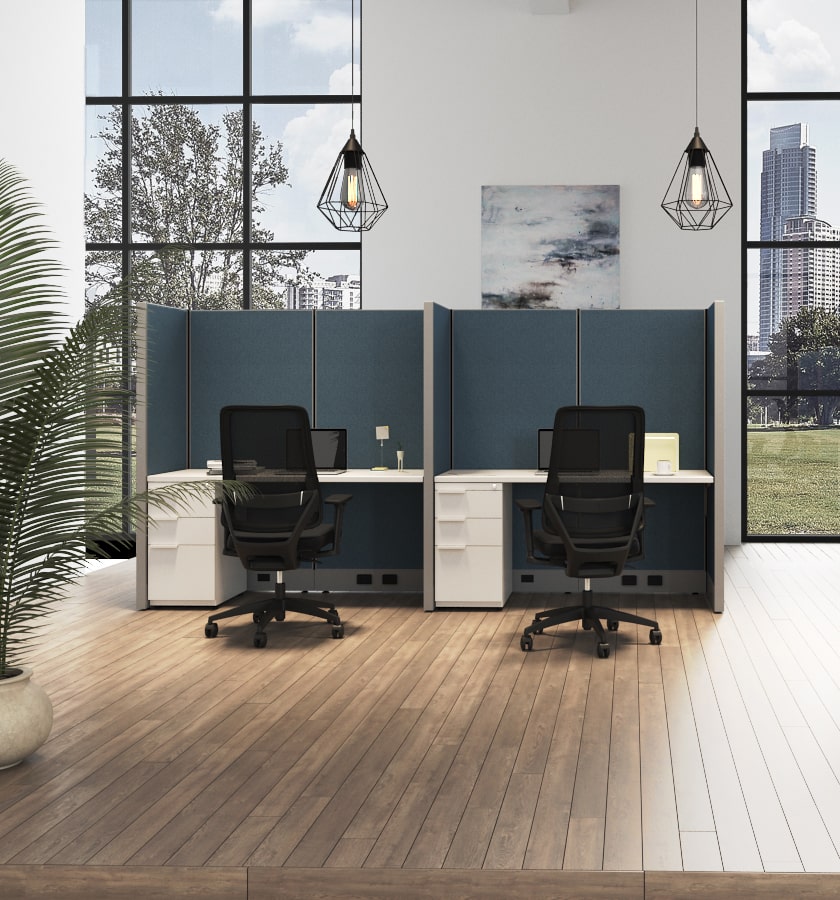
What is Corporate Furniture and Why is it Important?
Corporate furniture plays a vital role in shaping corporate environments. It influences employee productivity, comfort, and overall company image. According to a recent report by MarketsandMarkets, the global corporate furniture market is expected to reach $202 billion by 2026, driven by the growing need for functional and aesthetic office spaces.
Expert Jane Smith, a leading figure in the corporate furniture industry, emphasizes, "The right corporate furniture can enhance a company’s culture and improve employee satisfaction." This highlights the importance of investing in well-designed furniture that meets both functional and aesthetic demands of modern workplaces.
However, many businesses overlook the impact of corporate furniture on their operations. Choosing cheap or unsuitable designs can lead to discomfort and decreased productivity. Vigilant assessment of furniture needs can foster a more efficient working environment. In today’s competitive market, businesses must consider how corporate furniture can reflect their brand identity and values.
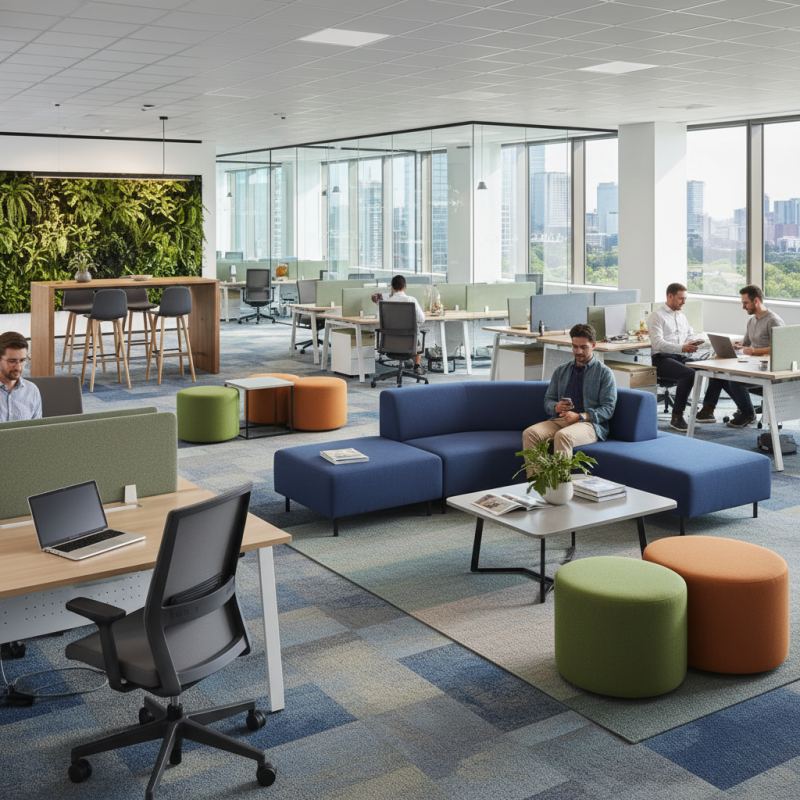
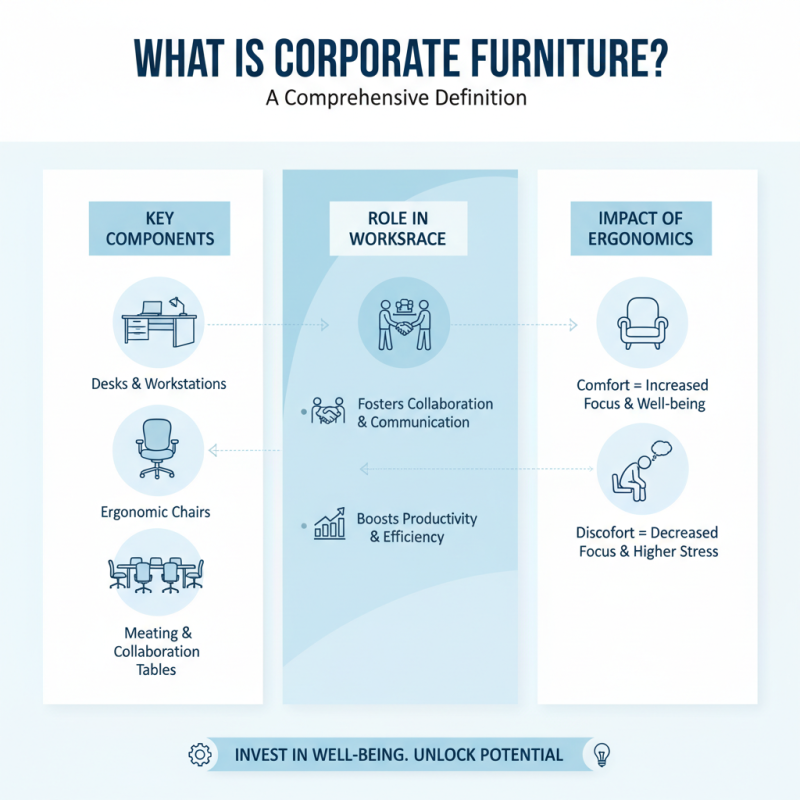
What is Corporate Furniture: A Comprehensive Definition
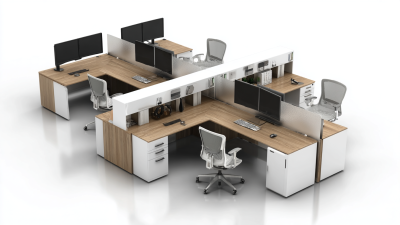
Corporate furniture plays a crucial role in shaping the atmosphere of a workspace. It includes items like desks, chairs, and meeting tables. The right furniture facilitates collaboration and boosts productivity. Employees spend hours at their desks, so comfort is essential. Yet, many offices underestimate this aspect. Uncomfortable seating can lead to decreased focus and higher stress levels.
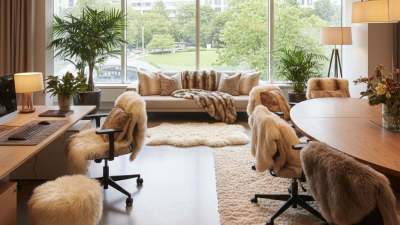
The design of corporate furniture is also important. It reflects the company’s brand and culture. A modern, sleek workspace can attract talent. However, striking a balance between aesthetics and functionality can be difficult. Some might prioritize style over comfort. This choice often results in an unproductive environment. It's worth considering how furniture choices affect daily operations and employee morale. Thoughtful selection can greatly enhance the overall experience in the workplace.
The Role of Corporate Furniture in Workplace Productivity and Employee Well-being
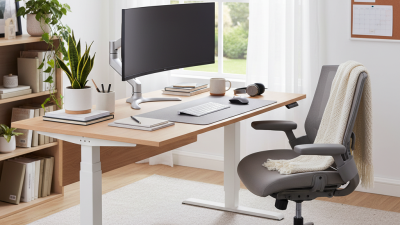
Corporate furniture plays a crucial role in shaping workplace productivity and employee well-being. When employees sit in ergonomic chairs, they experience greater comfort. This can prevent fatigue during long hours of work. Desks that adjust to standing or sitting can also enhance focus and energy levels. Comfortable environments boost creativity and reduce stress.
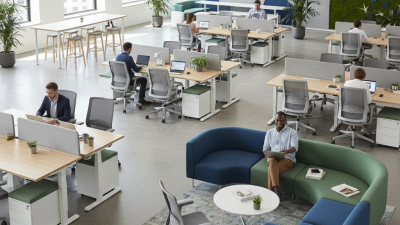
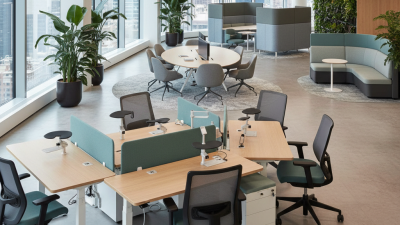
Moreover, the aesthetics of corporate furniture matter. A well-designed workspace can inspire teamwork. Open spaces with collaborative furniture encourage communication among colleagues. However, it's essential to strike a balance between style and functionality. Some businesses may overlook practical needs in favor of trendy designs. This can result in discomfort or distractions.
Additionally, incorporating personal elements into the workspace can uplift morale. Allowing employees to customize their areas can foster ownership and pride. Yet, some companies may struggle with this approach, risking uniformity over individuality. It’s a fine line that requires careful consideration and flexibility to improve overall employee satisfaction and productivity.
What is Corporate Furniture and Why is it Important? - The Role of Corporate Furniture in Workplace Productivity and Employee Well-being
| Dimension |
Description |
Impact on Productivity (%) |
Impact on Employee Well-being (%) |
| Ergonomic Design |
Furniture that supports posture and reduces strain. |
15% |
20% |
| Flexibility |
Adaptable workspaces to accommodate different tasks. |
10% |
15% |
| Aesthetics |
Visually appealing furniture that enhances office ambiance. |
5% |
10% |
| Collaboration Areas |
Furniture design that encourages teamwork and discussion. |
12% |
25% |
| Storage Solutions |
Efficient storage options to reduce clutter. |
8% |
5% |
Industry Trends: Current Statistics on Corporate Furniture Market Growth
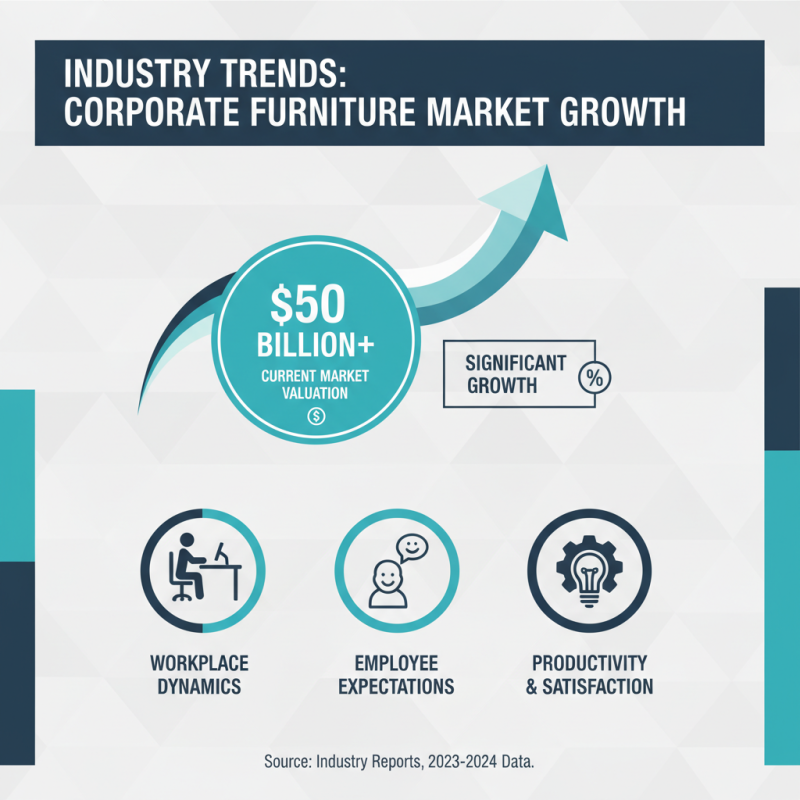
The corporate furniture market is experiencing significant growth. Recent statistics indicate it has reached a valuation of over $50 billion. This rapid expansion reflects changes in workplace dynamics and employee expectations. Companies are realizing that the right furniture can enhance productivity and employee satisfaction.
According to industry reports, the demand for ergonomic and customizable furniture is increasing. Over 70% of businesses plan to invest in these options. Modern designs are not just about aesthetics; they also influence collaboration and creativity. However, some companies still prioritize cost over quality, risking employee well-being.
Additionally, the shift toward remote work has changed how businesses approach office design. Many are downsizing physical spaces but investing more in flexible furniture solutions. Yet, a lack of understanding about these trends can lead to poor purchasing decisions. Sustainable materials are gaining traction, but not all businesses are adopting them. This inconsistency can hinder market growth and sustainability initiatives.
Factors Influencing Corporate Furniture Selection in Modern Workplaces
Selecting corporate furniture involves multiple factors that can influence workplace productivity and employee satisfaction. Studies show that 68% of employees believe a well-designed workplace enhances their performance. Comfort is critical. Ergonomic furniture can reduce health issues and improve focus, yet many offices overlook this aspect. Simple chairs may not support employee well-being.
Another factor is flexibility. Open-plan designs are popular. However, they can create noise and distractions. According to industry reports, 55% of workers prefer spaces that include quiet areas. Incorporating collaborative furniture can foster teamwork. A blend of private and shared spaces is essential.
Aesthetics also matter. Contemporary designs can elevate a brand's image. However, too much focus on style might compromise functionality. It’s easy to get overwhelmed by trends. Balancing looks and practicality is crucial. Companies must reflect on their choices. After all, the right furniture can enhance both culture and efficiency.
Sustainability in Corporate Furniture: Eco-friendly Materials and Practices
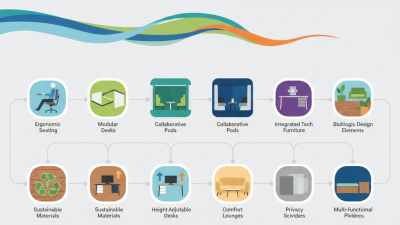
Sustainability in corporate furniture is becoming a priority. Eco-friendly materials are at the forefront of this movement. Reclaimed wood, bamboo, and recycled metals are popular choices. These materials help reduce waste and conserve resources. Choosing these options can make a big difference in a company's carbon footprint.
However, not all companies prioritize sustainability in their furniture choices. Some still use harmful materials that contribute to environmental degradation. The office furniture industry faces criticism for its impact on the planet. It's essential for businesses to reflect on their practices. By choosing eco-conscious options, they can promote a healthier office environment.
Moreover, sustainable practices go beyond materials. Companies can adopt environmentally friendly manufacturing processes. This might include reducing energy consumption or minimizing waste during production. Creating a sustainable workplace is a journey. It requires commitment and ongoing effort. While progress is being made, there's still much work to be done.
Sustainability in Corporate Furniture: Eco-friendly Materials Usage