10 Essential Tips for Choosing the Best Work Desks for Home Office
Creating an effective home office relies heavily on the choice of work desks. Experts emphasize the importance of comfort and functionality in this decision. According to Jane Smith, a leading ergonomic specialist in the work desks field, "The right desk can transform your workspace into a haven of productivity."
Choosing the best work desks involves considering your unique needs. It is not just about aesthetic appeal. Measurements, materials, and adjustability matter. Smith advocates for custom solutions. “A desk should adapt to you, not the other way around,” she notes.
However, many people overlook key aspects. They may choose a desk based solely on appearance. This can lead to discomfort and reduced efficiency. A desk that doesn't suit your height or work habits can be detrimental. Think about how you sit, stand, and move at your workstation. Investing time in research and adjustments can greatly enhance your working environment.
Factors to Consider When Selecting a Home Office Desk
When selecting a home office desk, consider your workspace. Measure the available area. A desk too large can overwhelm a room. A desk too small may not meet your needs. Aim for a balance that supports productivity.
Ergonomics is crucial. Your desk height should allow your arms to rest comfortably. A poor setup can lead to strain. A desk with adjustable height offers flexibility. Switching between sitting and standing can improve comfort and focus. Choose materials that are durable yet appealing. A well-made desk enhances your workspace aesthetics and lasts longer.
Storage options should also be factored in. A desk with drawers can help minimize clutter. However, some may prefer an open design for a modern look. Think about what works best for you. Consider cable management solutions for a clean setup. Too many wires can create distractions. Your desk should promote a streamlined working environment, making it easier to concentrate.
The Importance of Desk Size and Space Planning
When designing a home office, desk size and space planning play crucial roles. A report from the Global Workplace Analytics indicates that a well-structured workspace can increase productivity by up to 20%. Choosing a desk that fits your space optimally can significantly affect your comfort and focus.
Small spaces require specific attention. For instance, a compact desk encourages organization. An oversized desk can overwhelm the area. Typically, a desk should allow for at least 24 inches of space per person. Many offices overlook this, leading to cramped workspaces. Moreover, abundant space helps maintain a clutter-free environment, which is essential for mental clarity.
Inadequate space planning results in a poorly functioning workspace. Insufficient legroom might discourage long hours of focused work. An effective layout should include areas for movement. According to the American Society of Interior Designers, nearly 70% of remote workers report having poorly designed home offices. A balance between aesthetics and functionality is necessary. Finding the right desk can create an inviting atmosphere while promoting well-being and efficiency.
Materials and Durability: Choosing the Right Desk Structure
When choosing a desk for your home office, pay close attention to
materials and durability. The structure of the desk directly influences its lifespan and functionality.
A solid wood desk offers timeless durability, but it may come with a higher price tag.
Metal frames provide excellent support and withstand heavy loads.
However, they can be cold to the touch.
Consider the environment where you work. If you have children or pets, a
scratch-resistant finish will be essential.
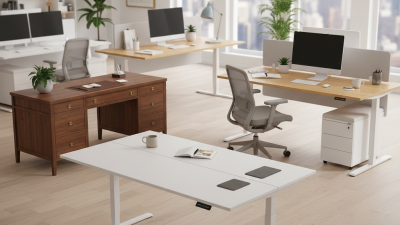
A mixed-material desk, like one with a wood top and metal legs, can balance style and strength.
This combination often resonates well with modern designs.
Always evaluate the weight capacity. A desk that can't bear the load of your devices may lead to frustrating problems.
Inspect joints and connections carefully to ensure they are securely constructed. A poorly made desk can cause instability over time.
Lastly, reflect on your workspace. Your desk should inspire productivity while being durable enough to endure daily use.
Ergonomics: How Desk Height Affects Comfort and Productivity
The height of your desk can significantly impact your comfort and productivity. An ergonomic desk should allow your elbows to rest at a 90-degree angle, which promotes better posture. According to a study by the Occupational Safety and Health Administration (OSHA), the right desk height can reduce neck and back strain. An improperly adjusted desk height can lead to discomfort and distract from work.
The American Chiropractic Association found that over 80% of people experience back pain at some point in their lives. This statistic highlights the importance of ergonomic considerations in a home office. A desk that is too high or too low forces the body into awkward positions. These positions can cause fatigue, reducing overall effectiveness. Often, people overlook how their workspace setup affects their daily performance.
It's also essential to consider individual height differences. A desk that suits one person may not work for another. Customization is key. Many professionals report that adjustable desks are a solution worth exploring. By allowing users to switch between sitting and standing, these desks promote movement. This added flexibility can increase focus and productivity in the long run. However, such adjustments may require monitoring to avoid adaptation challenges.
Impact of Desk Height on Comfort and Productivity
This bar chart represents the correlation between desk height, ergonomic comfort, and productivity levels. Optimal desk height enhances user experience and work efficiency.
Style and Aesthetics: Finding a Desk that Complements Your Home Office
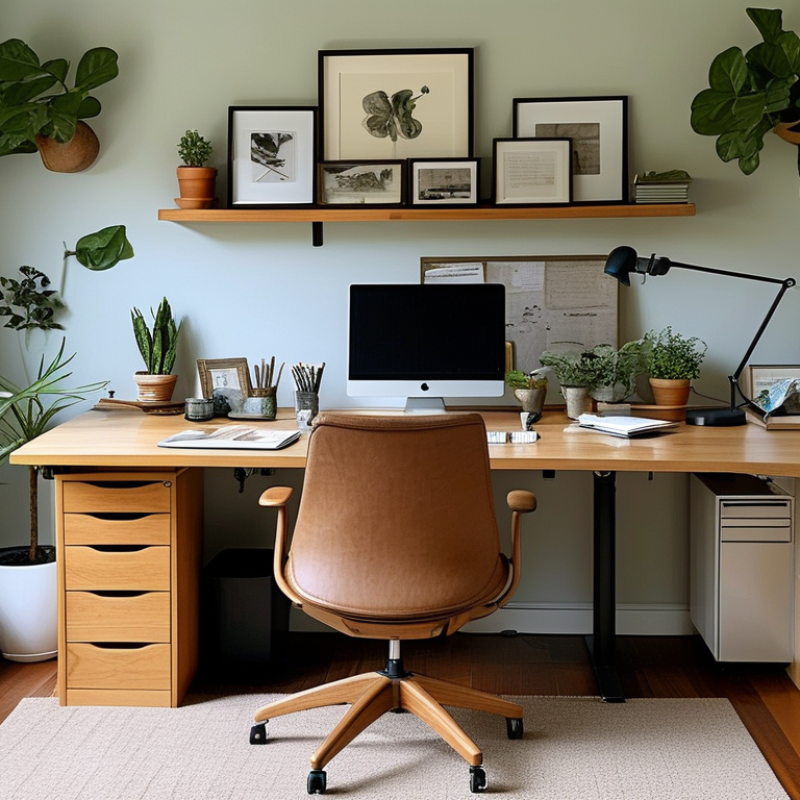
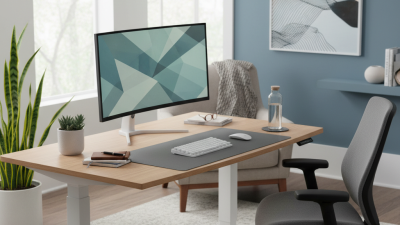
When selecting a desk for your home office, style and aesthetics play a critical role. A desk should reflect your personal taste while blending seamlessly with your existing decor. Consider the overall color scheme of your workspace. If your walls are a serene blue, a white or natural wood desk can enhance that calm feeling. Pay attention to material choices as well. A sleek metal desk may not suit a cozy, rustic aesthetic.
The desk's design should also promote your productivity. A minimalist desk with clean lines can create a sense of order, helping keep distractions at bay. Additionally, the desk's shape can influence the flow of your room. A corner desk can maximize space while offering a unique visual appeal. However, be wary of overwhelming your room with oversized furniture. Always measure your space beforehand to avoid awkward fits.
Lighting is another aesthetic aspect to consider. A desk placed near a window brings natural light, enhancing both mood and function. Be cautious about incorporating too many decorative items. Clutter can hinder focus and lessen the desk's visual impact. Finding the right balance between style and functionality may take trial and error. Embrace imperfections in your design journey; they often lead to more authentic spaces.