10 Essential Tips for Choosing the Right Business Furniture for Your Office?
Choosing the right business furniture is crucial for any office. The way an office is furnished can impact employee productivity and satisfaction. According to a report by Steelcase, office design affects productivity by up to 30%. Furniture that is ergonomically designed can improve comfort and reduce health issues among workers.
In the evolving corporate landscape, the importance of business furniture has increased. A well-designed workspace can foster collaboration and creativity. However, many companies still overlook this critical aspect. They may choose office furniture based solely on aesthetics or budget. This can lead to poor choices that negatively impact employee morale and efficiency.
Investing in quality business furniture is not just about looks. It's about creating an environment that supports the well-being of your team. Research by Haworth suggests that 41% of employees feel their workspace hinders their productivity. Reflection on these statistics is essential. The right furniture can enhance functionality and create a positive atmosphere. It's time to prioritize thoughtful selections in business furniture.
Understanding Your Office Space Requirements
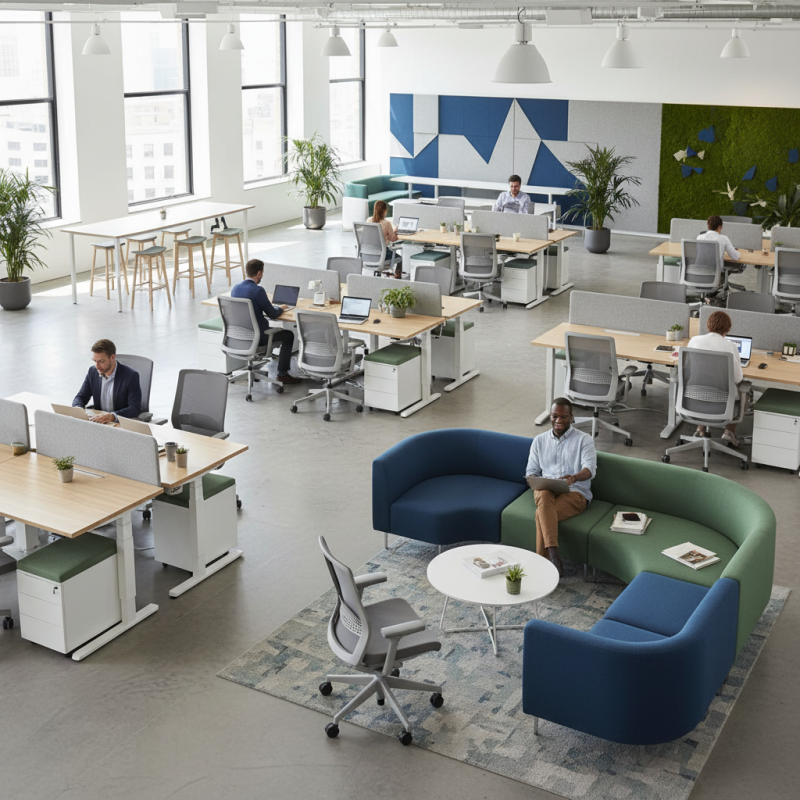
When selecting business furniture for your office, understanding your space is key. According to a study by the International Interior Design Association, proper furniture arrangement can boost productivity by up to 30%. Space assessment is crucial. Measure your office dimensions carefully. Take note of entry points, natural light sources, and any potential obstructions. This can inform your choices and help avoid overcrowding.
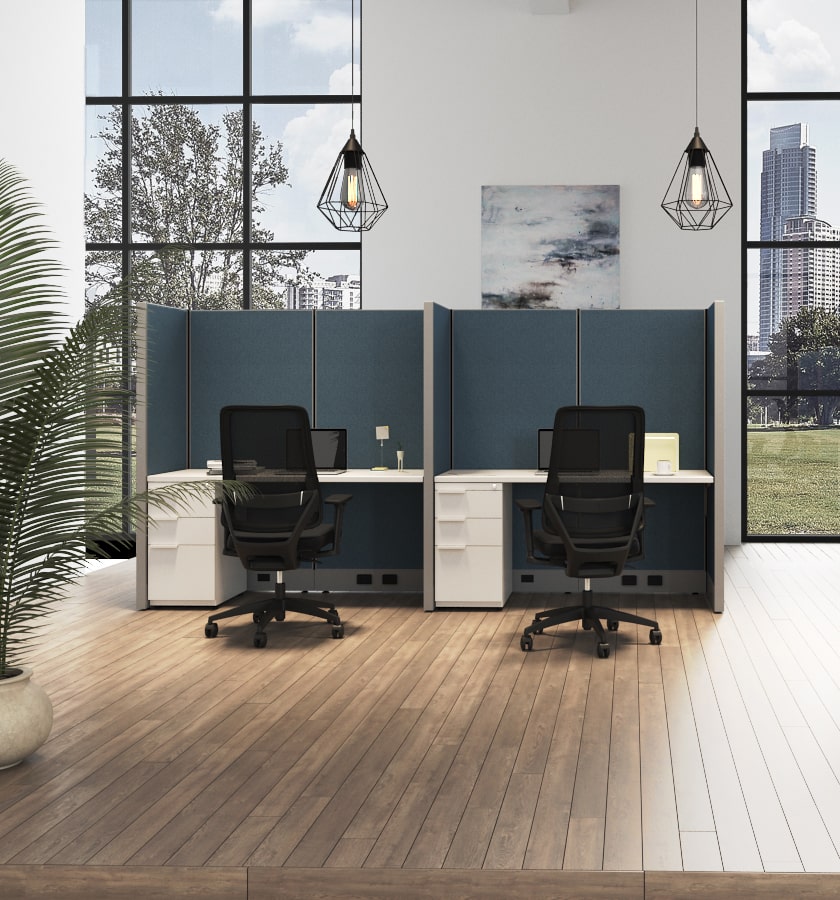
The layout of your workspace also plays a significant role. Open spaces encourage collaboration but can also lead to distractions. In contrast, private areas promote focus but may hinder communication. Many businesses overlook the balance between functionality and aesthetics. Research indicates that employees perform better in environments with comfortable and appealing furniture. Consider ergonomic designs, as they reduce workplace injuries. Yet, some firms still choose style over comfort. This can backfire, leading to fatigue and reduced efficiency. Always align furniture choices with the needs of your team to create an optimal work environment.
10 Essential Tips for Choosing the Right Business Furniture for Your Office
| Tip Number |
Tip Title |
Details |
| 1 |
Assess Your Space |
Measure your office space carefully to determine what will fit comfortably. |
| 2 |
Consider Ergonomics |
Choose furniture that supports good posture and reduces strain. |
| 3 |
Prioritize Functionality |
Select furniture that enhances productivity and meets the needs of your workflow. |
| 4 |
Choose Durable Materials |
Opt for high-quality materials that can withstand daily use. |
| 5 |
Think About Aesthetics |
Select styles that reflect your brand’s image and create a pleasant environment. |
| 6 |
Plan for Flexibility |
Choose modular furniture that can be easily rearranged to accommodate changes. |
| 7 |
Budget Wisely |
Set a realistic budget to avoid overspending while still meeting quality standards. |
| 8 |
Evaluate Storage Solutions |
Incorporate furniture that offers adequate storage to keep the office organized. |
| 9 |
Test Comfort |
Before purchasing, try out the furniture to ensure it meets comfort standards. |
| 10 |
Plan for Technology |
Ensure that furniture accommodates any necessary tech needs, like power outlets. |
Assessing Different Types of Business Furniture
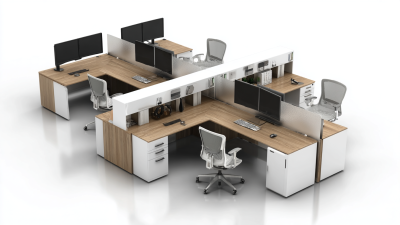
Choosing the right business furniture is crucial for fostering a productive work environment. Different types serve distinct purposes. For instance, ergonomic chairs promote health and comfort, reducing absenteeism. Desks should be spacious enough to accommodate computers and files, but not so large they overwhelm small offices. The material matters too; wood exudes professionalism, while metal offers a modern touch.
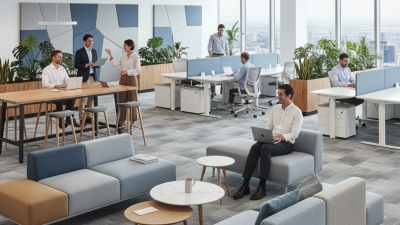
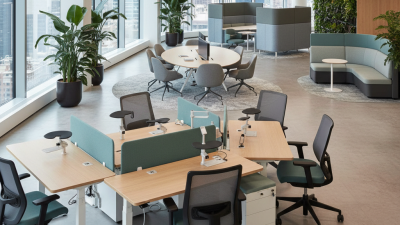
Consider the layout of your office. Open spaces may benefit from modular furniture that encourages collaboration. Conversely, private offices need furniture that allows for focus and privacy. Don’t forget about storage options. Cluttered spaces can hinder workflow. Open shelving can create a contemporary feel, but enclosed cabinets might be necessary for confidentiality. A balanced approach can help, but finding what works best is often an iterative process.
Reflecting on your choices is essential. Sometimes, what seems appealing initially may not fit the long-term vision of your workspace. Don’t rush this decision. Test different setups if possible. Spending time in an environment can reveal whether the furniture truly meets your needs. Every piece should enhance functionality while reflecting your brand’s identity. Think critically about your selections; they shape your office’s atmosphere.
Prioritizing Ergonomics for Employee Comfort
Choosing the right business furniture is crucial for creating a productive office environment. Prioritizing ergonomics is vital for employee comfort. Studies show that ergonomic workspaces can boost productivity by up to 17%. If your team feels good, they perform better. Proper support helps reduce pain and fatigue.
Consider adjustable chairs and desks. These allow employees to personalize their workspace. Giving them control can enhance their comfort. Employees spend about eight hours a day at their desks. Poor furniture can lead to chronic issues. Investing in comfort now can prevent higher healthcare costs later.
Lighting also matters. Natural light enhances mood. Office layouts should maximize this resource. Incorporate plants into the design for a calming effect. Ensure pathways are clear for safety and ease of movement. Reactive measures often come too late. It’s wise to think ahead about comfort and organization.
Employee Comfort and Ergonomics: Importance of Business Furniture
Budgeting for Quality and Longevity
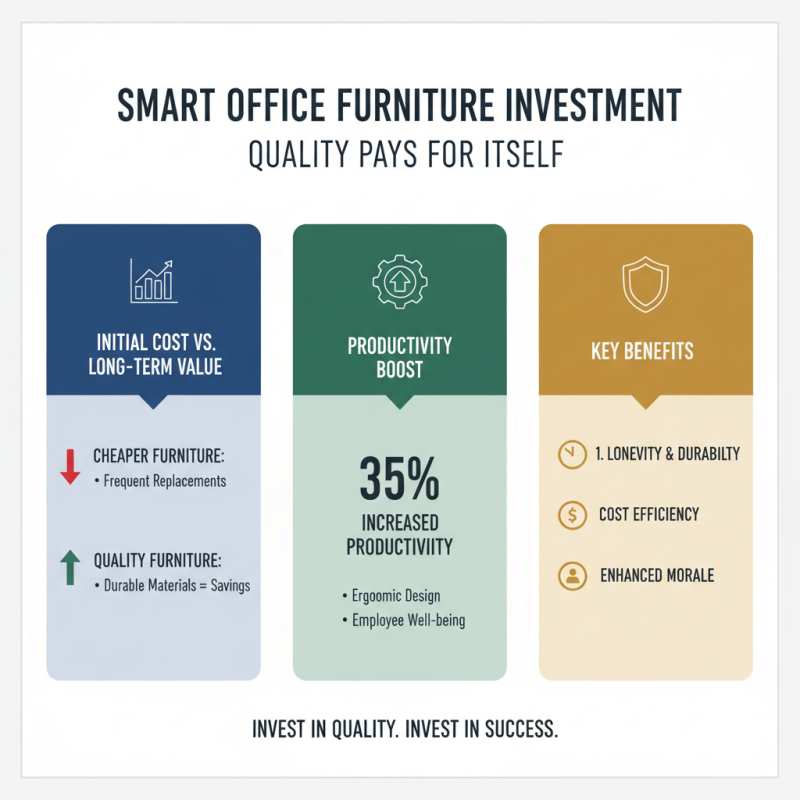
When budgeting for office furniture, quality and longevity should be top priorities. Research indicates that high-quality furniture can improve productivity by up to 35%. It’s essential to think beyond the initial purchase price. Investing in durable materials often leads to long-term savings. Many businesses report that cheaper furniture tends to wear out quickly, leading to additional costs for replacements.
Choosing the right furniture also affects employee health and morale. Ergonomic chairs, for example, reduce the risk of back pain. A study showed that 60% of workers noticed increased comfort when using ergonomic options. Set aside a reasonable budget for these crucial items. A well-planned investment can lead to fewer sick days and happier workers.
Many companies overlook maintenance costs. Even a seemingly affordable option can accumulate expenses over time. Regular care is vital, yet many underestimate this factor. Not considering the long-term effects can lead to high expenses down the line. Reflecting on these aspects is crucial for making informed decisions in the office furniture selection process.
Incorporating Aesthetic and Functional Design Elements
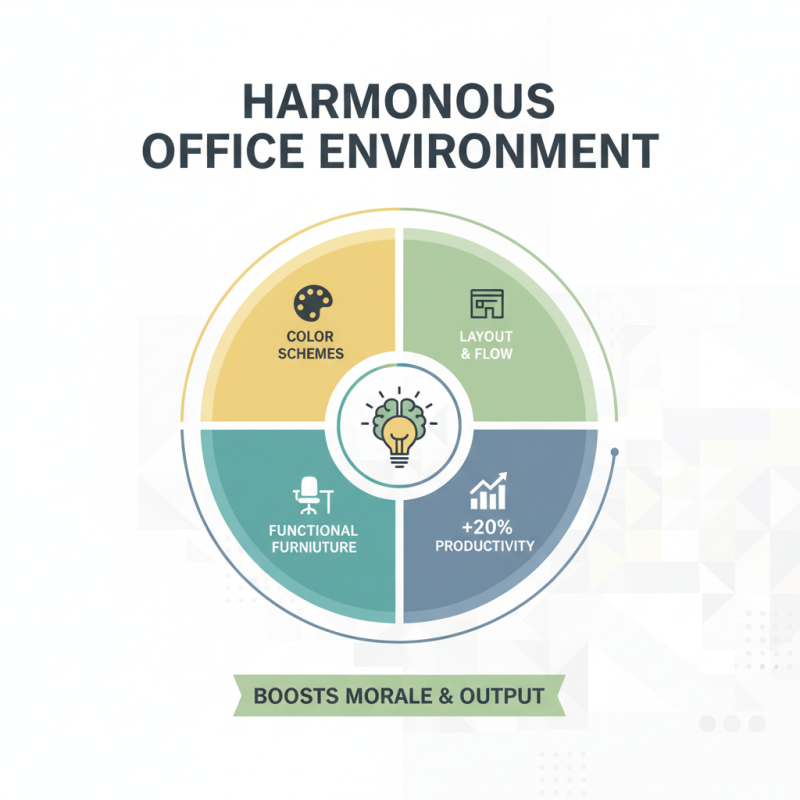
Creating a harmonious office environment involves blending aesthetic appeal with functionality. A well-designed office can boost employee morale and productivity. Studies show that a pleasing workspace improves productivity by up to 20%. Color schemes, layout, and furniture choices all play a role in creating a vibrant atmosphere.
When selecting furniture, consider ergonomic designs. Chairs that support the spine can prevent long-term health issues. Desks at the right height enhance comfort. In fact, research indicates proper ergonomics can reduce workplace injuries by 60%. This balance between form and function is essential for a productive workspace.
Incorporating natural elements, like plants, can enhance the office's look. Greenery has been shown to increase creativity and reduce stress. However, it's essential to keep the office clutter-free. A messy space can lead to distraction and decreased efficiency. The key is to create an office that resonates with your brand while supporting daily tasks.