Top Furniture Work Tips for Creating Beautiful and Functional Spaces
In the realm of interior design, transforming spaces into both beautiful and functional environments is an art form that requires expert knowledge and a keen eye for detail. According to Jane Smith, a renowned expert in the furniture work industry, "The key to creating a cohesive space lies in understanding how furniture can enhance both aesthetics and usability." This insight underscores the importance of thoughtful furniture selection and arrangement, which can dramatically impact the overall feel and efficiency of a space.
As we delve into the top furniture work tips for crafting stunning and practical areas, it becomes essential to consider the interplay of color, texture, and layout. By integrating these elements, designers can not only elevate the visual appeal of a room but also enhance its functionality, making it more inviting and productive. The right furniture choices can cater to various needs, whether it’s creating a cozy reading nook or a professional workspace that inspires creativity.
Through expert advice and strategic design techniques, this guide aims to illuminate the path towards achieving harmoniously designed spaces that reflect personal style while serving practical purposes. Embracing the principles of effective furniture work will empower you to create environments that are not only beautiful but also tailored to enhance everyday living.

Understanding the Importance of Functional and Aesthetic Furniture
When designing a space, the interplay between functionality and aesthetics in furniture is crucial. Functional furniture serves its purpose well, offering practical solutions such as ample storage, adaptability, and comfort. For instance, a coffee table that doubles as a storage unit not only keeps living spaces tidy but also enhances convenience. Similarly, modular sofas provide flexibility for rearranging layouts, making them ideal for both cozy evenings and entertaining guests. Prioritizing functionality ensures that the furniture aligns with the daily living needs of the inhabitants.
On the other hand, aesthetic appeal cannot be overlooked, as it greatly influences the ambiance and emotional response to a space. Choosing furniture pieces that reflect personal style while harmonizing with the overall decor creates a cohesive environment. Color, texture, and form play vital roles in establishing this atmosphere; for example, a striking accent chair can serve as a focal point, drawing attention while complementing surrounding elements. Striking a balance between functionality and aesthetics in furniture ensures that spaces are not only livable but also enjoyable, leading to a more enriching experience for those who inhabit them.
Top Furniture Work Tips for Creating Beautiful and Functional Spaces
| Tip |
Description |
Importance |
Example |
| Choose Multi-Functional Furniture |
Select pieces that serve more than one purpose to maximize space. |
High |
Sofa beds, storage ottomans |
| Consider Scale and Proportion |
Ensure furniture size is suitable for the space to promote flow. |
Medium |
Small chairs for compact rooms |
| Select Timeless Designs |
Opt for classic styles that won’t go out of fashion quickly. |
High |
Mid-century modern furniture |
| Incorporate Natural Materials |
Use wood, stone, or metal to create a warm and inviting environment. |
High |
Wooden dining tables, stone coffee tables |
| Mix Textures and Colors |
Combine different materials and hues to create visual interest. |
Medium |
Leather sofa with fabric pillows |
| Plan Layout for Functionality |
Design the space considering how it will be used daily. |
High |
Open layout for entertaining |
Assessing Your Space and Identifying Key Functional Areas
Assessing your space is the first critical step in creating a beautiful and functional environment. Begin by taking a close look at the dimensions and layout of the room. Measure the length, width, and height of the space to get an accurate understanding of what can fit comfortably. Consider the natural flow of the room; pathways should be clear and movement unimpeded. This evaluation helps you understand the inherent strengths and limitations of your space, allowing for more informed decisions down the line.
Once you've assessed the space, identify key functional areas that will serve your everyday needs. Think about how the room will be used: will it be a gathering place for friends and family, a quiet retreat for reading, or a productive workspace? Designate specific zones within the room for different activities, ensuring that each area is equipped with appropriate furniture and decor to enhance usability. By prioritizing functionality alongside aesthetics, you cultivate a harmonious environment where beauty and practicality coexist seamlessly.
Top Furniture Work Tips for Creating Beautiful and Functional Spaces
Choosing the Right Materials for Durability and Style
When designing beautiful and functional spaces, choosing the right materials is crucial for achieving
durability and style. According to the
"2022 State of the Furniture Industry" report, nearly
70% of consumers prioritize material quality when selecting furniture, indicating a strong preference for items that not only look good but also
withstand the test of time. Key materials such as hardwood,
metal, and high-grade upholstery are popular choices for their durability and aesthetic appeal.
For instance,  hardwood, known for its resilience, can last several decades, making it a wise investment for both
residential and commercial spaces.
hardwood, known for its resilience, can last several decades, making it a wise investment for both
residential and commercial spaces.
Moreover, the rise in eco-conscious consumers has led to an increased demand for sustainable materials.
A study by the American Home Furnishings Alliance found that
45% of consumers are willing to pay more for sustainable furniture options.
Materials like bamboo and recycled metals not only meet durability standards but also contribute positively to the environment.
By utilizing these materials, designers can create spaces that are not only visually appealing and lasting but also align with the growing trend of sustainability in furniture design.
This deliberate choice of materials plays a pivotal role in transforming ordinary spaces into extraordinary environments that reflect both
personal style and responsible living.
Arranging Furniture for Optimal Flow and Accessibility
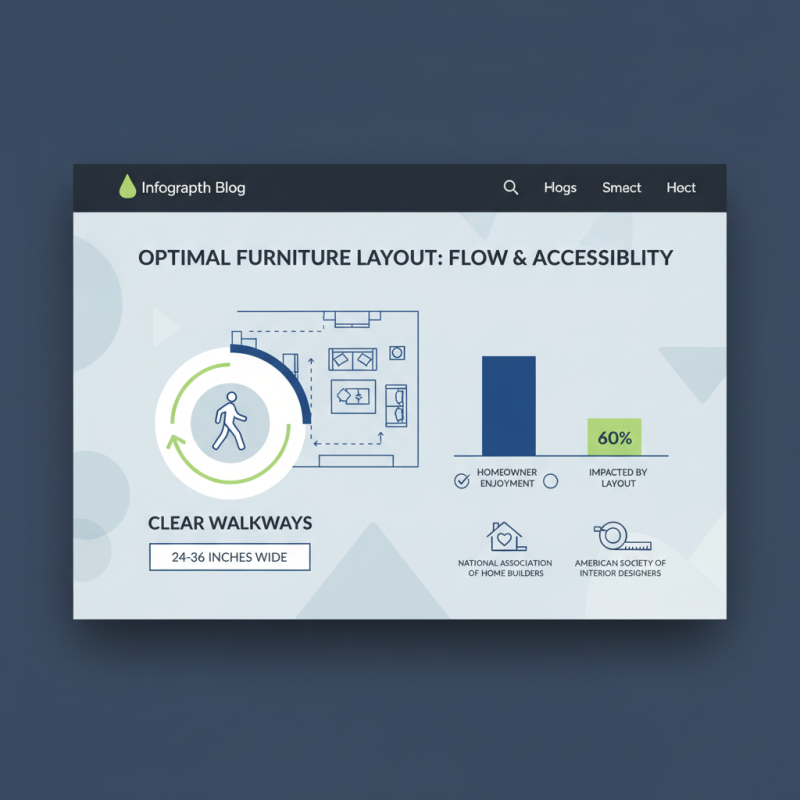
Arranging furniture for optimal flow and accessibility is essential in creating spaces that are both beautiful and functional. According to the National Association of Home Builders, nearly 60% of homeowners indicate that the layout of a room significantly impacts their enjoyment of the space. When designing a layout, it’s crucial to prioritize the movement pathways—ensuring that there are clear routes for people to navigate comfortably. Ideally, walkways should be at least 24 to 36 inches wide to allow for free movement and easy access to seating and essential areas, as reported by the American Society of Interior Designers.
Another key aspect is to consider the scale and proportion of furniture in relation to the room size. An oversized sofa in a small living room can create a sense of constriction, while appropriately sized pieces can enhance the flow and make the space feel inviting. The National Kitchen and Bath Association suggests that creating zones within open spaces—like separating dining areas from living spaces—can significantly improve functionality. By strategically placing furniture to delineate these zones while maintaining accessibility, homeowners can create distinct areas that foster both conversation and movement, ensuring the space serves its purpose without feeling crowded.
Incorporating Personal Touches for a Beautifully Customized Space
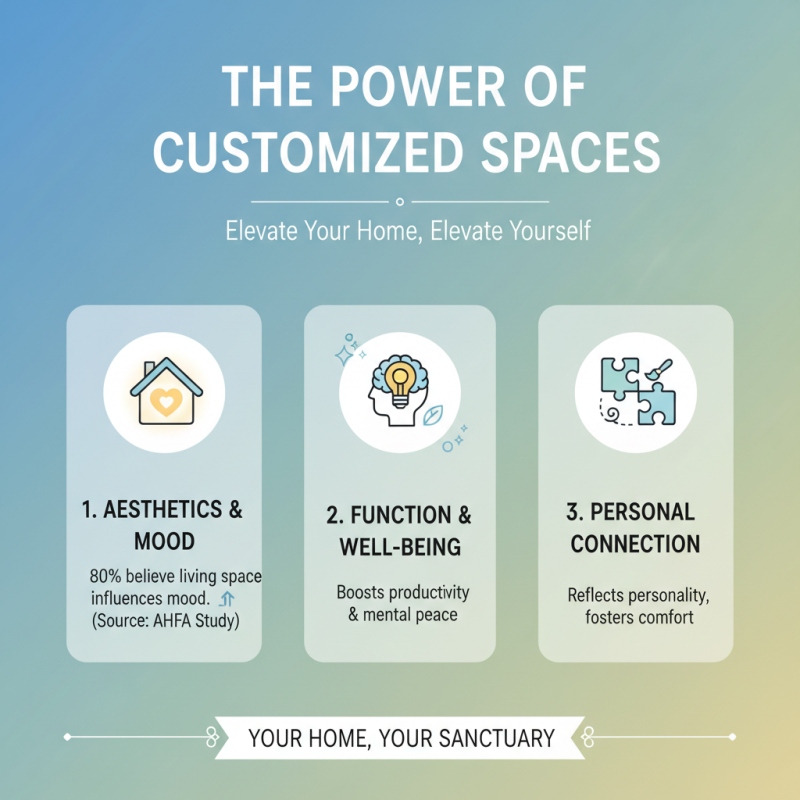
Creating beautifully customized spaces is essential not just for aesthetics but also for enhancing functionality and personal well-being. According to a study by the American Home Furnishings Alliance, 80% of consumers believe that their living space influences their mood and productivity. Incorporating personal touches, such as family heirlooms or unique artworks, can contribute to a home’s character, reflecting the inhabitants’ personalities and experiences. This customization fosters emotional connections to the space, thus creating an environment that feels both inviting and inspiring.
A report by the National Kitchen and Bath Association highlights that personalized design choices can increase satisfaction in home remodeling projects. Features like personalized color schemes or custom furniture arrangements provide a blend of beauty and function, allowing homeowners to maximize the utility of their spaces while also keeping them visually appealing. Simple details, such as adding decorative cushions or including plants with personal significance, can make any area feel special. This trend of prioritizing individuality in design aligns with the growing demand for wellness-focused spaces, underscoring the importance of creating environments that are both appealing and supportive of an uplifting lifestyle.