What is Office Equipment and Its Importance in Modern Workplaces?

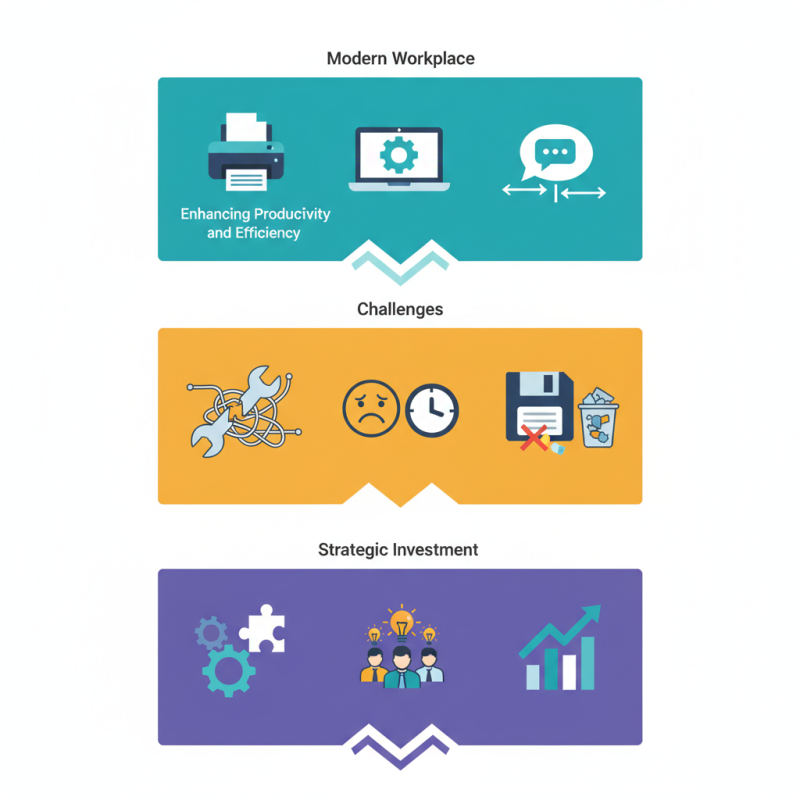
In today's fast-paced business environment, office equipment plays a crucial role in enhancing productivity and efficiency. From printers to computers, these tools are vital for everyday tasks. They help streamline processes and improve communication among team members.

However, the reliance on office equipment also has its drawbacks. Technical issues can disrupt workflow, causing frustration and delays. Additionally, not every piece of equipment meets the needs of the workplace. Some items may become obsolete quickly, leading to waste and unnecessary expenses.

Despite these challenges, choosing the right office equipment is essential. It should not only meet current demands but also adapt to future needs. Effective office equipment fosters collaboration and creativity, enabling teams to reach their full potential. Reflecting on these aspects can help businesses make better investment decisions.
What is Office Equipment and Its Importance in Modern Workplaces?

Definition and Types of Office Equipment Used in Modern Workplaces
What is Office Equipment and Its Importance in Modern Workplaces?

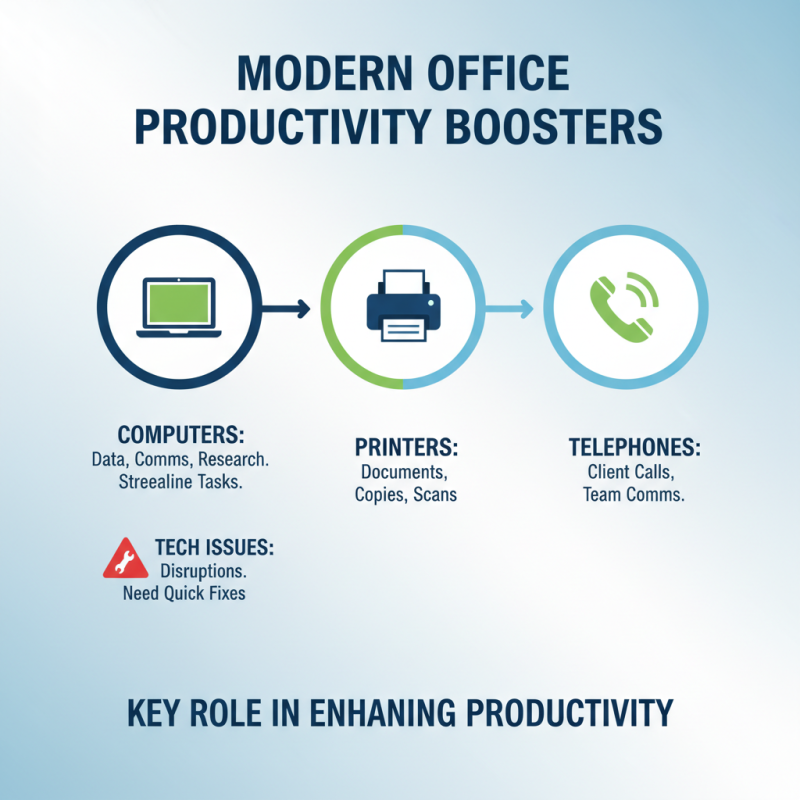
In modern workplaces, office equipment plays a crucial role in enhancing productivity. This equipment encompasses various items, including computers, printers, and telephones. Computers are essential for tasks like data entry, communication, and research. They streamline everyday operations, yet technical issues can disrupt workflow, requiring quick fixes.

Printers and copiers help produce materials needed for meetings and presentations. While they are vital for documentation, maintenance can be tedious. Regular paper jams or ink shortages can lead to frustration and delays. Moreover, office furniture, such as desks and chairs, contributes to employee comfort. Poor ergonomics can affect health, prompting the need for better solutions.

Other items like projectors and whiteboards are integral for collaborative work. They facilitate brainstorming and sharing ideas among teams. However, a lack of proper training can hinder effective use. Just having the equipment isn’t enough; understanding how to leverage it fully is essential for maximizing its potential.

The Role of Office Equipment in Enhancing Workplace Productivity

Office equipment plays a vital role in modern workplaces. It includes tools like printers, scanners, and computers. These items streamline various tasks. For example, a good printer can save time on document production. Without it, employees might waste hours waiting in line. Scanners digitize documents, reducing clutter and enhancing accessibility.

However, reliance on office equipment has its downsides. Frequent breakdowns can disrupt workflows. Employees may feel frustrated when equipment fails. Costs for maintenance can also strain budgets. Moreover, over-dependence on technology can lead to a decline in traditional skills. It’s important to maintain a balance. Workers should still hone their fundamental abilities.

Creating an efficient workspace involves careful choice of equipment. Investing in quality tools can boost productivity, but it often requires a learning curve. Employees need proper training to maximize functionality. While office equipment enhances productivity, its shortcomings remind us that human adaptability is vital in the workplace.

What is Office Equipment and Its Importance in Modern Workplaces?

Office Equipment Function Importance Impact on Productivity
Printers Produce hard copies of documents Essential for documentation and communication Improves efficiency in document handling
Computers Facilitate data processing and communication Core to modern operations and workflows Increases overall productivity across tasks
Photocopiers Copying and distributing documents Vital for large document duplication needs Streamlines the process of sharing information
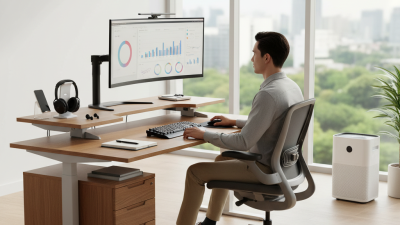
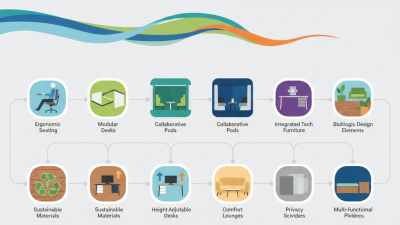
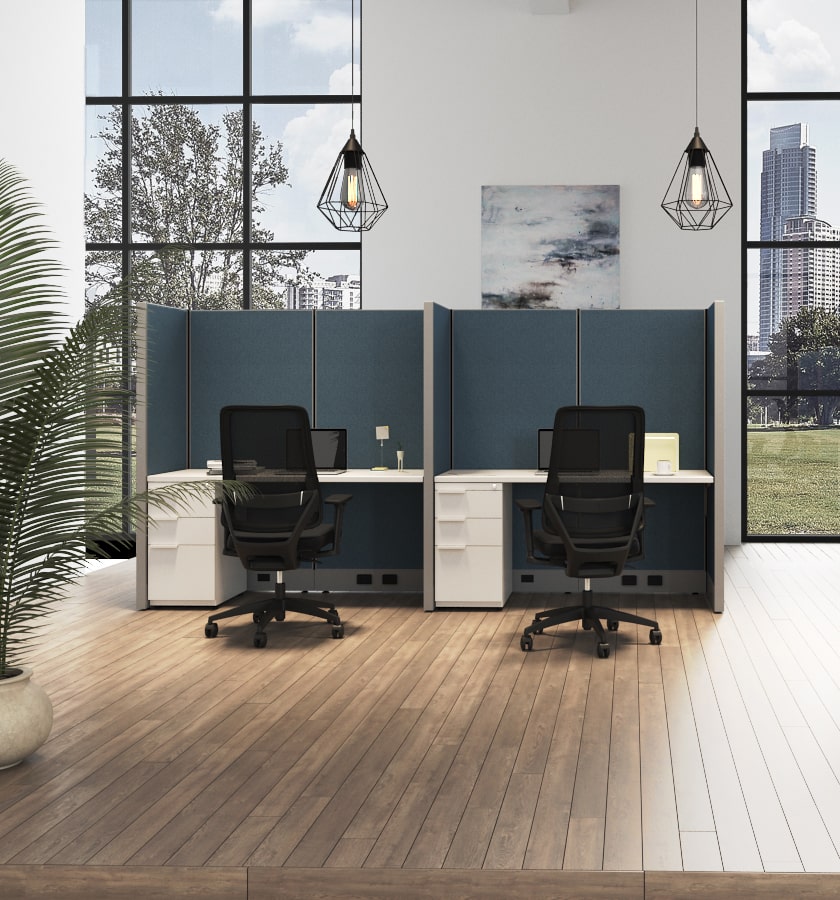
Office Furniture Provide space for work and collaboration Supports employee comfort and productivity Enhances focus and workflow efficiency
Telephones Facilitate communication Essential for internal and external connectivity Improves response time and coordination

Key Technological Advancements in Office Equipment

Key technological advancements in office equipment have significantly transformed modern workplaces. Innovations such as multifunctional printers enhance efficiency. These devices can print, scan, and fax. This reduces the need for multiple machines. Consequently, office space is utilized better.

Additionally, cloud technology has streamlined data management. Employees can access files from anywhere, promoting flexibility. However, this relies on stable internet connections. Connectivity issues can disrupt workflow. Emphasizing cybersecurity is crucial, as increased connectivity raises vulnerability.

Smart office equipment is another area of growth. Devices can analyze usage patterns, allowing for better resource management. Yet, the reliance on technology means that technical malfunctions can lead to delays. Employees should be trained to troubleshoot basic issues. Balancing technology with human oversight is essential in enhancing productivity.

Office Equipment and Its Importance in Modern Workplaces

This chart represents the distribution of various types of office equipment in modern workplaces, highlighting their importance and prevalence.

Maintenance and Care for Office Equipment in the Workplace

Proper maintenance of office equipment is crucial. Regular cleaning can prevent dust buildup. Dust can interfere with performance. Additionally, regular software updates help keep systems running smoothly. Outdated software may lead to vulnerabilities and bugs. It's often easy to overlook these simple tasks in a busy workplace.

Employees should be aware of common issues. For instance, paper jams can be an annoyance. Training staff on quick fixes can save time. Moreover, ensuring that equipment is used correctly is essential. Misuse is a frequent source of damage. It may seem trivial, but attention to detail matters.

Finally, setting a maintenance schedule can be beneficial. Routine check-ups help identify problems before they escalate. This can extend the life of the equipment. Ignoring signs of wear can lead to costly repairs. Being proactive is often better than being reactive. In the end, a little care goes a long way in maintaining office tools.

Impact of Office Equipment on Employee Satisfaction and Collaboration

Modern workplaces heavily rely on office equipment. This includes computers, printers, and communication tools. Research shows that 70% of employees believe the right tools enhance their performance. No one wants to struggle with outdated technology. It can lead to frustration and decreased productivity.

Investing in quality office equipment has a direct effect on employee satisfaction. A study indicated that companies that regularly upgrade their tools see a 20% increase in employee morale. Happy employees are more engaged and collaborative. Furthermore, collaboration tools can bridge communication gaps. They create a more connected team, even in hybrid environments.

Tips: Regularly evaluate your office equipment’s effectiveness. Gather employee feedback on what tools they find useful. Consider not only efficiency but also comfort and usability. Investing in ergonomic equipment can lower the risk of injuries. This is an essential consideration that not all companies prioritize. Balancing cost and functionality can be challenging but necessary.