Top 10 Office Fitouts Trends to Watch for in 2025
As we move closer to 2025, the landscape of office design is undergoing significant transformations driven by evolving work habits, technological advancements, and a growing emphasis on employee well-being. The term "office fitouts" has become synonymous with creating adaptable, functional, and aesthetically pleasing work environments that cater to diverse needs. This article delves into the top 10 trends in office fitouts that are set to reshape the workplace in the coming years, offering insights and tips for businesses looking to enhance their spaces.
From the integration of sustainable materials to the incorporation of biophilic design elements, these trends reflect a shift towards more human-centered office fitouts. Companies are increasingly recognizing the importance of creating an environment that fosters collaboration, creativity, and productivity while also promoting a healthy work-life balance. As we explore these trends, we’ll highlight practical tips for businesses aiming to stay ahead in this dynamic field, ensuring their office fitouts not only meet current demands but also anticipate future changes in the way we work.
Sustainable Materials: The Future of Eco-Friendly Office Design
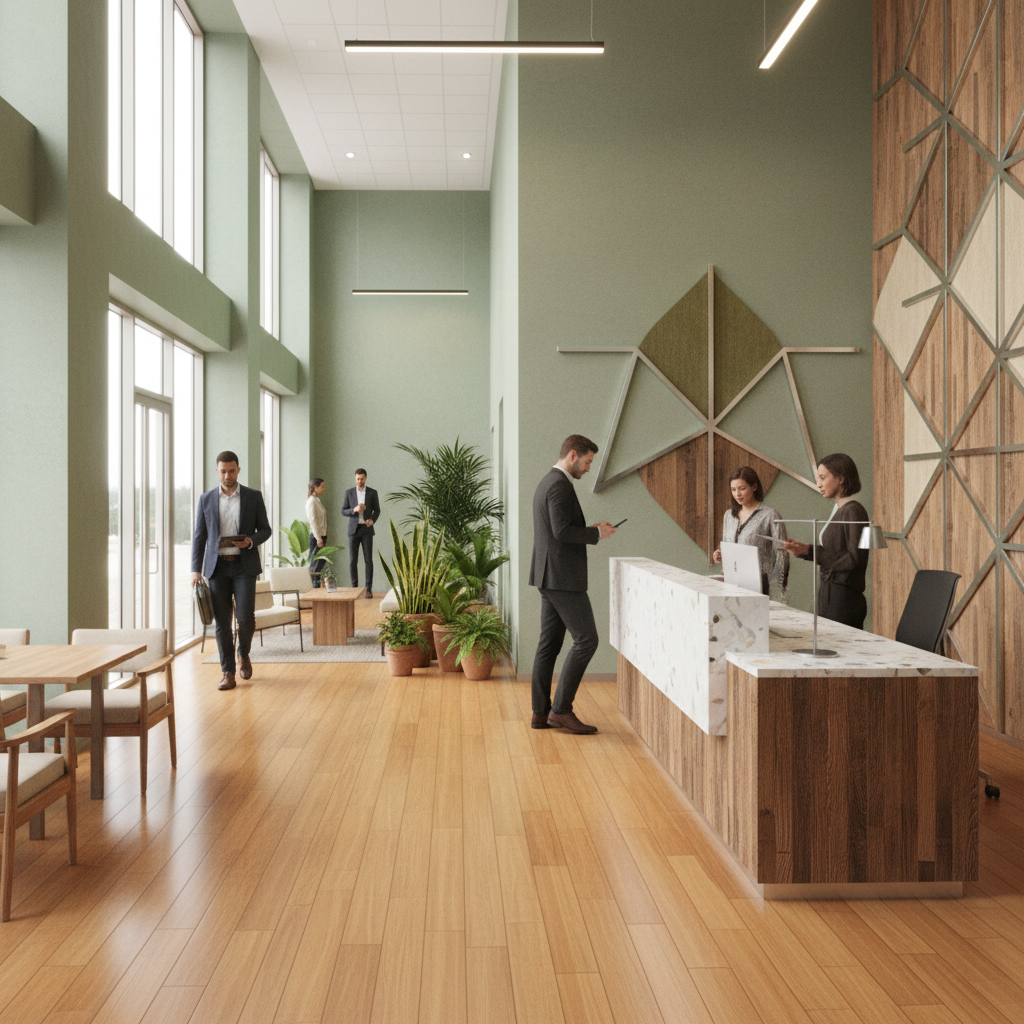
Sustainable materials are poised to revolutionize office design in 2025, ushering in a new era where eco-friendliness takes center stage. As businesses increasingly recognize their environmental responsibilities, integrating sustainable elements into office fitouts becomes essential. This means opting for materials that not only reduce environmental impact but also promote well-being among employees. Bamboo flooring, recycled metal fixtures, and low-VOC paints are just a few examples of how sustainability can seamlessly merge with modern aesthetics.
When considering a sustainable office fitout, here are some tips to guide your choices. First, focus on sourcing local materials to minimize carbon emissions associated with transportation. Second, think about durability; selecting long-lasting materials will reduce the need for replacements and eventually lower waste. Lastly, incorporate biophilic design elements by integrating natural textures and colors, which not only enhances the workspace but also connects employees with nature, boosting overall morale.
The future of office design is undeniably leaning towards sustainability, and choosing eco-friendly fitout options will not only benefit the planet but also create healthier work environments that foster creativity and productivity among employees. By embracing these sustainable practices now, businesses can pave the way for a greener and more resilient future.
Flexible Workspace Solutions: Adapting to Hybrid Work Models
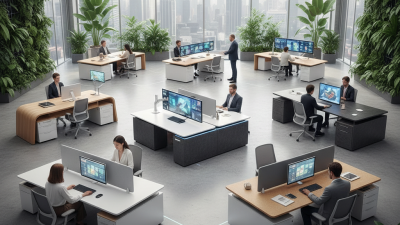
As hybrid work models continue to redefine the modern workplace, flexible workspace solutions are becoming increasingly essential for businesses in 2025. Companies are now focusing on creating environments that can easily be adapted to a mix of in-office and remote work. This shift encourages the design of spaces that are not only functional but also collaborative, fostering creativity and engagement among employees.
Moreover, technology integration plays a crucial role in enhancing these flexible workspaces. Smart office solutions that facilitate seamless connectivity between remote and in-house teams are at the forefront of these trends. From advanced video conferencing tools to digital collaboration platforms, businesses are investing in tech that supports a hybrid model while ensuring that all team members feel connected and productive, regardless of their physical location. This ongoing evolution signifies a move towards more sustainable and responsive office environments that reflect the needs of a dynamic workforce.
Wellness-Focused Environments: Creating Healthier Workspaces
As we move towards 2025, the emphasis on wellness-focused environments in office fitouts is becoming increasingly critical. Businesses are recognizing that healthy workspaces contribute to employee productivity, satisfaction, and overall well-being. A wellness-oriented office design goes beyond aesthetic appeal, integrating elements that promote physical and mental health, such as natural light, greenery, and ergonomic furniture.
**Tips for a Wellness-Focused Workspace:** Incorporating biophilic design is a great way to enhance employee well-being. Consider adding plants and natural elements to your office layout to create a calming environment. Additionally, investing in ergonomic furniture like standing desks and supportive chairs can significantly reduce physical strain and improve comfort during long working hours.
Creating spaces for relaxation and social interaction is another effective strategy. Designate quiet zones with comfortable seating for breaks and casual meetings. This encourages employees to step away from their desks, recharge, and foster meaningful connections, enhancing their overall workplace experience. Prioritizing wellness in your office fitout not only benefits employees but also reflects a culture of care and respect within your organization.
Top 10 Office Fitouts Trends to Watch for in 2025
Smart Technology Integration: Enhancing Productivity and Comfort
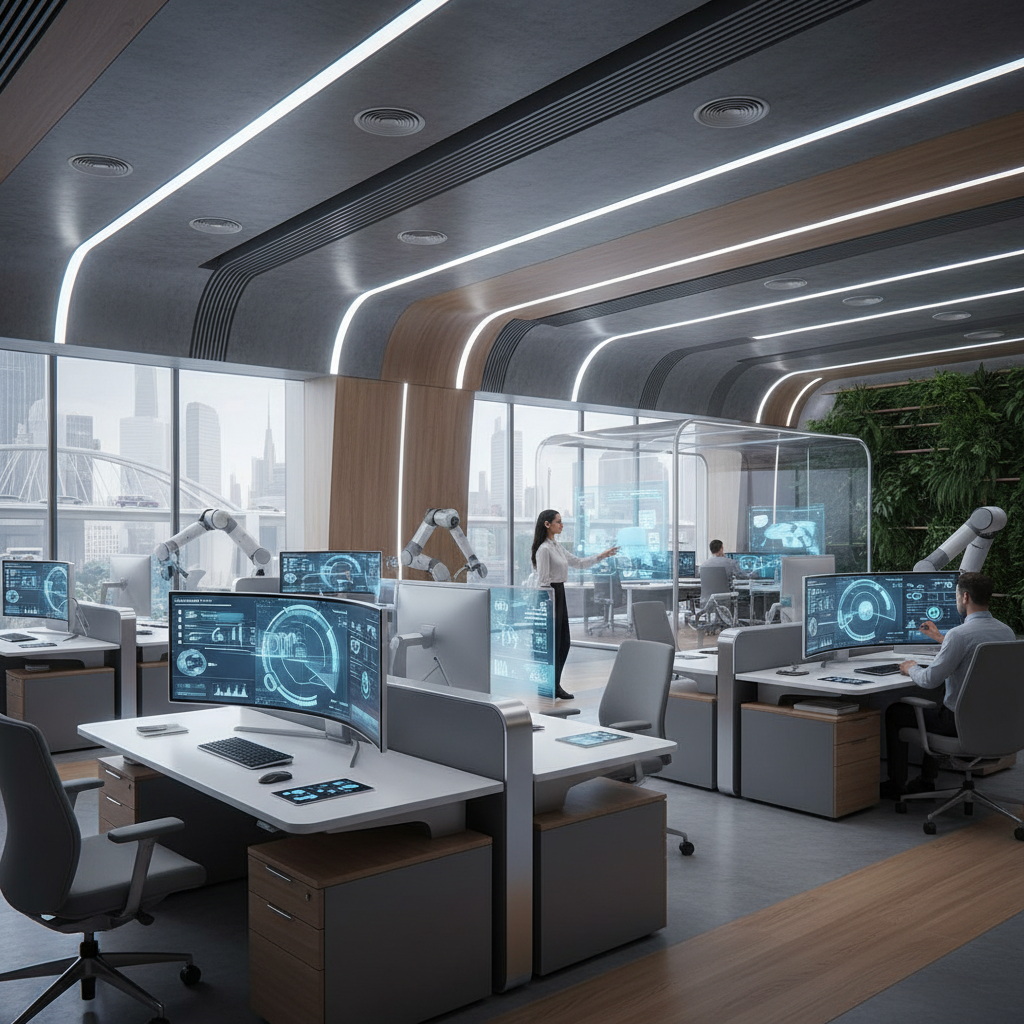
As we move toward 2025, the integration of smart technology in office fitouts will reshape the dynamics of productivity and comfort in the workplace. Smart office solutions are not just about incorporating advanced gadgets; they involve creating an interconnected environment where automation and connectivity streamline operations. These technologies enable seamless communication among employees, reduce manual processes, and create an adaptable workspace that responds to individual needs and preferences.
Moreover, the trend towards smart technology integration will also enhance employee well-being. Features such as automated lighting, climate control, and personal workspace customization can significantly increase comfort levels. By utilizing data analytics, companies can optimize the work environment, ensuring it's conducive to focus and collaboration. This evolution in office design will not only attract talent but also enhance overall job satisfaction and productivity, making it essential for organizations to embrace these developments in the coming years.
Biophilic Design: Bringing Nature into the Office Space
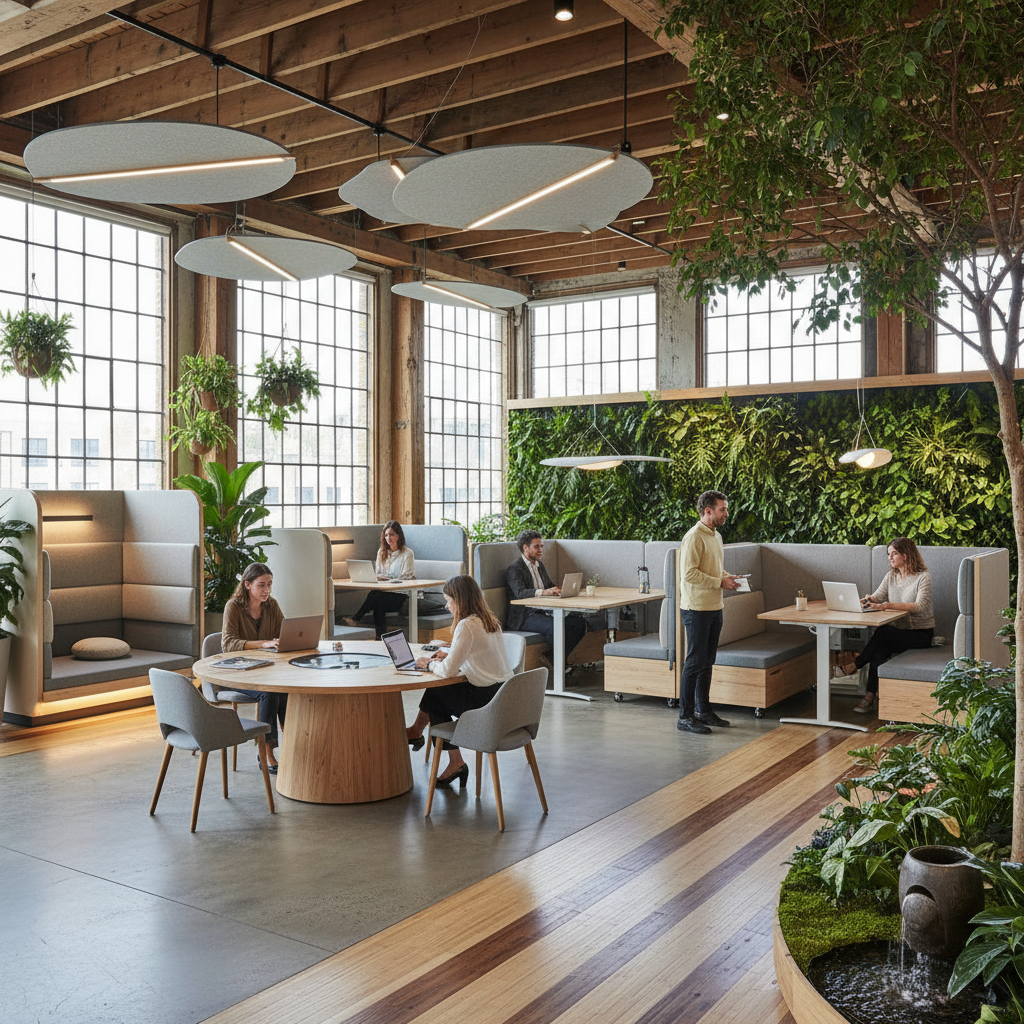
Biophilic design is transforming office spaces by seamlessly integrating nature into the workplace. This design philosophy, rooted in our human connection to natural environments, not only enhances aesthetic appeal but also boosts productivity and well-being. By using natural materials, light, and greenery, workplaces mimic the calming effects of the outdoors. This trend is particularly relevant as we enter 2025, where more companies are recognizing the psychological and physical benefits of incorporating biophilic elements into their office fitouts.
**Tips for Integrating Biophilic Design:**
1. **Use Natural Materials:** Incorporate wood, stone, and other natural elements into your office décor to create a warm and welcoming atmosphere.
2. **Bring in Plants:** Adding houseplants not only improves air quality but also reduces stress and increases overall employee happiness. Consider creating indoor gardens or green walls.
3. **Maximize Natural Light:** Design spaces to allow ample natural light, enhancing mood and energy levels. Consider layout changes that bring more sunlight into work areas.
As organizations continue to evolve into vibrant environments that prioritize well-being, biophilic design stands out as a vital trend in modern architecture. By fostering a strong connection with nature, companies are not only enhancing their spaces but also improving the mental health and productivity of their employees.