Ultimate Tips for Choosing Work Office Furniture That Fits Your Needs?
Choosing the right work office furniture is crucial for creating a productive workspace. Expert designer Sarah Johnson emphasizes, "The right furniture influences both employee well-being and overall efficiency." Her insights reflect years in the industry, focusing on the intersection of comfort and functionality.
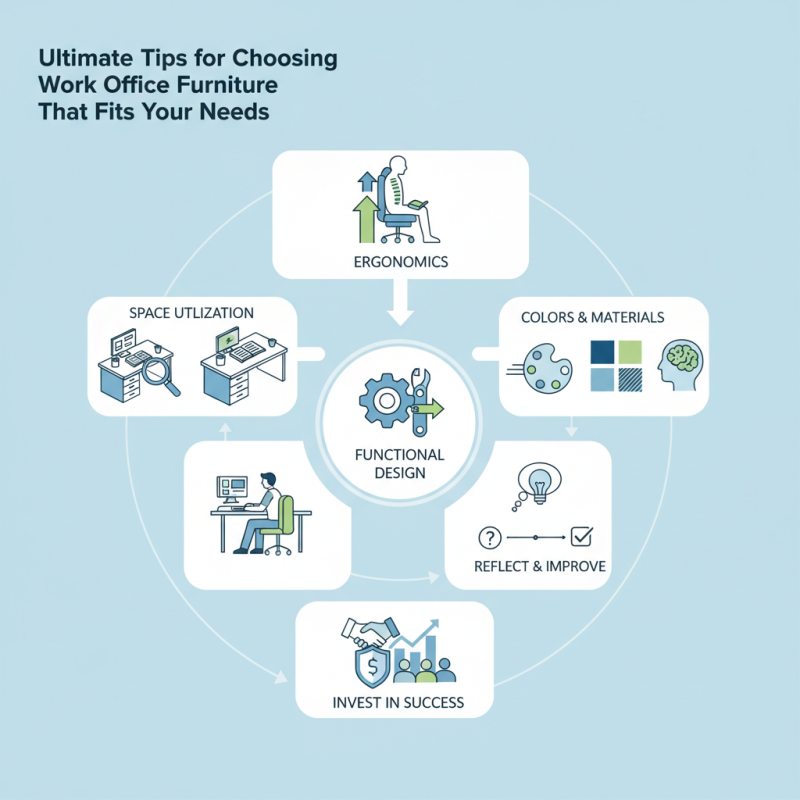
When selecting work office furniture, consider various aspects. Ergonomics is key; chairs should support posture while desks accommodate various tasks. Colors and materials can affect mood and productivity, so opt for functional designs that enhance your brand's personality. Reflecting on past choices can lead to better decisions. Many professionals initially overlook the significance of workspace layout.
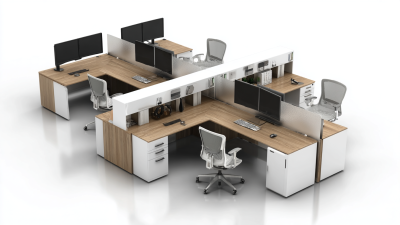
Space utilization is essential. Oversized desks may crowd work areas, while minimalistic designs can promote clarity. Evaluate your needs before making purchases. Remember, the right work office furniture is an investment in your team’s success.
Assessing Your Office Space Requirements for Furniture Selection
When assessing your office space, consider the layout and dimensions. Measure your area to understand how furniture fits. A cramped space can lead to discomfort and reduced productivity. Think about movement and accessibility. Is there enough room to walk? Will employees feel confined?
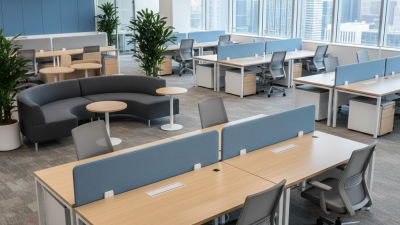
Next, evaluate your specific needs. Do you require collaborative spaces or private areas? Each choice impacts the type of furniture you select. For example, desks shouldn't block movement in communal areas. If you're focusing on a more relaxed environment, consider softer seating options. Reflect on how your team works best and adapt your furniture to support that.
Finally, do not overlook future growth. Your office needs may change, so select furniture that can adapt. Multi-functional pieces can be beneficial. But stay aware of trends. Sometimes, what seems trendy today may not serve your purpose tomorrow. Each choice should reflect your unique needs and foster a supportive work environment.
Understanding Ergonomics: Ensuring Comfort in Your Office Setup
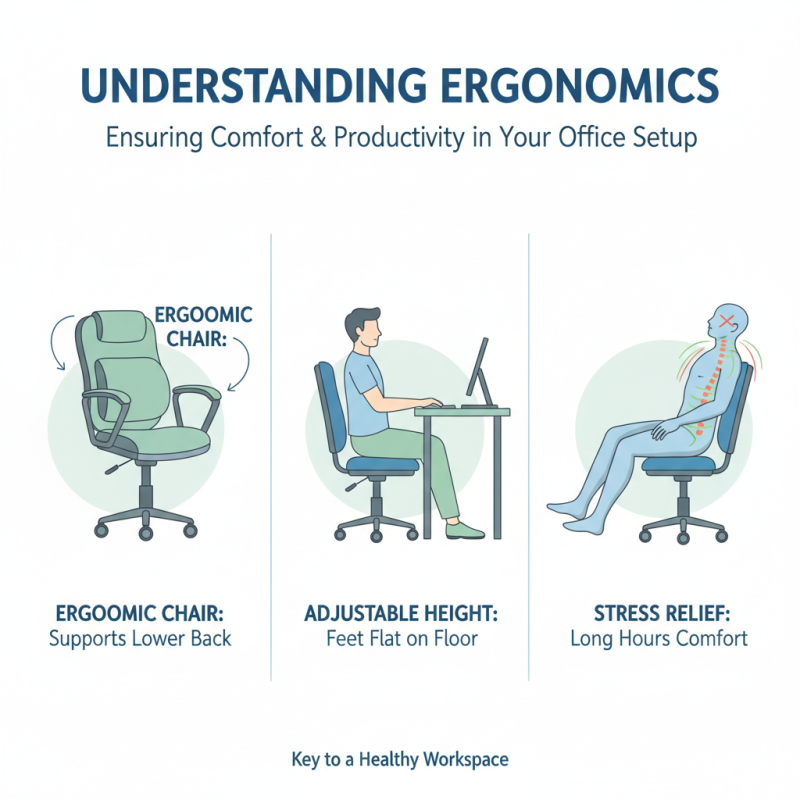
When setting up your office, ergonomics plays a crucial role in ensuring comfort and productivity. An ergonomic chair should support your lower back. Look for chairs with adjustable heights. Your feet should rest flat on the ground. A well-designed chair can relieve stress on your body during long hours of work.
Next, consider the desk height. A desk that is too high or low can lead to discomfort. Your elbows should be at a 90-degree angle while typing. If you often work with monitors, position them at eye level. This helps to reduce neck strain. It’s a small detail, but it makes a big difference over time.
Lighting is another important factor. Natural light can boost mood and focus. If your workspace lacks windows, choose bright, adjustable desk lamps. Pay attention to the glare on your computer screen. Glare can lead to eye strain, making it difficult to concentrate. Remember, every small adjustment helps create a better work environment. Your comfort and productivity are worth the effort.
Choosing the Right Style: Aligning Furniture with Your Brand Image
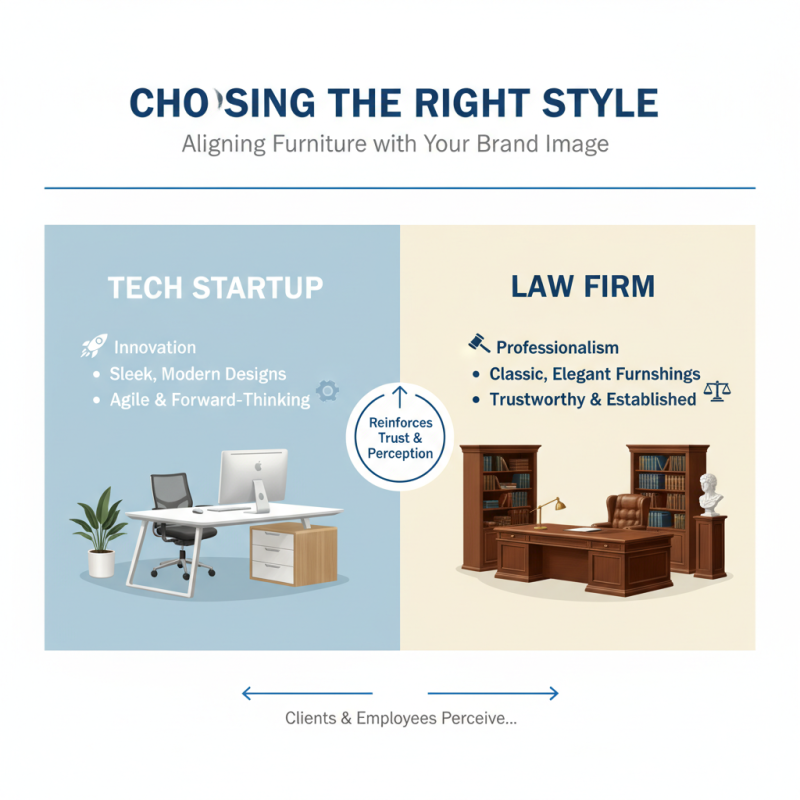
When selecting office furniture, it’s essential to align your choices with your brand image. A cohesive brand image reinforces trust. For instance, a tech startup might opt for sleek, modern designs that reflect innovation. On the other hand, a law firm may prefer classic and elegant furnishings to convey professionalism. The right style influences how clients and employees perceive your company.
Consider the color palette carefully. Bright colors can boost creativity, while neutral tones promote focus. The materials also matter. Natural woods add warmth, while metals impart a contemporary feel. Mixing textures creates a dynamic environment but requires balance. Ensure the selected pieces are functional. Beauty alone isn't enough if they don't serve a purpose.
Don't hesitate to experiment, but reflect on the outcomes. Iteration is part of the process. Gather feedback from coworkers about the comfort and aesthetics. Their insights can help fine-tune your choices. Remember, this space reflects who you are. Fine-tuning your office environment can enhance both employee satisfaction and brand perception.
Setting a Budget: Balancing Quality and Cost in Office Furniture
Setting a budget for office furniture is crucial. Balancing quality with cost can be challenging. You want furniture that lasts and meets your needs without overspending. Often, cheaper options sacrifice durability. Consider what’s essential for your workspace and how much you’re willing to invest.
When budgeting, evaluate the materials. For instance, solid wood and high-quality metal tend to be more durable. Look for reviews and ratings on materials. This helps you understand the longevity of the furniture. Investing in ergonomic pieces is smart, even if they cost more upfront. Health is worth the investment.
Tip: Research is key. Explore online resources for comparisons. Visit showrooms to test comfort. Sometimes, used furniture is a hidden gem. They can provide quality at a lower price. Reflect on functionality versus aesthetics. A beautiful desk may not serve well if it's uncomfortable. Prioritize what truly enhances your workspace for an effective setup.
Sourcing Sustainable Options: Eco-Friendly Choices for Your Office
When selecting office furniture, sustainability should be a priority. Eco-friendly choices benefit both the environment and employee well-being. Look for furniture made from recycled materials. This reduces waste and promotes resource conservation. Products made from sustainable wood are also great. They are durable and contribute to a healthier workspace.
Consider the lifecycle of the furniture. How long will it last? Will it require many repairs? Assessing these factors can lead to smarter purchases. Employees spend hours sitting at desks. Ergonomic designs improve comfort, reducing strain and increasing productivity. Invest in items that support good posture.
Don't forget about local sourcing. Buying from nearby manufacturers cuts transportation emissions. It also supports local economies. Be cautious of flashy designs. Minimalism often leads to fewer materials used. Simplicity can create a more focused working environment.
Take time to reflect on your office layout. Is there enough space for collaboration? Adjusting furniture can enhance team dynamics without needing new purchases.