Top 10 Benefits of Choosing Institutional Furniture for Modern Workspaces
In today's rapidly evolving workplace, the design and functionality of office environments have become paramount. The trend towards adopting institutional furniture is reshaping modern workspaces, promoting collaboration, comfort, and productivity. Renowned industry expert Dr. Sarah Jennings, a leading authority on workspace design, emphasizes the significance of this trend, stating, "Institutional furniture not only enhances aesthetics but also fosters a productive atmosphere that can adapt to the dynamic needs of diverse workforces."
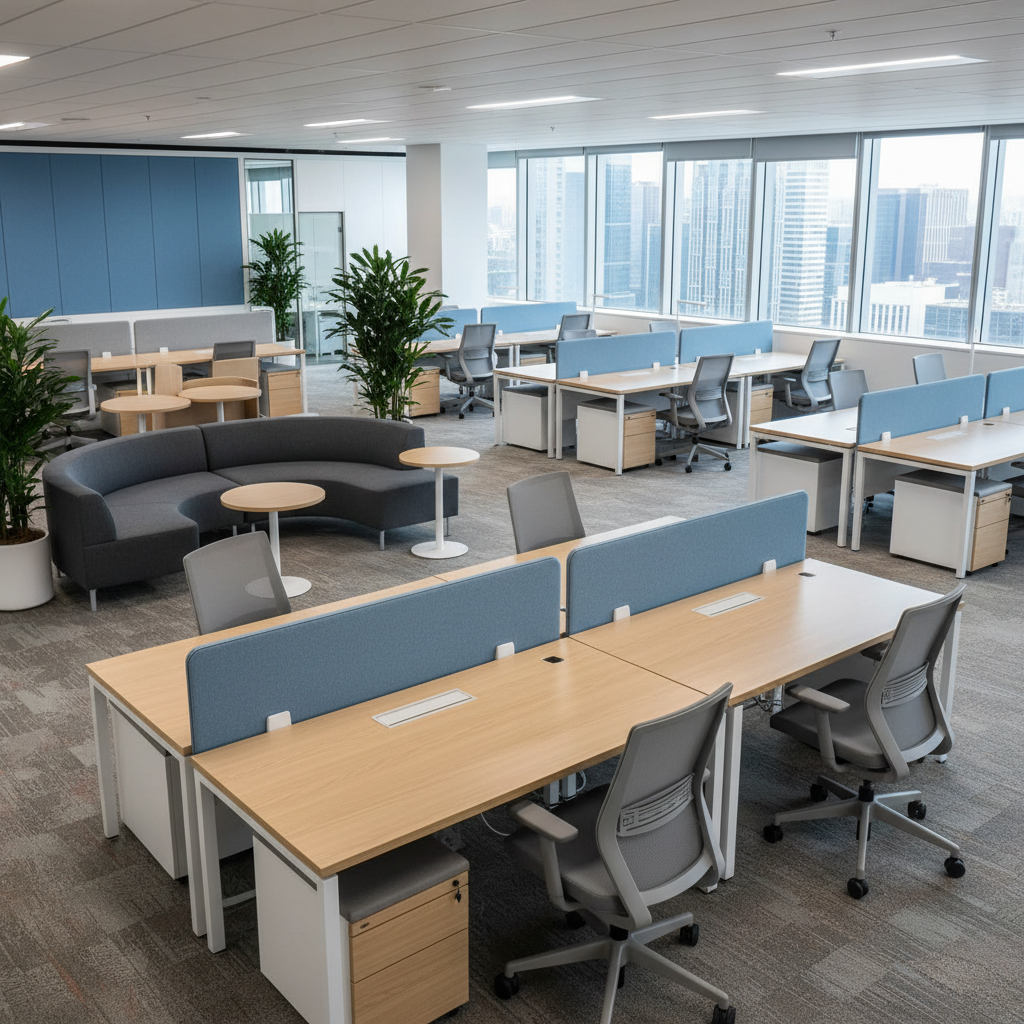
As organizations look to create more sustainable and flexible environments, the use of institutional furniture offers numerous advantages. These benefits extend beyond mere visual appeal; they encompass practicality, durability, and versatility, all crucial elements in accommodating the ever-changing demands of today's employees. From ergonomic seating to modular table systems, institutional furniture is designed with the user in mind, ensuring that spaces are utilized effectively and comfortably.
By prioritizing institutional furniture in their design strategies, companies pave the way for innovative workspaces that can stand the test of time. As we delve into the top 10 benefits of choosing institutional furniture, it becomes clear that this approach is not just a trend but a necessary evolution in how we perceive and occupy our work environments.
Advantages of Durability: Why Institutional Furniture Lasts Longer in Workspaces
When it comes to designing modern workspaces, the choice of furniture plays a crucial role in enhancing both functionality and aesthetics. One significant advantage of institutional furniture is its durability, which is a key factor for any workspace aiming for longevity. Constructed with high-quality materials and designed to withstand heavy use, institutional furniture is built to endure the rigors of daily operations. This resilience ensures that it maintains its appearance and functionality over time, reducing the need for frequent replacements.
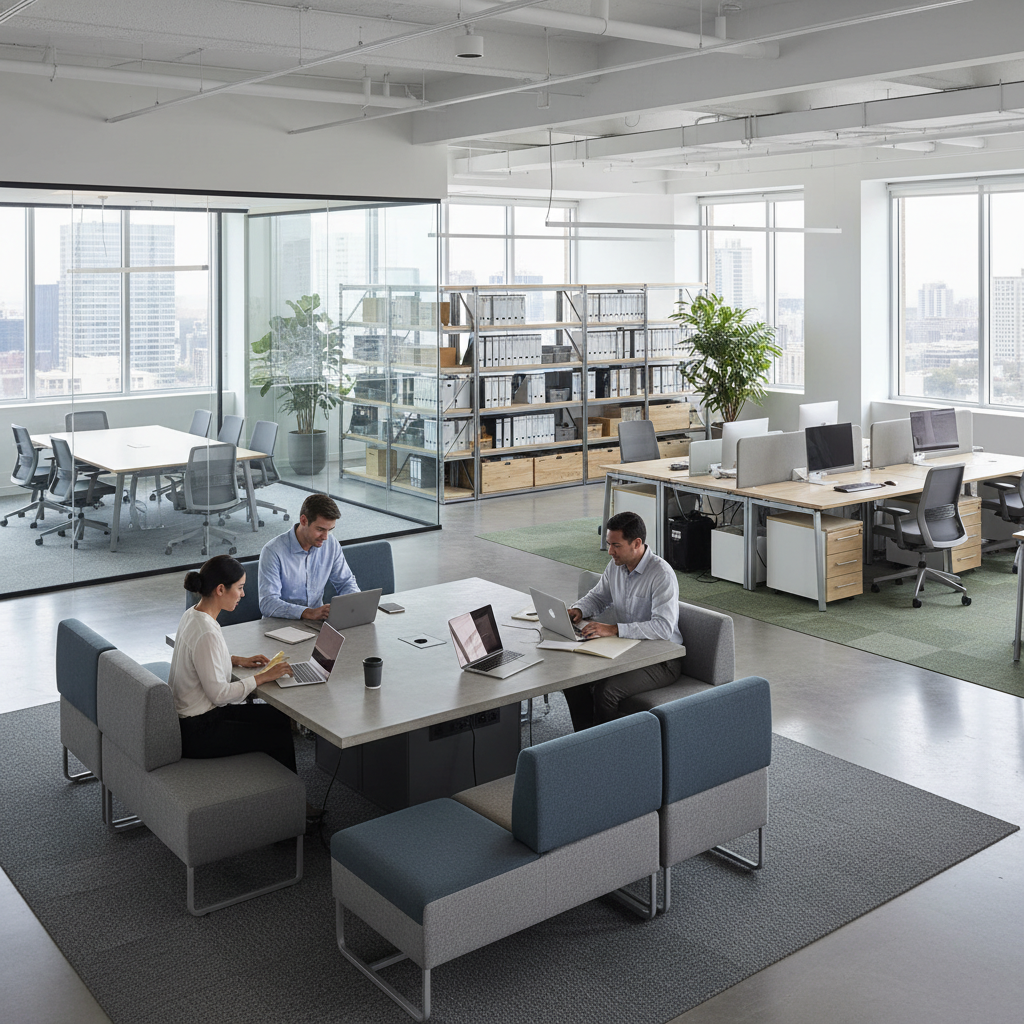
Moreover, institutional furniture often incorporates features specifically designed to resist wear and tear. This includes reinforced joints, scratch-resistant surfaces, and easy-to-clean finishes, making it ideal for environments where longevity is critical. By investing in durable institutional furniture, companies can not only save money in the long run but also promote a more sustainable approach to office design. The extended lifespan of these pieces means less waste, aligning with modern corporate values of environmental responsibility while providing employees with a reliable and supportive workspace.
Enhancing Collaboration: The Role of Design in Modern Work Environments
In modern work environments, the design of institutional furniture plays a critical role in enhancing collaboration. With the global unified communication and collaboration (UC&C) market expected to grow to $150.42 billion by 2032, at a CAGR of 10.8%, companies are recognizing the need for adaptable workspaces. A well-designed office can improve team dynamics and foster creativity, which is essential in today's rapidly evolving work landscape.
As hybrid work models continue to dominate, the emphasis on flexible and ergonomic furniture will be vital. Reports indicate that over the next five years, up to 78 million new jobs will be created globally, with rising demand for tech skills. This transformation necessitates spaces that encourage interaction and innovation among diverse teams. By investing in institutional furniture that integrates collaborative design, businesses can create environments that not only enhance productivity but also cater to employee well-being.
Tip: Choose furniture that promotes mobility; lightweight, modular pieces can be easily reconfigured for different team activities, enhancing spontaneous collaboration. Additionally, consider incorporating technology into furniture design to streamline communication and improve workflow efficiency, ensuring teams remain connected and engaged, regardless of where they work.
Cost-Effectiveness: How Institutional Furniture Maximizes Budget Efficiency
When it comes to outfitting modern workspaces, cost-effectiveness plays a pivotal role in the decision-making process. Institutional furniture, known for its durability and longevity, can prove to be a wise investment for businesses looking to maximize their budget efficiency. According to a report by IBISWorld, the commercial furniture industry is projected to grow by 3.5% annually, demonstrating an increasing demand for furniture that combines quality with economic benefits. Institutional furniture typically lasts longer than traditional office furniture, often with warranties extending up to 10 years, which means less money spent on replacements and repairs over time.
Additionally, institutional furniture is designed with functionality in mind, allowing for flexible configurations that adapt to various work settings. A study conducted by the International Facility Management Association (IFMA) found that effective workspace design can improve employee productivity by up to 20%. This productivity boost can translate into significant financial savings, as a more engaged workforce often leads to reduced turnover rates and higher output. By investing in institutional furniture, companies can create a cost-effective, aesthetically pleasing work environment that enhances overall operational efficiency while staying within budget constraints.
Top 10 Benefits of Choosing Institutional Furniture for Modern Workspaces - Cost-Effectiveness: How Institutional Furniture Maximizes Budget Efficiency
| Benefit |
Description |
Cost Impact |
Longevity |
| Durability |
Built to withstand heavy usage in institutional settings. |
Reduces replacement costs over time. |
10+ years |
| Cost-Effectiveness |
Offers affordable options without compromising quality. |
Lower initial investment and maintenance costs. |
5-10 years |
| Customizability |
Can be tailored to fit unique workspace needs. |
Enhances efficiency, potentially lowering operational costs. |
Variable |
| Aesthetics |
Modern design can improve workplace morale. |
Higher satisfaction can lead to better productivity. |
5-7 years |
| Ergonomics |
Designed to support employee health and comfort. |
Reduced health-related costs. |
5-15 years |
| Sustainability |
Often made from eco-friendly materials. |
May qualify for tax incentives or green certifications. |
10+ years |
| Maintenance |
Easy to clean and maintain. |
Lower overall maintenance costs. |
10+ years |
| Flexibility |
Adaptable to various workspace layouts and functions. |
Reduced need for new purchases during reconfigurations. |
5-10 years |
| Collaboration |
Encourages teamwork through shared spaces. |
Potentially increases revenue through improved outputs. |
Variable |
Health and Ergonomics: Promoting Employee Well-Being with Smart Choices
Choosing institutional furniture for modern workspaces can significantly enhance employee health and well-being. Recent studies highlight that ergonomic office furniture can reduce the risk of musculoskeletal disorders, which affects about 30% of office workers, leading to lost productivity and increased healthcare costs. According to the Global Workplace Health Report, businesses investing in ergonomic solutions see a reduction in worker compensation claims by up to 40%, demonstrating a direct correlation between smart furniture choices and employee health.
Furthermore, incorporating adjustable desks and supportive seating can improve focus and reduce fatigue. A survey by the American Journal of Public Health found that employees using ergonomic furniture reported a 25% increase in workplace satisfaction. Enhanced comfort translates to improved productivity, as happier employees are more engaged and less likely to take sick days. By prioritizing health through strategic choices in institutional furniture, organizations not only foster a more productive environment but also invest in their employees' long-term wellness.
Top 10 Benefits of Choosing Institutional Furniture for Modern Workspaces
Sustainability Matters: Eco-Friendly Options in Institutional Furniture Design
When selecting furniture for modern workspaces, sustainability plays a crucial role in the decision-making process. Eco-friendly options in institutional furniture design not only contribute to a healthier environment but also enhance the overall aesthetics and functionality of the workplace. Manufacturers are increasingly using sustainable materials such as recycled metals, reclaimed wood, and bio-based plastics which significantly reduce the carbon footprint of furniture production. This commitment to sustainability often extends beyond materials to include manufacturing processes that prioritize energy efficiency and waste reduction.
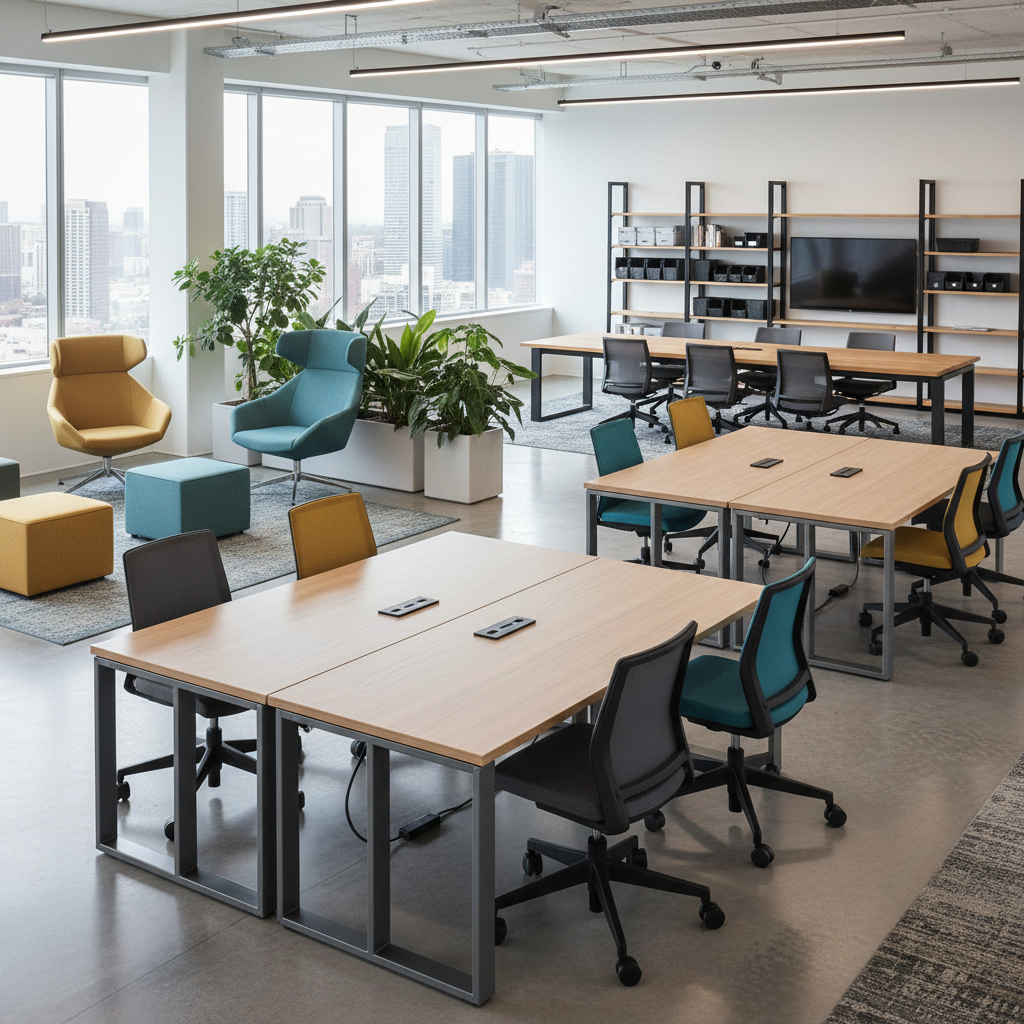
Additionally, sustainable institutional furniture fosters a culture of responsibility and mindfulness within organizations. By choosing eco-friendly options, companies demonstrate their commitment to environmental stewardship, which can resonate positively with employees, clients, and stakeholders. Moreover, many of these furniture pieces are designed for durability and longevity, reducing the need for frequent replacements and the associated waste. Investing in sustainable furniture not only helps to create a modern workspace that aligns with today’s eco-conscious values but also encourages a healthier, more productive work environment.