Top 10 Office Furniture Design Trends You Need to Know?

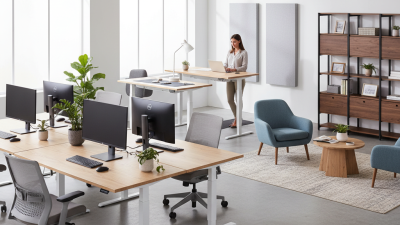
In today's fast-paced work environment, office furniture design plays a crucial role in shaping productivity and creativity. Organizations recognize that the right furniture can enhance employee comfort and engagement. Modern office spaces are not just about aesthetics; they are designed to foster collaboration and innovation.

Trends in office furniture design have evolved significantly over recent years. Open layouts, flexible spaces, and ergonomic solutions are now at the forefront. However, some businesses still cling to outdated styles, which can stifle progress. It’s worth questioning whether traditional setups truly meet the needs of today's dynamic teams.

As we explore the top 10 office furniture design trends, we will discover both inspiring innovations and shortcomings. Some designs promise efficiency but may not consider the varied needs of all employees. Reflecting on this can lead to better choices in creating functional and appealing workspaces.
Top 10 Office Furniture Design Trends You Need to Know?

Top 10 Office Furniture Design Trends Shaping Workspaces in 2023
Top 10 Office Furniture Design Trends You Need to Know?

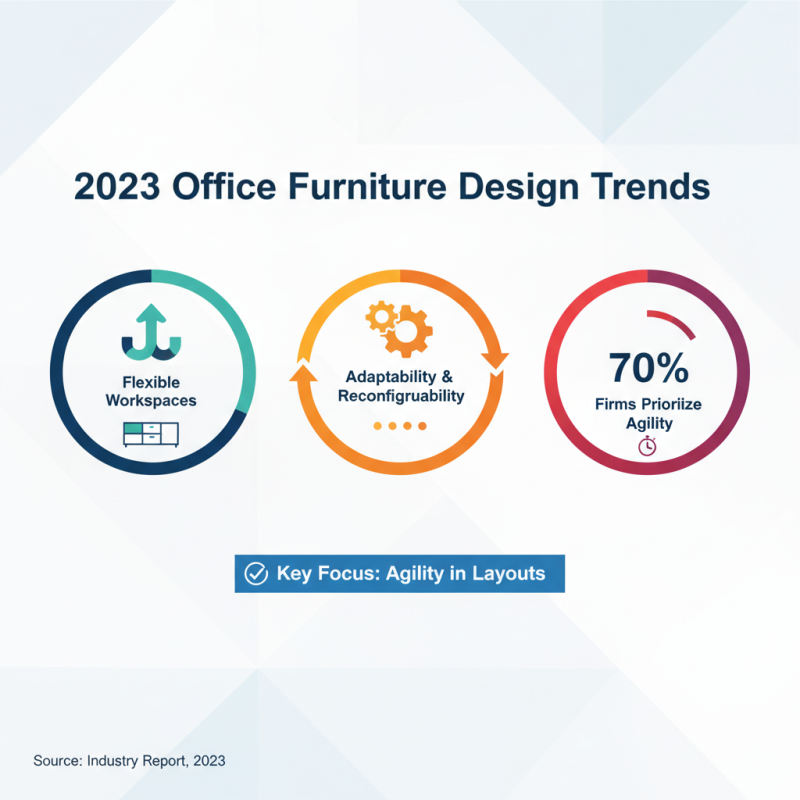
As we delve into 2023, the office furniture design landscape is evolving rapidly. A recent report indicates that flexible workspaces are gaining traction. These spaces allow for adaptability, with furniture that can be easily reconfigured. A staggering 70% of firms are prioritizing agility in their office layouts this year.

Biophilic design is another crucial trend. Incorporating natural elements into office spaces enhances employee well-being. Studies reveal that workplaces with greenery can increase productivity by up to 15%. However, not all companies effectively implement this. Some create artificial settings that fall short of the desired effect.

Sustainability remains a hot topic in office furniture design. Many workers seek eco-friendly options. Reports show that 55% of employees consider sustainability when choosing a workspace. Yet, some brands still overlook this aspect. It's essential to reflect on how the industry can improve in promoting genuine sustainable practices.

The Rise of Biophilic Design: Enhancing Employee Well-being through Nature

Biophilic design is increasingly popular in office spaces. It emphasizes connecting with nature. Plants, natural light, and water features enhance the work environment. These elements inspire creativity and improve focus. Employees feel more relaxed and energized.

Incorporating biophilic features can be a challenge. Choosing the right plants for indoor spaces is essential. Some plants may not thrive without proper sunlight. Additionally, not all offices have access to large windows. These limitations can hinder the full benefits of biophilic design. Adequate planning and experimentation are crucial for success.

It’s important to recognize the diversity in employee preferences. Not everyone connects with nature in the same way. Some might prefer minimalist designs. Balancing biophilic elements with functional needs requires thoughtful consideration. Each office should aim for a blend that caters to a range of personal tastes.

Top 10 Office Furniture Design Trends You Need to Know

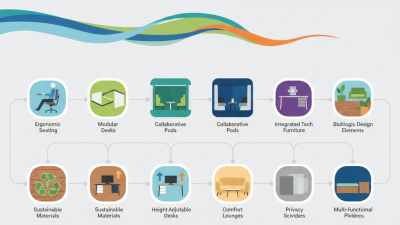
Trend Description Benefits Implementation Idea
Biophilic Design Incorporating natural elements like plants and water features. Improves well-being, reduces stress, increases productivity. Install indoor plants and green walls.
Modular Furniture Flexible and adjustable office furniture solutions. Customized workspace, promotes collaboration. Use modular desks and movable partitions.
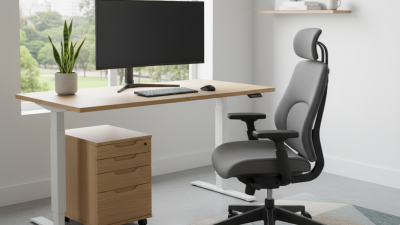
Ergonomic Designs Furniture designed for comfort and posture support. Reduces health issues, enhances focus. Invest in ergonomic chairs and desks.
Sustainable Materials Use of eco-friendly and recycled materials in furniture. Supports ecological responsibility, attracts conscious consumers. Choose furniture made from bamboo or reclaimed wood.
Tech-Integrated Furniture Furniture that incorporates technology for connectivity. Enhances productivity and collaboration. Tables with built-in charging stations.
Color Psychology Using color to influence mood and productivity. Enhances creativity and reduces anxiety. Incorporate vibrant colors in furniture and decor.
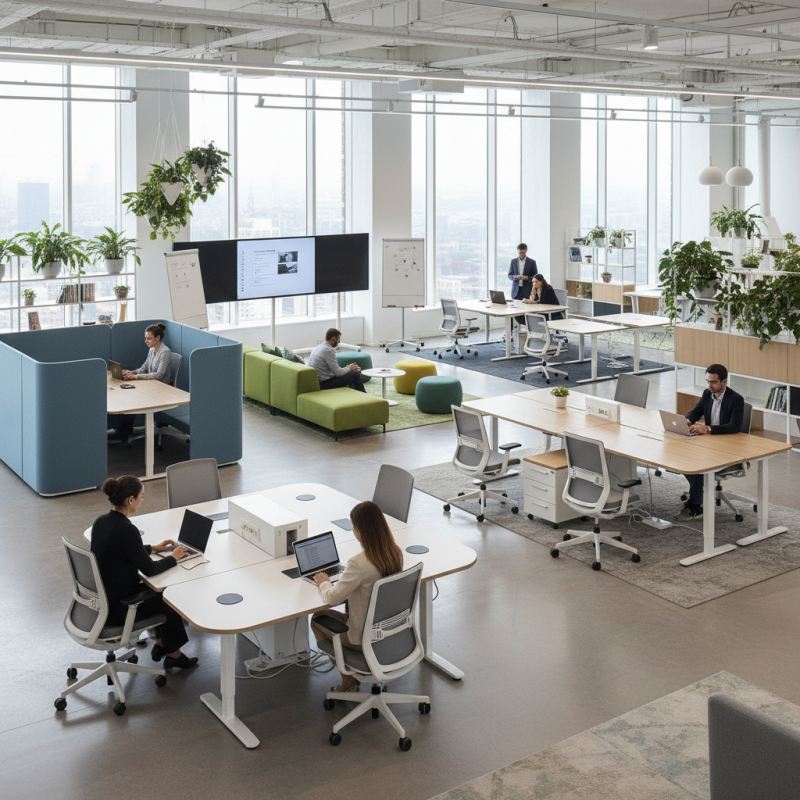
Collaborative Spaces Designing areas to promote teamwork and interaction. Boosts creativity and innovation. Create open spaces with communal tables.
Multi-functional Furniture Furniture that serves more than one purpose. Saves space, increases functionality. Ottomans that double as storage.
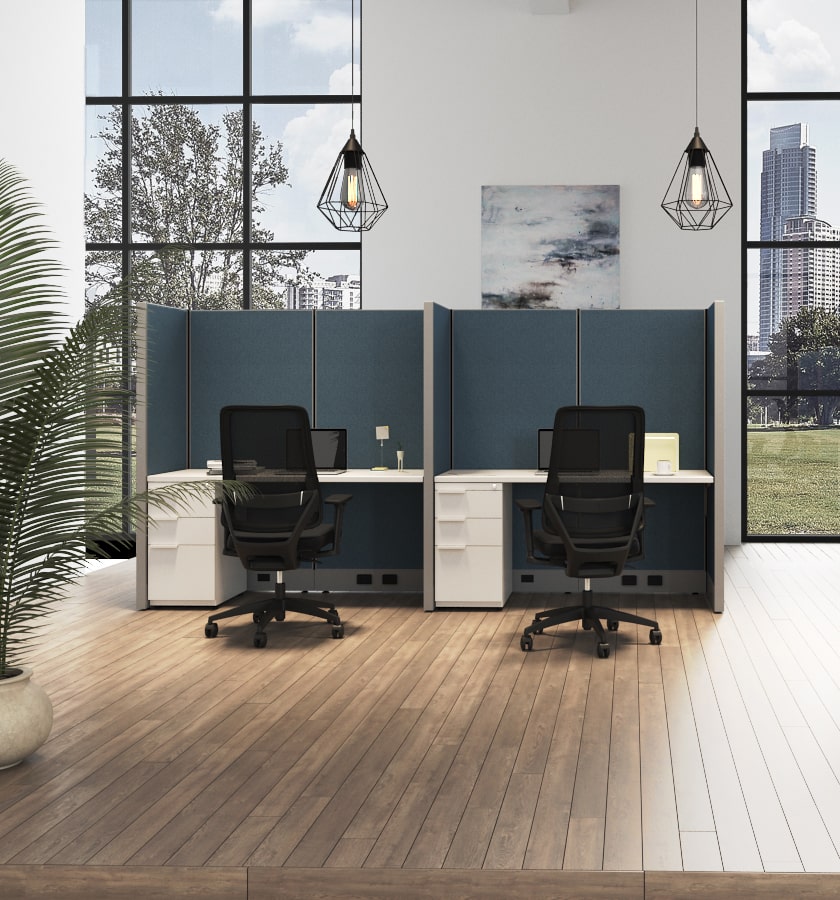
Acoustic Solutions Furniture designed to reduce noise levels. Enhances focus and reduces distractions. Use sound-absorbing panels and booths.
Flexible Layouts Changing office layouts according to needs. Promotes adaptability and efficiency. Utilize movable furniture and configurations.

Sustainable Materials in Office Furniture: Meeting Eco-Friendly Standards

Sustainable materials are becoming a priority in office furniture design. Companies are searching for eco-friendly options. Recycled plastics, bamboo, and reclaimed wood are gaining popularity. These materials reduce carbon footprints. They contribute to a healthier workspace.

Using sustainable materials in furniture promotes well-being. Eco-friendly choices can improve air quality. It's a small step toward a more responsible future. However, not all manufacturers meet eco-friendly standards. Buyers should research certifications. Look for labels like FSC or GREENGUARD.

Tips: Opt for modular furniture. It allows flexibility while minimizing waste. Consider second-hand pieces. They can be stylish and affordable. Keep in mind that true sustainability takes time. Companies must balance aesthetics and eco-concerns. Not every choice is perfect, and that’s okay. Reflect on your decisions. Every effort counts toward a greener office.

Flexible Workstations: Adapting to Hybrid Work Models and Needs

Flexible workstations are becoming essential in modern office design. With the rise of hybrid work models, adaptability is key. Employees often split their time between home and the office. Workstations must accommodate this shift.

Flexible designs include adjustable desks and movable partitions. This allows teams to reconfigure their space as needed. Some might prefer quiet zones for focus. Others may need collaborative setups for brainstorming sessions. These different needs must be met. However, not all designs are equally effective.

Still, challenges persist in creating an ideal workspace. Some employees may struggle with constant changes. Others might feel overwhelmed by choices. Balancing aesthetics with functionality is crucial. Think about how colors and textures can impact mood. Ultimately, designing for flexibility requires ongoing reflection and adjustment, ensuring spaces cater to a diverse workforce.

Smart Furniture Solutions: Integrating Technology for Modern Offices

Smart furniture solutions are revolutionizing modern offices. With the rise of remote work, adaptability has become essential. According to a report by the International Facility Management Association, 70% of companies are investing in innovative office designs that integrate technology. This shift allows for a workspace that meets diverse needs.


Ergonomic desks and chairs now come equipped with charging ports. Wireless connections enhance collaboration. However, there are challenges. Not every workplace is ready for such rapid change. Issues like cost and employee adaptation need attention. Flexibility also poses risks. Spaces designed for collaboration can sometimes disrupt focus.


As companies seek to embrace these trends, careful planning is necessary. A balance between technology and employee comfort is crucial. Data from the Future of Work report indicates that 60% of employees value flexibility in their workspace. Yet, the push for high-tech solutions may overlook basic needs. Ensuring a seamless integration of smart furniture is critical for future success.