Top 10 Work Furniture Tips for Improved Productivity
Creating a productive work environment significantly relies on the selection and arrangement of work furniture. The choices we make in furniture can enhance focus and efficiency. Whether you work from home or in an office, the right desk and chair matter greatly. Comfort and ergonomics should not be overlooked.
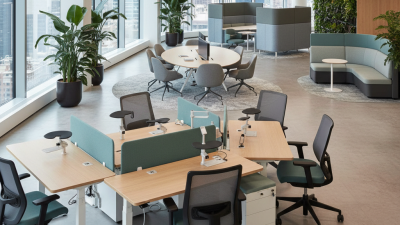
Think about how often you adjust your chair or shift your workspace. It can be frustrating when your furniture doesn’t support your needs. A well-designed workspace allows for easy movement and encourages a healthy posture. Squeezing in some potted plants or personal touches can make it feel inviting.
Investing in quality work furniture is not just a trend but a necessity. The layout can influence collaboration or isolation. Are you creating a space that brings energy and creativity? Reflect on your current setup. Your productivity might be impacted by small, overlooked details. Choosing wisely can lead to significant improvements in how you work.
Choosing the Right Desk: Ergonomics and Aesthetics Considerations
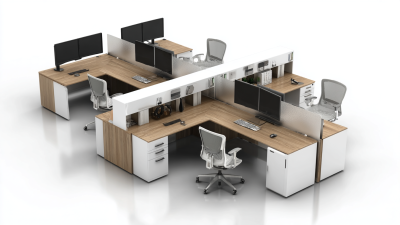
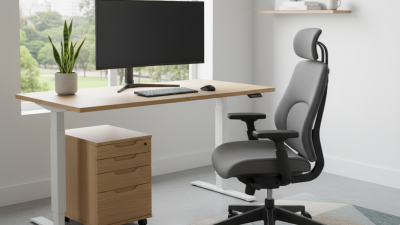
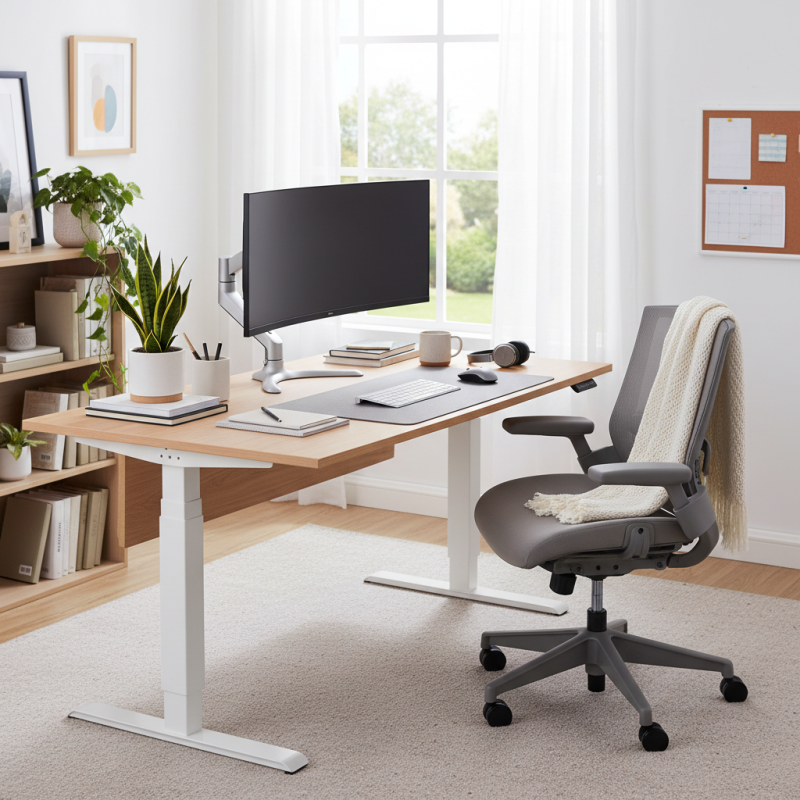
Choosing the right desk is crucial for improving productivity. Ergonomics play a key role in this decision. A desk that fits your height can prevent back pain. Look for adjustable desks if you like flexibility. A clean, organized workspace helps maintain focus.
Consider aesthetics as well. A visually pleasing desk can uplift your mood and improve your mindset. Choose colors that inspire you. Sometimes, we overlook how the design affects our work. A cluttered desk might drain your energy.
Tip: Keep your desk minimal. Too many items can distract you. Aim for a workspace that embodies tranquility. Reflect on how it feels to work in your space. Finding the right balance between function and beauty can take time. Adjustments may be needed as your work habits evolve.
Top 10 Work Furniture Tips for Improved Productivity - Choosing the Right Desk: Ergonomics and Aesthetics Considerations
| Tip Number |
Tip |
Ergonomic Consideration |
Aesthetic Consideration |
| 1 |
Choose an adjustable desk height |
Allows for standing/sitting options |
Fits various room layouts |
| 2 |
Opt for a desk with rounded edges |
Reduces the risk of injury |
Softens the appearance |
| 3 |
Consider a desk with cable management |
Reduces clutter |
Maintains clean aesthetics |
| 4 |
Select a desk that fits your body size |
Promotes good posture |
Matches personal style |
| 5 |
Choose a desk with a keyboard tray |
Encourages correct typing posture |
Enhances workspace design |
| 6 |
Pick a desk surface that is easy to clean |
Supports a hygienic workspace |
Maintains aesthetic appeal |
| 7 |
Incorporate a desk with sufficient space |
Reduces strain from overcrowding |
Allows for personalized decoration |
| 8 |
Look for a desk with flexible storage options |
Keeps essentials within reach |
Enhances overall appearance |
| 9 |
Select a desk with a solid construction |
Ensures durability and stability |
Provides a timeless look |
| 10 |
Invest in a desk that suits your work style |
Enhances efficiency |
Reflects personal taste |
Selecting an Office Chair for Maximum Comfort and Support
Selecting the right office chair plays a crucial role in enhancing productivity. Research indicates that a quality chair can increase work efficiency by up to 15%. Comfort and support are paramount in a work setting. An ergonomic chair is designed to promote natural posture. This helps reduce strain on the back and neck.
When assessing comfort, consider adjustability features. Chairs with adjustable height support provide a better fit for different body types. A poorly designed chair may lead to discomfort, affecting focus and productivity. According to a report by the Occupational Safety and Health Administration, improper seating choices can lead to significant health issues over time. This includes chronic back pain, which affects about 80% of adults at some point.
Material matters too. Breathable fabrics offer better air circulation, keeping you cool during long hours. Foam padding is key for sustained comfort, but it must be durable. It’s disheartening to invest in an expensive chair only to find it lacks long-lasting support. Reflect on the time spent seated and think about your ultimate comfort needs.
Organizing Your Workspace: Clutter-Free Environment Benefits
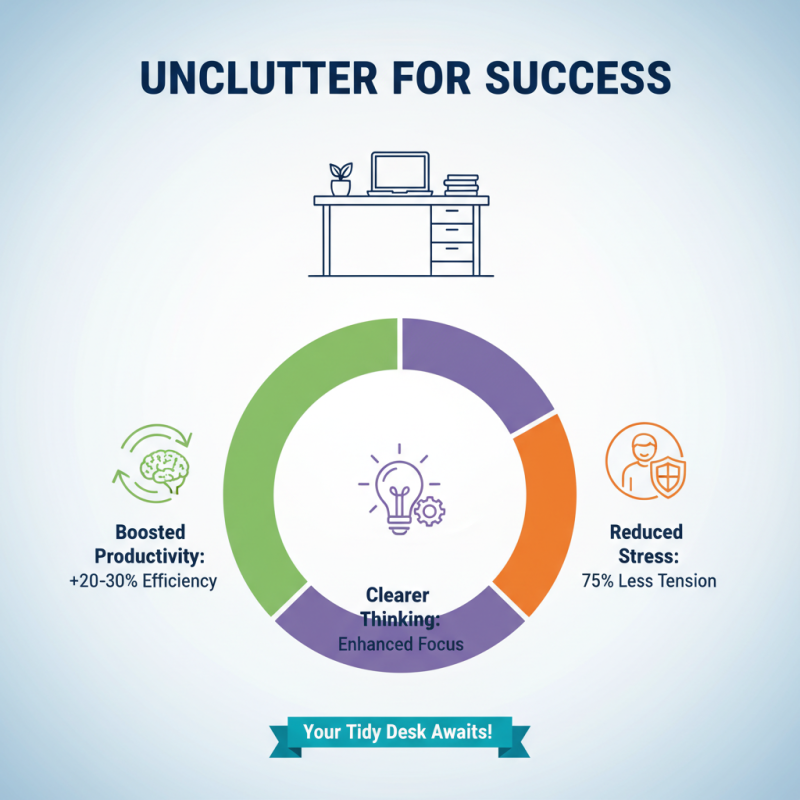
A clutter-free workspace is more than just visually appealing; it directly impacts productivity. Research shows that individuals working in organized environments report a 20-30% increase in efficiency. A tidy desk often leads to clearer thinking. Distractions from clutter can decrease focus, leading to wasted time. Studies reveal that 75% of employees feel more stressed in cluttered spaces.
Creating an organized workspace involves thoughtful design. Items should be easily accessible, and surfaces should be clear. A clean desk can boost morale. While it might seem daunting, only a few minutes spent each day on maintenance can make a significant difference. The notion of "out of sight, out of mind" can be misleading. Forgotten items in drawers may also hinder your productivity.
Furthermore, consider the psychological effects of clutter. A study indicated that 40% of individuals feel overwhelmed when faced with messy environments. This emotional burden can lead to procrastination and lower performance. Embracing an orderly space is not just beneficial; it is vital for sustained productivity. Reflect on your workspace frequently. Assess what you can eliminate or organize for a more effective setup.
Utilizing Technology: Smart Furniture Solutions for Productivity
In today's fast-paced work environment, integrating smart furniture solutions can significantly boost productivity. Research indicates that well-designed workspaces can increase productivity by up to 20%. Utilizing technology in furniture design creates more than just a visually appealing office; it enhances functionality and employee well-being.
Tip 1: Consider adjustable desks. They allow employees to switch between sitting and standing, reducing fatigue. A recent survey showed that 75% of employees feel more energized when using sit-stand desks. This simple adjustment can lead to better focus and higher output.
Smart furniture, like desks with built-in charging stations, promotes tech integration. Employees save time that would otherwise be spent searching for outlets. This streamlined setup leads to less frustration and more efficient workflows. The lack of wires also reduces workplace hazards, creating a safer environment.
However, not every office can or should fully adopt technology. Integrating high-tech furniture may introduce complications. Employees might feel overwhelmed with constant connectivity. Therefore, balancing traditional and smart solutions is crucial. An ideal workspace keeps its human element while embracing the latest technology improvements.
Enhancing Ambiance: The Role of Lighting and Color in Workspaces
Lighting and color play crucial roles in enhancing workplace ambiance. The right lighting can make a significant difference in focus and energy levels. Natural light encourages alertness, while harsh fluorescent lights can cause fatigue. Ideally, workspaces should have a mix of both. Consider placing desks near windows for that natural glow. However, it’s easy to overlook these details. Many offices rely solely on artificial light, creating a dreary atmosphere.
Color is another vital aspect. Certain hues can influence mood and productivity. For example, blue promotes calmness, while yellow stimulates creativity. It’s essential to choose colors that align with the specific tasks at hand. Yet, many workplaces stick to bland, neutral tones, which can feel uninspiring. A splash of color here and there can invigorate a stagnant space and encourage collaboration.
It’s worth noting that both lighting and color choices can impact individual preferences. What works for one person may not work for another. Different staff members might have different reactions to colors or lighting. It’s essential to engage employees in discussions about their workspace needs. This collaborative approach can yield unexpected insights, leading to a more dynamic and productive environment.