For global buyers, office furniture is more than desks, chairs, and storage units. It shapes employee comfort, workplace efficiency, and a company’s professional image. A poorly designed chair can cause discomfort before the first meeting begins. A narrow desk may restrict movement, equipment, and collaboration. These details become more important when products travel across regions with different climates, budgets, and workplace expectations.
Experienced purchasing teams usually assess several factors before placing an international order. They examine material durability, ergonomic support, packaging quality, assembly requirements, and replacement-part availability. They also check whether suppliers provide clear product specifications, realistic lead times, and consistent quality control. The search phrase “office fur” may appear in online buying research, but reliable buyers should focus on verified office furniture information and practical performance. Photos alone are not enough.
Details matter.
A successful purchase must work beyond the showroom. It should remain stable during shipping, fit the intended floor plan, and support daily use for years. However, no checklist is perfect. A buyer may overlook noise levels, cleaning routines, or local maintenance skills. That weakness deserves honest review. Consulting qualified suppliers, requesting samples, and comparing independent feedback can reduce avoidable risks. Global buyers should also consider responsible sourcing, worker safety, and transparent business practices. Good office furniture is not simply attractive or inexpensive. It is a long-term business decision supported by evidence, careful testing, and clear communication.
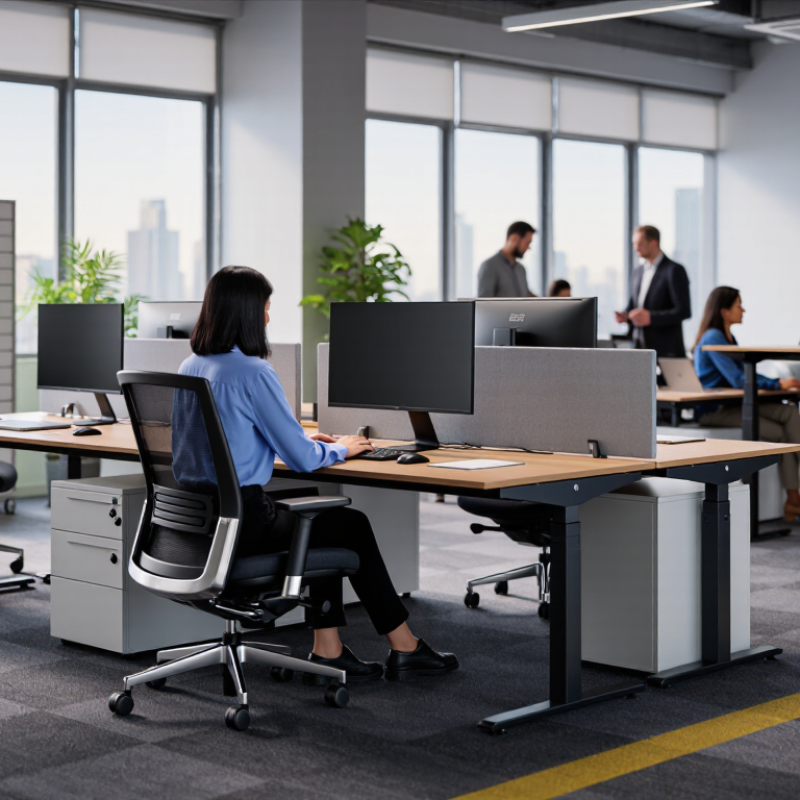
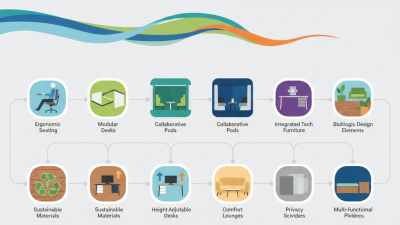
Office furniture is the physical equipment that supports work inside professional spaces. It includes desks, ergonomic chairs, meeting tables, storage units, reception counters, and workstations. Its scope now extends further. Acoustic panels, monitor arms, lighting supports, and flexible collaboration furniture also belong to this category.
For global buyers, office furniture means more than attractive products. It involves workplace planning, employee comfort, durability, shipping, assembly, and long-term maintenance. A buyer may need compact desks for a city office, adjustable chairs for extended computer work, or modular tables for changing teams. Materials matter too. Steel, wood, recycled content, fabric, and surface finishes affect weight, lifespan, cleaning, and transportation costs.
Reliable purchasing usually begins with real workplace evidence. Measure doorways, lifts, floor areas, and cable routes before requesting quotations. Ask for material details, load limits, adjustment ranges, packaging information, and care instructions. Product samples can reveal problems that digital images hide. A chair may look supportive but feel stiff after two hours. A cabinet may fit the room but block a fire exit.
Local requirements and accepted safety practices also influence specifications. Documentation should be clear and consistent. Still, a perfect specification rarely exists. I have seen teams prioritize appearance, then discover uncomfortable seating and difficult installation. A better approach combines user trials, technical checks, and honest feedback. Global buyers should treat office furniture as an operational system, not merely a collection of decorative objects.
Office furniture is more than a visual feature in a modern workplace. It supports concentration, communication, safety, and daily comfort. In my experience, an adjustable chair can reduce shoulder tension during long computer sessions. A desk with suitable height also helps employees maintain healthier working positions. These details influence energy levels and work quality. Small design choices matter.
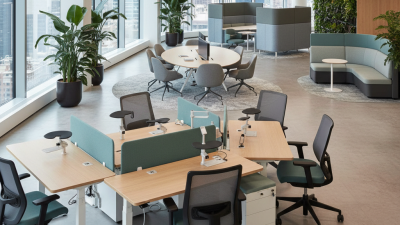
Furniture also shapes how teams use space. Modular desks can support focused work today and group projects tomorrow. Lockable storage protects documents and keeps shared areas orderly. Acoustic panels can reduce distracting conversations in open offices. Durable materials may lower replacement costs for global buyers. However, appearance is sometimes valued too highly. A beautiful chair is not useful if it feels uncomfortable after two hours. No layout works perfectly for every employee.
Tips: Measure the room before purchasing. Check chair adjustment ranges, desk dimensions, material strength, and cleaning requirements. Ask users to test key furniture before placing a large order. Review shipping conditions and assembly needs carefully. Keep spare parts available when possible. One overlooked screw can delay an entire workspace. Feedback should continue after installation, because real use reveals problems that product specifications cannot show.
Office furniture directly influences how people work, feel, and recover during the day. A desk at the wrong height can cause shoulder tension after only a few hours. A supportive chair helps employees maintain a more natural posture during long tasks. Small details matter.
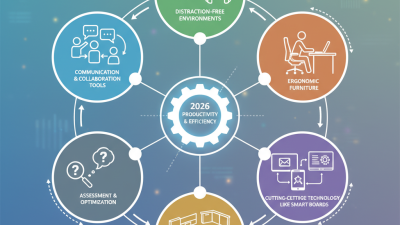
Productivity often depends on movement and focus, not expensive appearances. Adjustable desks allow employees to alternate between sitting and standing. Monitor arms can reduce neck strain and improve screen positioning. Storage placed within reach also limits repeated twisting and unnecessary interruptions. In practical workplace assessments, lighting, noise, circulation space, and furniture layout are reviewed together. One attractive chair cannot solve a poorly planned office.
Health needs careful attention from global buyers because body sizes, work habits, and office spaces vary across regions. Furniture should offer adjustable seat depth, stable lumbar support, and durable surfaces. Materials should be easy to clean and suitable for frequent use. Employee experience also includes privacy, collaboration, and personal control. A quiet corner may help focused work, while shared tables can support quick team discussions. Still, not every flexible layout works well. Some employees may feel distracted or exposed. Buyers should test furniture with real users, collect feedback, and revise the plan instead of trusting a catalog image. Real comfort is measurable over time.
| Furniture or Design Dimension | Relevant Evidence-Based Data | Potential Effect on Productivity and Health | Employee Experience Impact | Global Buying Considerations |
|---|---|---|---|---|
| Adjustable Workstations | Workplace interventions using sit-stand desks have reduced sitting time by approximately 30–120 minutes per workday in short- to medium-term studies. | Alternating between sitting and standing can reduce prolonged sedentary behavior and may help relieve discomfort associated with remaining in one posture for long periods. | Height adjustment gives employees more control over posture, task setup, and daily movement. | Check height range, load capacity, electrical compatibility, noise level, stability, warranty, and compliance with local electrical and safety requirements. |
| Ergonomic Office Chairs | Ergonomic workplace interventions are associated with improvements in reported musculoskeletal discomfort, particularly in the lower back, neck, and shoulders, although results vary by intervention and study design. | Adjustable seat height, lumbar support, backrest angle, and armrests help users maintain a more suitable working posture and may reduce physical fatigue. | A chair that fits different body sizes communicates comfort, inclusion, and organizational care. | Prioritize adjustable seat depth, breathable materials, replaceable components, robust casters, user testing across body sizes, and conformity with applicable ergonomic standards. |
| Monitor and Desk Positioning | Poor screen height and viewing distance are commonly linked with neck and eye discomfort. Ergonomic guidance generally recommends positioning the top of the screen at or near eye level and keeping the viewing distance comfortable for the user. | Proper positioning can reduce unnecessary neck flexion, awkward reaching, and visual strain during computer-based work. | Flexible monitor arms and cable management make work areas easier to personalize and keep tidy. | Confirm compatibility with different monitor sizes, desk thicknesses, mounting systems, and regional requirements for cable safety and power access. |
| Daylight and Visual Access | In a workplace study, employees in offices with windows received approximately 173% more white-light exposure during work hours and reported approximately 46 additional minutes of sleep compared with employees in windowless offices. | Access to daylight and outside views may support circadian alignment, alertness, sleep quality, and perceived workplace satisfaction. | Natural light and visual connection with the outdoors can make offices feel more comfortable, open, and less stressful. | Consider workstation orientation, glare control, privacy, solar heat, local climate, and the balance between daylight access and screen visibility. |
| Acoustic Planning and Privacy | Noise and speech distraction are consistently reported as major sources of dissatisfaction in open-plan offices. Research has linked unwanted noise with reduced perceived concentration and greater cognitive annoyance. | Acoustic screens, enclosed meeting areas, absorptive surfaces, and zoning can help reduce interruptions and support focused work. | Employees benefit when the office provides both collaboration areas and quiet spaces for confidential or concentration-intensive tasks. | Evaluate acoustic performance ratings, fire classification, cleanability, space density, cultural expectations regarding privacy, and local building regulations. |
| Indoor Air and Furniture Layout | A controlled office study found that cognitive test scores were approximately 61% higher under green ventilation conditions and 101% higher under enhanced ventilation conditions than under conventional conditions. | Furniture layouts that preserve airflow and avoid blocking supply or return vents can support indoor environmental quality and occupant comfort. | Fresh, comfortable air contributes to employees' perception of a healthy and well-managed workplace. | Coordinate furniture density and height with HVAC design, local climate, maintenance access, material emissions, and indoor-air-quality requirements. |
| Collaborative and Flexible Furniture | Activity-based workplace research indicates that employees use different settings for different tasks; no single workstation type effectively supports focused work, meetings, learning, and social interaction equally well. | Providing task-appropriate spaces can reduce unsuitable working conditions and support collaboration, concentration, and informal knowledge sharing. | Choice of settings can improve autonomy and help employees select an environment that matches their task and preferred work style. | Assess modularity, reconfiguration time, storage, durability, wheelchair access, local labor practices, and the ratio of individual to collaborative work. |
| Inclusive and Accessible Design | Universal-design principles recommend that workplace environments accommodate a broad range of physical abilities, body dimensions, sensory needs, and work practices rather than relying on a single standard user. | Accessible circulation, adjustable furniture, clearances, and suitable controls can reduce barriers and support safer participation. | Inclusive furniture strengthens employees' sense of belonging and reduces the need for individuals to request special arrangements. | Verify accessibility dimensions, control reach ranges, anti-tip stability, surface contrast, local building codes, and requirements for users with disabilities. |
| Sustainable and Low-Emission Materials | Building and furniture materials can contribute to indoor volatile organic compound emissions. Low-emitting materials and recognized environmental product documentation can help buyers evaluate potential indoor-air impacts. | Selecting durable, repairable, and low-emission products can support healthier interiors and reduce replacement-related disruption. | Visible sustainability choices can improve employees' perception of organizational responsibility when supported by credible documentation. | Request material declarations, emission test results, recycled-content information, repairability data, packaging details, and end-of-life or take-back options. |
| Durability and Lifecycle Value | Total cost of ownership includes purchase price, delivery, installation, maintenance, replacement parts, downtime, and disposal rather than purchase price alone. | Durable furniture reduces failures, workstation disruption, and the risk of unsafe components during the product's service life. | Consistent quality and quick access to replacement parts improve trust in the workplace environment. | Compare expected service life, load testing, spare-part availability, repair procedures, regional service coverage, shipping conditions, and warranty terms. |
Why Is Office Furniture Important for Global Buyers?
Global buyers now assess office furniture against changing work patterns. CBRE’s 2024 Global Workplace Occupancy and Sentiment Survey reported that employees average 3.2 office days weekly. This makes flexible furniture essential. Desks should support shared use, while lightweight chairs and mobile screens allow quick layout changes. Space must work harder.
Ergonomics remains a practical purchasing factor. Buyers should check adjustable seat height, lumbar support, desk clearance, and monitor positioning. ISO 9241 provides useful guidance for human-centred workstation design. Materials also matter. Low-emission panels, durable fabrics, and repairable parts can reduce replacement pressure. Yet “sustainable” claims need evidence, not attractive wording. Request test reports, material declarations, and warranty terms.
Cost extends beyond the purchase order. Buyers compare shipping volume, assembly time, maintenance, spare parts, and expected service life. Gallup’s State of the Global Workplace: 2024 Global Insights found that only 23% of employees are engaged worldwide. Furniture cannot solve engagement alone, but poor lighting, noise, and uncomfortable seating can weaken daily performance. I would not choose the cheapest option automatically. A lower price may hide frequent repairs, complicated installation, or unusable dimensions. Local standards, accessibility needs, climate, and cultural preferences also require review. Mistakes still happen when procurement teams trust catalog images more than real-user trials.
For global buyers, office furniture is more than a desk or chair. It must perform safely across different workplaces, climates, and procurement systems. International standards help buyers compare products with less guesswork. They may cover strength, stability, fire performance, chemical emissions, and electrical safety. The exact requirement depends on the destination market and product category. Suppliers should provide current test reports, material declarations, and traceable production records. Documents matter. So does what happens on the factory floor. In practice, buyers should inspect joints, edge finishes, packaging, and adjustment mechanisms before placing large orders.
Sustainability also requires evidence, not attractive language. Recycled content, certified wood, low-emission panels, repairable parts, and recyclable packaging can reduce environmental impact. Yet one green feature does not make a product sustainable. A heavy desk shipped halfway around the world may carry a larger footprint than expected. Buyers should ask about material origin, energy use, product lifespan, and end-of-life options. Calculations are not always perfect. We once overlooked replacement hardware in a lifecycle review. That small detail changed the maintenance estimate.
Supply chain requirements shape the final buying decision. Standardized cartons, accurate dimensions, moisture protection, spare parts, and clear labeling reduce delays at ports and warehouses. Lead times should include testing, sampling, production, customs, and possible rework. A low factory price can become expensive after damage, storage, or missed installation dates. Buyers need contingency plans, but not excessive inventory. Regular supplier communication, batch inspections, and digital records improve reliability. Still, forecasts can fail. Good procurement leaves room for correction.
International standards, sustainability targets, and supply-chain constraints all influence how office furniture is designed, packed, shipped, and assessed. Standardized container dimensions are especially important because they affect packaging efficiency, freight planning, and transport-related emissions.
The chart compares nominal internal volume for common ISO freight-container formats. Larger containers can provide more loading capacity, but furniture dimensions, protective packaging, weight limits, and product disassembly requirements must also be considered. ISO 668 defines container classifications and dimensions, while ISO 14001 and ISO 14083 provide internationally recognized frameworks relevant to environmental management and transport-chain greenhouse-gas reporting.
Source references: ISO 668:2020, Series 1 freight containers—Classification, dimensions and ratings; ISO 14001:2015, Environmental management systems; ISO 14083:2023, Quantification and reporting of greenhouse gas emissions arising from transport chain operations. Values shown are commonly published nominal internal volumes; actual usable volume varies by container construction and loading conditions.
Fast, modern and
At your fingertips
Tremain´s Blaze fast program
Was created for customers
That need product FAST!
Download catalog
Blaze Catalog