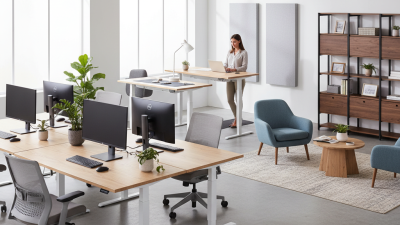
What is Work Office Furniture and How to Choose the Right Pieces?
Choosing the right work office furniture is crucial for a productive workspace. According to a report by IBISWorld, the office furniture industry is projected to grow significantly, reaching $12 billion by 2024. This growth reflects how essential furniture is in shaping efficient work environments. Andrew Markham, a leading expert in workspace design, states, “Well-chosen furniture influences not just comfort, but also collaboration and creativity.”
Companies often overlook the importance of ergonomics when selecting work office furniture. Poorly designed chairs can lead to health issues, impacting employee performance. A study by the American Psychological Association found that 40% of workers feel uncomfortable in their offices due to inadequate furniture. Investing in quality pieces can enhance well-being while reducing long-term costs.
While aesthetics are important, functionality should not be compromised. It’s essential to create spaces that foster teamwork and focus. Balancing style and practicality can be challenging. Remember, the goal is to support diverse work styles, whether for quiet concentration or lively brainstorming sessions. Addressing this complexity ensures a workspace that truly meets employee needs.
What is Work Office Furniture: A Comprehensive Overview
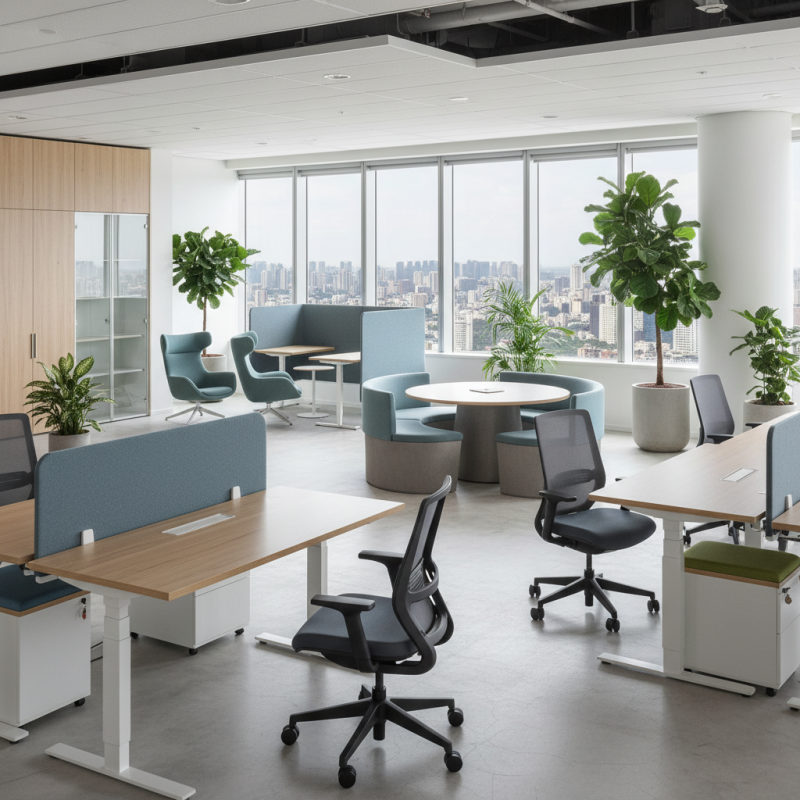
Work office furniture plays a crucial role in creating an efficient workspace. It includes desks, chairs, cabinets, and shelving. These pieces must blend functionality with style. A well-designed office can improve productivity and comfort. However, not everyone knows how to select the right items. This can lead to poor choices that hinder work.
Choosing work office furniture requires careful consideration. Think about the space you have. Is it large or small? Will it be shared or private? Your answers shape your selections. Ergonomics is another factor. An uncomfortable chair can cause discomfort. This affects focus and workflow. Functionality is key. Look for desks with storage options to minimize clutter.
Colors and materials matter too. Aesthetics can affect mood. Bright colors might inspire creativity, while neutral tones promote calm. Remember to reflect on your preferences. A cluttered desk might not suit a minimalist's taste. Embrace imperfections, as they can drive innovation. Selecting the right furniture is a journey. Each piece should resonate with your work style and environment.
Office Furniture Market Overview
This bar chart represents the sales volume of various types of office furniture in millions. As shown, desks have the highest sales volume, followed by chairs and storage solutions. This information can help businesses in making informed decisions when selecting office furniture.
Key Types of Work Office Furniture and Their Functions
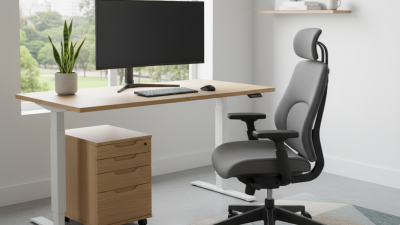
When setting up an office, choosing the right furniture is crucial. Desks, chairs, and storage units play vital roles. The desk is your workspace; it should fit your tasks. Adjustable desks allow for standing or sitting, which promotes better posture. Choose a desk with ample surface area for your computer and documents.
Office chairs are equally important. A good chair supports your back and encourages comfort. Ergonomic designs are popular, but they may not suit everyone. Test various styles to find what feels right. Don’t overlook aesthetics; a stylish chair can enhance the office vibe.
Storage furniture helps keep your space organized. Filing cabinets can declutter your desk. Open shelving displays books or awards, adding personality. But too much clutter can create stress. Balance storage with open space to enhance focus and creativity. The right combination of pieces can significantly affect productivity and well-being.
Factors to Consider When Choosing Office Furniture
When selecting office furniture, several crucial factors come into play.
Comfort is a primary consideration. Research shows that 70% of employees report improved productivity in ergonomic chairs.
The right desk height reduces strain, promoting better posture.
Workers spend an average of 8 hours a day seated.
Investing in ergonomic options is worth it for health and performance.
Space is another important aspect. An average office size is around 150-250 square feet per employee. This requires careful planning.
Overcrowded spaces can hinder movement and waste time.
Open spaces can foster collaboration, but too much openness can lead to distractions.
Better layout choices can enhance workflow.
Aesthetic appeal matters too. Attractive furniture has been linked to higher morale.
Employees feel happier in vibrant environments. Yet, finding a balance between style and functionality can be challenging.
Simple designs often prove more practical.
Assessing color schemes can create a cohesive look. Remember to regularly revisit your choices for continuous refinement.
How to Assess Your Space for Optimal Furniture Arrangement
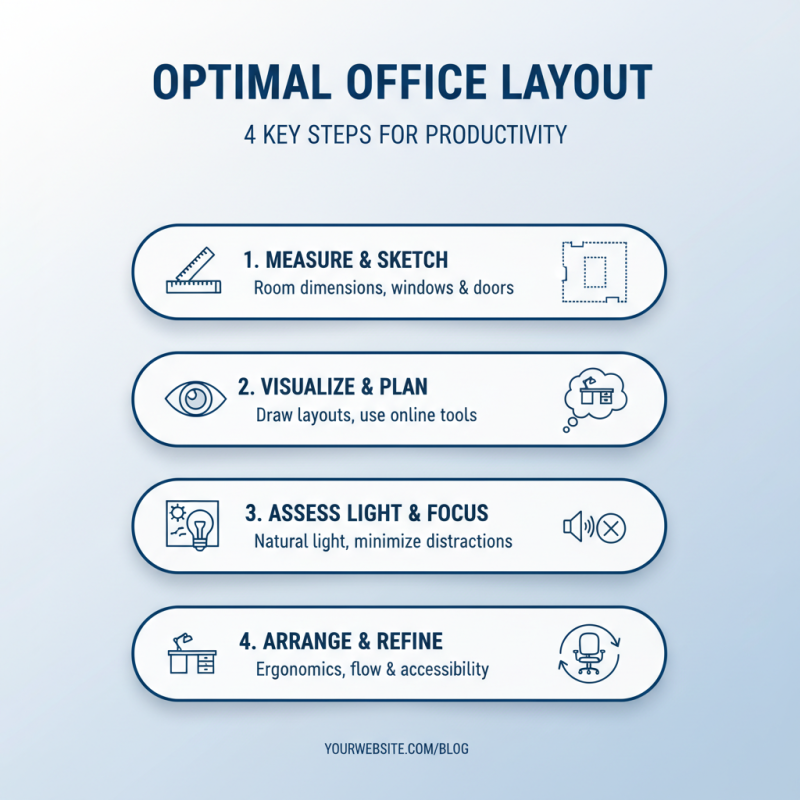
Assessing your space for optimal office furniture arrangement involves careful consideration. Start with measuring your room. Note the dimensions of walls, windows, and doors. Create a simple sketch. This will help you visualize the layout. Sometimes, a cluttered space can feel overwhelming. Identify areas that need more light or less distraction.
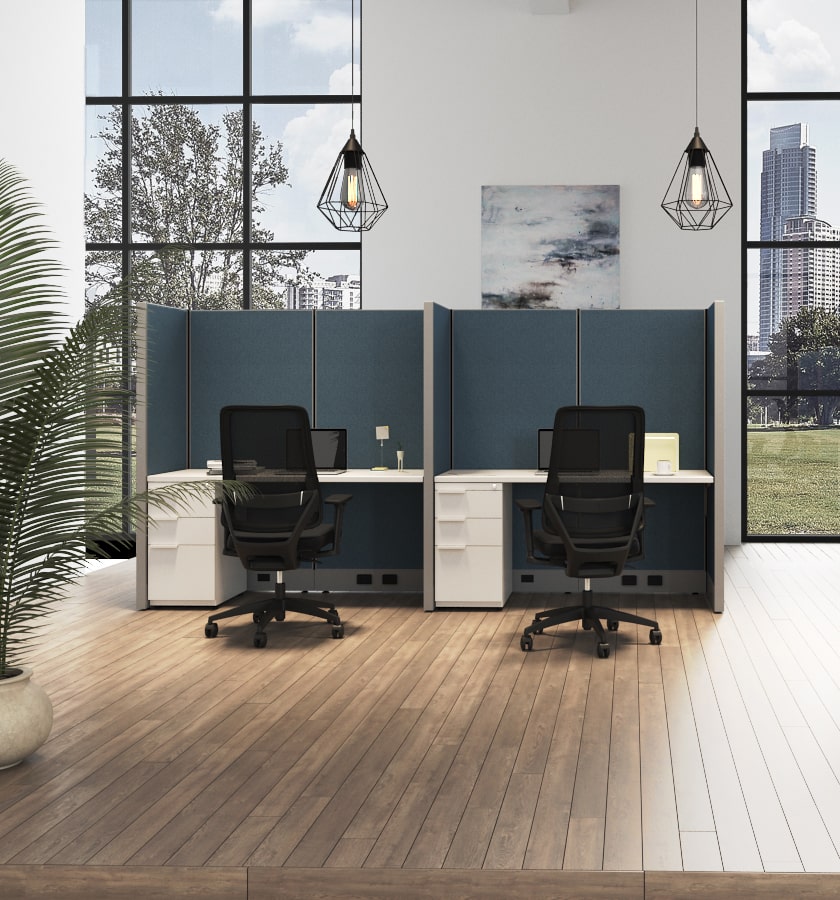
Next, think about how you work. Do you often collaborate? Leave room for movement. Consider a central table or group seating for team discussions. If you need quiet, position desks away from traffic. Use partitions to enhance privacy. Always remember not every layout will be perfect the first time. You may find certain arrangements don't work as expected.
Reevaluate the flow of your space. It’s okay to rearrange multiple times. Keep testing until you find an arrangement that feels right. Incorporate plants or personal touches to enhance comfort. A well-thought-out space can boost productivity and creativity. Make adjustments as needed and don't hesitate to experiment.
Tips for Maintaining and Caring for Office Furniture
Maintaining office furniture is essential for longevity and aesthetics. Regular care can enhance the work environment. Start with simple cleaning routines. Dust surfaces often to prevent buildup. Use a damp cloth for spills and stains. Many don't realize this simple step can prevent damage.
Tips for maintaining your office furniture include checking for loose screws or hinges. Tighten them if needed; it’s an easy fix. Rotate chairs and other seating options regularly. This practice ensures even wear and prolongs their life.
While organizing your space, ensure that heavy items are not placed on delicate surfaces. It's easy to overlook this. Consider using coasters, too. Minor investments here can keep surfaces scratch-free. Such practices may seem trivial but greatly affect durability.
What is Work Office Furniture and How to Choose the Right Pieces? - Tips for Maintaining and Caring for Office Furniture
| Furniture Type |
Material |
Recommended Features |
Maintenance Tips |
| Office Desk |
Wood, Metal, Glass |
Ample Surface Space, Ergonomic Design |
Dust regularly, Use coasters for drinks |
| Office Chair |
Fabric, Leather, Plastic |
Adjustable Height, Lumbar Support |
Vacuum weekly, Clean with appropriate cleaners |
| Conference Table |
Wood, Laminate |
Large Surface Area, Power Outlets |
Use placemats, Polish wooden surfaces |
| Filing Cabinet |
Metal, Wood |
Multiple Drawers, Locking Mechanism |
Keep drawers clean, Check locks regularly |
| Bookshelves |
Wood, Metal |
Adjustable Shelves, Stylish Design |
Dust shelves monthly, Avoid overloading |