How to Choose the Best Work Desks for Your Office 2026
Choosing the right work desks is crucial for any office. A well-selected desk not only enhances productivity but also affects employee well-being. In 2026, the options for work desks are vast, with designs that cater to various preferences and needs.
Consider ergonomic features; they can greatly impact comfort. Adjustable desks allow for customizable heights, helping to prevent strain. Office aesthetics also play a role. A visually appealing desk can promote a positive atmosphere. Moreover, some might overlook the importance of materials. Quality materials provide durability, enhancing long-term reliability.
However, many make choices based solely on trends. A trendy desk may not suit every individual’s needs. This could lead to discomfort and dissatisfaction over time. It’s essential to balance style with functionality. Reflecting on personal requirements helps ensure that the selected work desks support productivity and comfort effectively.
Consider the Different Types of Work Desks Available for Offices
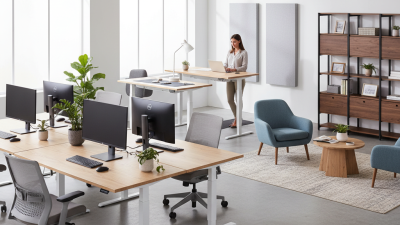
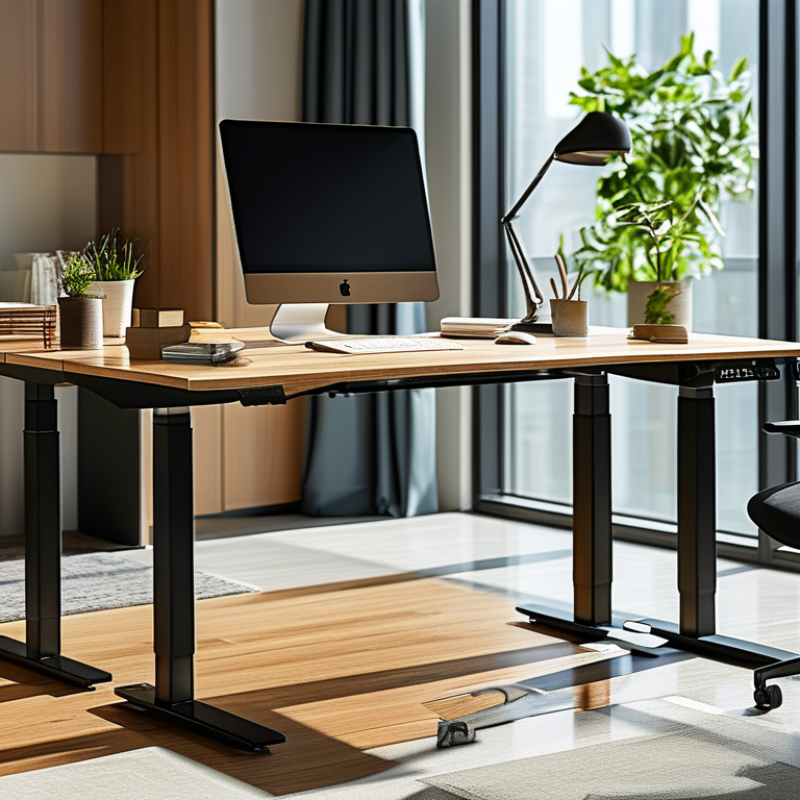
When selecting work desks for an office, it’s essential to understand the various types available. Ergonomic desks have gained immense popularity. According to a recent report by the American Physical Therapy Association, more than 50% of office workers experience discomfort due to poor desk setups. Ergonomic designs can significantly reduce this discomfort, promoting healthier work environments. Adjustable height desks are particularly effective, allowing employees to alternate between sitting and standing throughout the day.
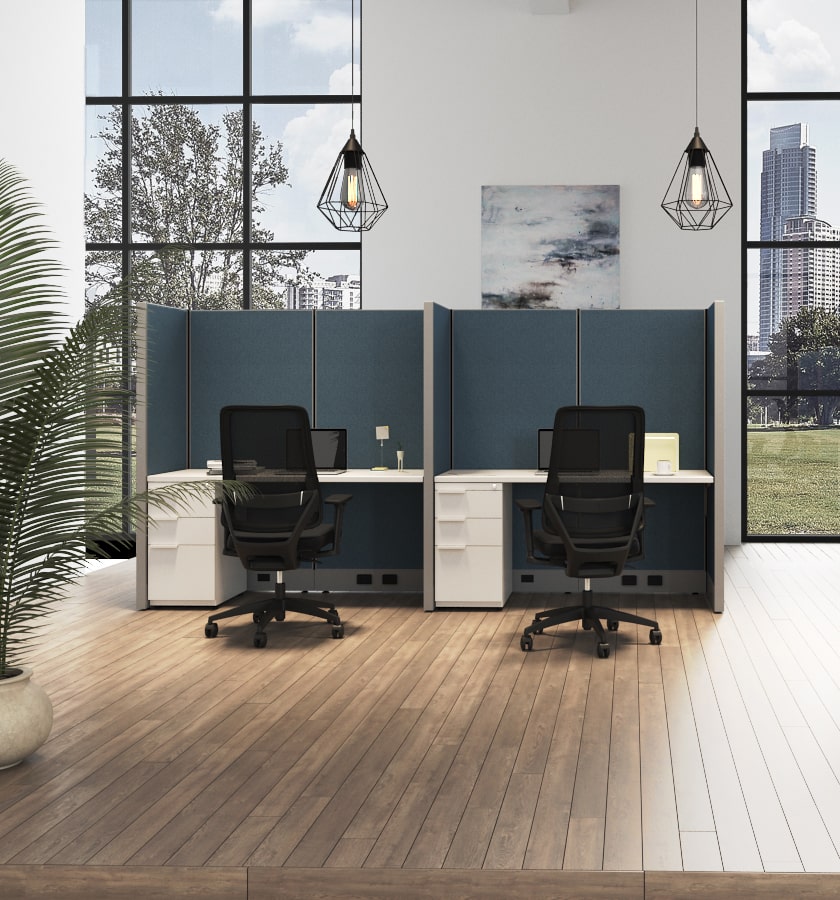
Another option includes collaborative work desks. These desks facilitate teamwork and communication. Research by the International Facility Management Association shows that open office layouts, paired with collaborative desks, can enhance productivity by up to 15%. However, the acoustics and privacy issues often arise in such settings. Noise can disrupt focus, leading to the need for sound-absorbing materials or quiet zones in the workspace.
Lastly, traditional desks still have a place in many offices. They offer stability and often come with extensive storage options. However, they can limit movement and flexibility. A recent survey indicated that nearly 40% of employees expressed a desire for more versatile furniture options. Companies must weigh the advantages and disadvantages of each type of desk. They should consider not only the aesthetic but also how each design can impact overall employee satisfaction and productivity.
Office Desk Types and Their Popularity in 2026
Evaluate Ergonomic Features for Comfort and Productivity
Choosing the right work desk can significantly impact comfort and productivity. Focus on ergonomic features to create a conducive workspace. Look for adjustable height options. This allows users to shift between sitting and standing positions. The right desk can help reduce neck strain and promote better posture.
A desk with a spacious surface is essential. It should accommodate a computer, documents, and personal items. Cluttered workspaces can lead to distractions. Evaluate the desk’s design. Sleek designs can make a small office appear larger. However, overly minimalistic desks might lack functionality.
Consider the material of the desk. Durable materials provide long-lasting use and support. Wood or metal options can enhance stability. A desk should reflect personal style too. It's important that it feels inviting. Contemplate how it influences daily productivity. A desk isn't merely a surface; it is a tool for success. Your workspace creatively shapes your work habits.
Assess Material Durability and Aesthetic Appeal
When selecting work desks for your office in 2026, material durability and aesthetic appeal are crucial. The material significantly impacts longevity. For example, studies indicate that desks made from solid wood can last up to 30 years, while particleboard may only survive 5-7 years under heavy use. This disparity highlights the importance of investing in quality materials that withstand daily wear and tear.
Aesthetic appeal matters as well. A well-designed desk enhances not only the workspace but also employee morale. Research from the American Society of Interior Designers shows that office aesthetics can increase productivity by 15%. Desks with sleek designs and attractive finishes can create an inviting atmosphere. However, balancing appearance with functionality is challenging. Some highly appealing materials may not offer the needed durability, leading to premature replacements.
Consider the environmental impact of your choices. Eco-friendly materials, like bamboo or recycled metal, offer a sustainable alternative. However, they may come with trade-offs in terms of cost or durability. Thus, choosing the right desk involves both assessing visual appeal and understanding the long-term implications of material choice. Reflect on what is truly necessary for your office environment and weigh your options carefully.
How to Choose the Best Work Desks for Your Office 2026 - Assess Material Durability and Aesthetic Appeal
| Desk Type |
Material |
Durability Rating (1-10) |
Aesthetic Appeal (1-10) |
Price Range ($) |
| Standing Desk |
Bamboo |
9 |
8 |
300 - 600 |
| Executive Desk |
Solid Wood |
10 |
9 |
800 - 2500 |
| L-Shaped Desk |
Laminate |
7 |
7 |
400 - 900 |
| Convertible Desk |
Metal and Glass |
8 |
8 |
500 - 1200 |
| Compact Desk |
MDF |
6 |
6 |
200 - 400 |
Determine the Appropriate Desk Size for Your Workspace
Choosing the right desk size for your workspace is crucial for comfort and productivity. A desk that is too large can overwhelm a small office. Conversely, a desk that is too small may leave you cramped and unproductive. Measure your space carefully. Consider not just the desk but also where your chair and other items will be placed.
Ideal desk size varies based on individual needs. Standard desks are often 60 inches wide. However, some people may prefer a 48-inch desk in a smaller area. Think about how you work. If you use multiple monitors or need extra space for documents, opt for a larger surface. Remember, your work habits should drive your choice.
Reflect on your comfort. A desk should provide ample room for your elbows and knees. The height should suit your ergonomics. Ideally, your feet should rest flat on the floor. If your desk feels too high or too low, it can lead to discomfort. Finding the perfect desk size may require trial and adjustment. Don't hesitate to change if needed.
Explore Storage and Organizational Options for Efficiency
When choosing the right desks for your office, consider how they integrate with storage solutions. Efficient organization can greatly enhance productivity. Think about suitable spaces for drawers, shelves, and filing cabinets. Desks that allow for added storage options help keep work surfaces clear. A clutter-free space fosters focus and creativity.
Modular desk designs can offer flexibility. They allow you to customize your office layout as needs change. Look for desks that accommodate add-ons like overhead shelves or side cabinets. This ensures that everything you need is within reach but still organized. However, be mindful that too many storage solutions can lead to overcomplication. Striking the right balance is crucial.
Pay attention to personal and team workflows. Observe how items are used daily. This helps in designing with purpose. Not all desks will fit every work style. Some may require more open space, while others benefit from enclosed storage. It is important to reflect on what arrangement boosts your efficiency. Every office is unique, and so are its storage needs.