Institutional furniture does more than fill a room. It shapes how people learn, work, receive care, and move through shared spaces. The best choices depend on the setting, its users, and the demands placed on each piece. A classroom may need sturdy desks that adjust to different learners. A clinic often needs smooth, easy-to-clean surfaces and supportive seating. A residence hall calls for compact beds, desks, and storage that can handle daily use. Details matter.
This guide explores the top types of institutional furniture, including classroom, healthcare, office, dormitory, dining, and waiting-area pieces. It considers practical factors such as durability, comfort, cleanability, accessibility, and long-term maintenance. These qualities are not equally important everywhere. A chair that works well in a quiet office may be a poor fit for a busy reception area. Buyers should also consider room dimensions, user needs, repair options, and the total cost over time—not only the initial price. Fit matters.
No single product category is automatically the right choice for every institution. Even careful planning can miss how furniture performs during a crowded lunch period or a long day of classes. Comparing materials, construction, and intended use can help teams make more informed decisions. The sections ahead outline common furniture types and explain where each may be most useful, while recognizing that local requirements and real-world experience should guide the final selection.
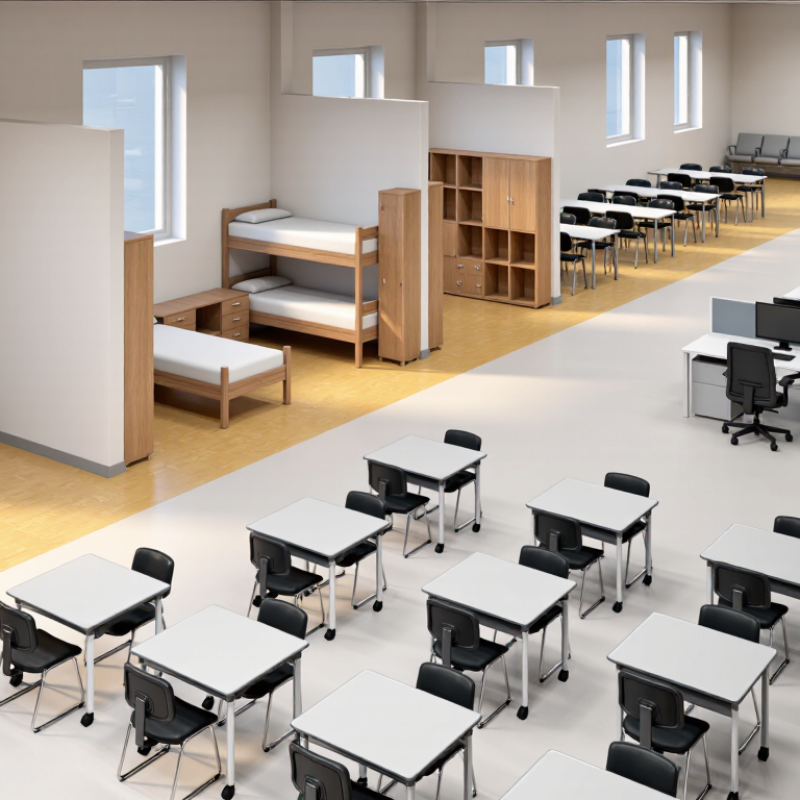
Educational furniture must support varied activities, not simply fill classrooms. Students shift between listening, writing, group work, and quiet reading, sometimes within one lesson. Adjustable desks and chairs can accommodate different ages and body sizes. Stable feet, rounded edges, and easy-to-clean surfaces matter in busy rooms. Comfort matters.
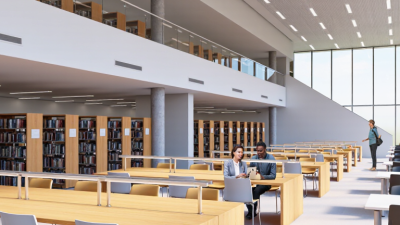
In early learning spaces, low shelves let children reach materials and return them independently. Science rooms need sturdy worktables with wipeable tops and clear paths around sinks. Libraries benefit from individual study desks, shared tables, and soft seating, while preserving accessible routes. Stackable chairs and folding tables can free floor space for assemblies or project work. Details add up. Yet flexibility has limits: lightweight furniture may slide too easily, and soft seating can be difficult to clean. A layout may look orderly before backpacks and daily supplies arrive. Schools can test room plans with students and staff, then adjust spacing, storage, and seating as routines change.
| Furniture Type | Typical Educational Settings | Common Items | Key Selection Considerations |
|---|---|---|---|
| Classroom Furniture | Classrooms, lecture rooms, and seminar spaces | Student desks, chairs, teacher desks, tables, and storage cabinets | Age-appropriate sizing, sturdy construction, easy-clean surfaces, and layouts that support the teaching format |
| Library and Study Furniture | Libraries, reading rooms, and quiet study areas | Bookcases, study carrels, reading tables, lounge seating, and circulation desks | A balance of individual and group study options, accessible circulation routes, and suitable task lighting |
| Laboratory Furniture | Science, technology, and teaching laboratories | Lab benches, stools, storage cabinets, and specialized work surfaces | Materials and layouts should suit the activities, equipment, cleaning routines, and applicable safety requirements |
| Computer and Media Furniture | Computer labs, media rooms, and digital learning spaces | Computer desks, monitor stands, equipment carts, and adjustable chairs | Workstation dimensions, cable management, equipment ventilation, and comfortable seating for screen-based work |
| Dining and Cafeteria Furniture | Cafeterias, dining halls, and student commons | Dining tables, chairs, benches, and serving-area furniture | Durable, cleanable finishes, stable construction, efficient traffic flow, and convenient access for users |
| Auditorium and Assembly Furniture | Auditoriums, lecture theatres, and multipurpose halls | Fixed or movable seating, lecture tables, and presentation furniture | Seating capacity, sightlines, aisle access, room configuration, and maintenance needs |
| Early Childhood Furniture | Preschools, daycare rooms, and early learning areas | Child-sized tables and chairs, low shelves, play tables, and rest mats | Suitable child-scale dimensions, stable design, smooth edges, and materials appropriate for frequent cleaning |
| Administrative and Office Furniture | Administrative offices, staff rooms, and reception areas | Desks, office chairs, filing cabinets, meeting tables, and reception seating | Task requirements, storage capacity, ergonomic adjustability, and appropriate space for visitors and staff |
| Outdoor and Recreation Furniture | Outdoor classrooms, courtyards, and campus recreation areas | Outdoor tables, benches, picnic sets, and weather-resistant seating | Exposure to local weather, surface drainage, stability, maintenance, and accessible placement |
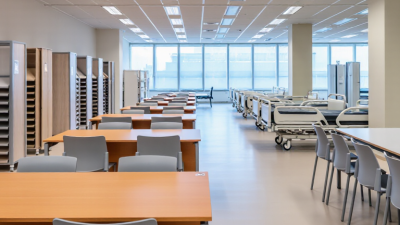
Furniture in healthcare and care facilities must support care routines, not just fill a room. An exam chair should adjust smoothly, with controls easy to reach while wearing gloves. Waiting-room seats need firm arms and stable feet, helping visitors stand without awkward twisting. Small details matter.
Surfaces should tolerate frequent cleaning without becoming rough or discolored. A sealed finish can simplify routine wiping, but facilities should check that it suits their cleaning products. Seams, hinges, and casters deserve attention; dirt often collects where designers overlook. Yet the hardest finish is not always the best choice. Some people find cold, rigid seating uncomfortable during long appointments. Comfort is not decorative.
In care homes, furniture can support independence and dignity. Residents may benefit from chairs with supportive backs, manageable seat heights, and arms they can grip. Bedside tables should keep water, glasses, and personal items within easy reach. Rounded edges and clear pathways can reduce hazards, though they do not replace attentive care. Staff also need room to move equipment and assist with transfers. Teams can test sample pieces with caregivers, maintenance staff, and residents. Feedback may reveal a drawer that catches sleeves or a chair that is too heavy to reposition. Some choices remain compromises.
What Are the Top Types of Institutional Furniture?
Furniture for Offices and Administrative Institutions
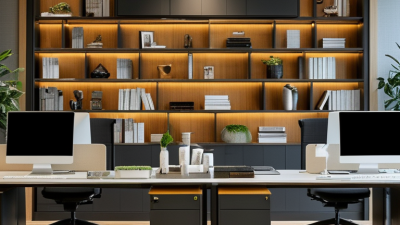
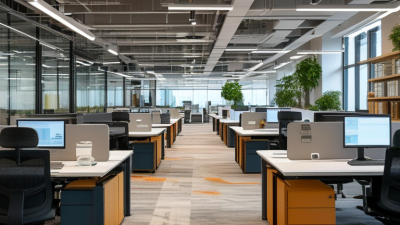
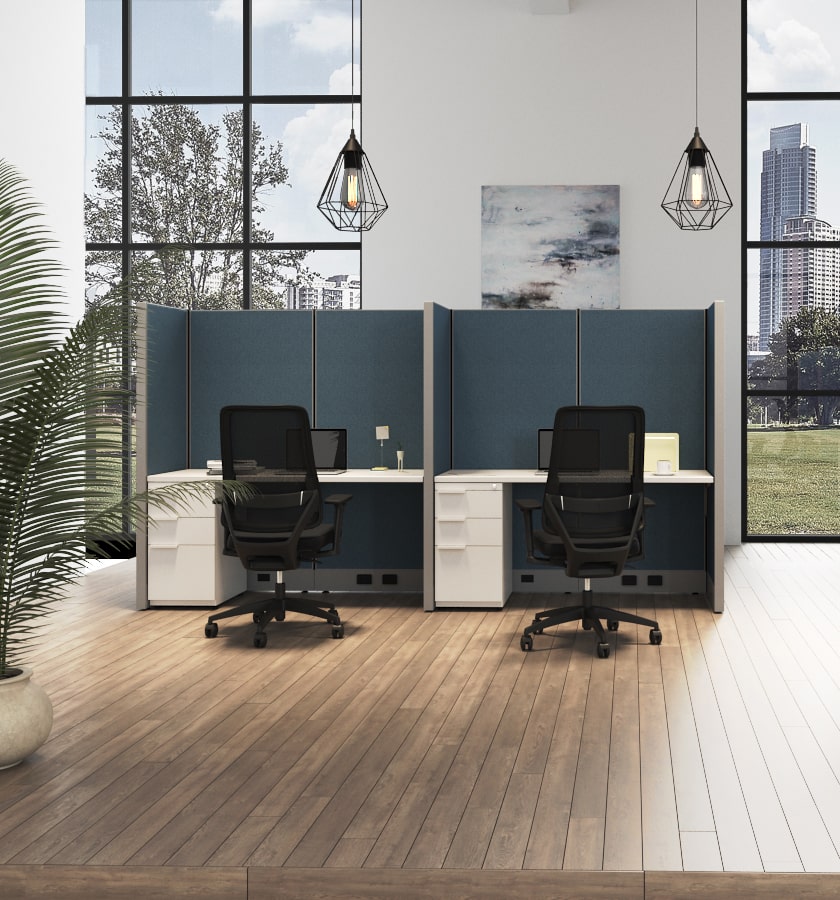
Administrative workplaces need more than rows of desks. Core pieces include adjustable task chairs, desks, conference tables, reception seating, filing cabinets, and secure storage. Choose chairs with adjustable seat height and back support; test them at a real workstation, not only in a showroom. Desks should leave room for a monitor, keyboard, and paperwork without blocking accessible routes. Small details matter. A drawer that catches on a chair becomes an everyday annoyance.
Plan furniture around the work. Shared service counters need durable surfaces and clear visitor sightlines. Meeting rooms benefit from movable tables and stackable chairs, while records areas need labeled, stable shelving. The U.S. Energy Information Administration’s 2018 Commercial Buildings Energy Consumption Survey places office buildings at roughly 17% of U.S. commercial floor space. That scale makes space planning consequential. Gallup’s State of the Global Workplace: 2024 Report estimates that 23% of employees worldwide were engaged in 2023. Furniture alone cannot change engagement, but poor fit can add friction to routine tasks.
Prioritize cleanable finishes, replaceable components, and enough storage for actual records—not an imagined tidy office. Check chair adjustment ranges with staff of different heights. Measure doorways and lift access before delivery. A floor plan can look convincing and still fail on moving day. I would also revisit assumptions after a few weeks; the quiet corner may become the busiest spot, and the “flexible” table may simply wobble.
Institutional furniture for hospitality, dining, and residential settings must handle constant use without feeling impersonal. In hotels and guest lodges, lounge chairs, bedside tables, and lobby seating shape a visitor’s first impression. Look for stable frames, cleanable upholstery, and replaceable parts that simplify upkeep. Small details matter. Rounded edges and firm armrests can help guests sit and stand more comfortably. Dining facilities need tables that resist spills, chairs that stack safely, and layouts that let staff move easily. A smooth, nonporous surface often saves cleaning time, though it may feel less warm than textured wood. That trade-off deserves thought.
Residential institutions, including care homes and student housing, need furniture that supports everyday routines. A supportive mattress, accessible storage, and a sturdy bedside chair can make a room more usable. In shared spaces, consider quiet feet, secure joints, and finishes that tolerate repeated cleaning. Measure doorways and turning areas before ordering; a well-made cabinet is still a poor choice if it blocks circulation. No layout works for everyone. Staff observations are valuable, but residents should also be asked what feels comfortable. Furniture plans sometimes focus too heavily on durability, and that is worth revisiting.
Typical suitability across hospitality, dining, and residential institutions
Scores are illustrative ratings from 1 (less typical) to 5 (highly typical), based on the usual functions of each setting. They are not market-share figures or survey results. Guestroom beds and lounge seating are especially relevant to hospitality, while dining tables and stackable chairs are central to dining spaces; beds and storage cabinets are common in residential institutions.
What Are the Top Types of Institutional Furniture?
Furniture for Public, Community, and Secure Facilities
Institutional furniture must handle frequent use without making shared spaces feel harsh. Public facilities often need waiting-room chairs, reception desks, library tables, and durable benches. In clinics or service centers, smooth, easy-to-clean surfaces can simplify daily care. Rounded edges and stable frames also help reduce bumps and wobbling. Small details matter.
Community spaces have different needs. Multipurpose tables, stackable chairs, and adaptable lounge seating can support meetings, classes, and meal programs. Choose finishes that tolerate spills and regular cleaning, but consider comfort too. A hard, wipeable seat may be practical and still feel unwelcoming during a long wait. No option fits every room. Staff feedback is useful, though it can be overlooked when purchasing decisions focus only on price.
Secure facilities may require robust seating, fixed tables, and storage designed to limit damage and simplify supervision. Select furniture based on the room’s use, cleaning routine, and the people who will use it. Tips: Test a sample chair before ordering in quantity. Check its stability, cleanability, and comfort after sitting for several minutes. Ask maintenance staff what tends to loosen or wear first.
Fast, modern and
At your fingertips
Tremain´s Blaze fast program
Was created for customers
That need product FAST!
Download catalog
Blaze Catalog