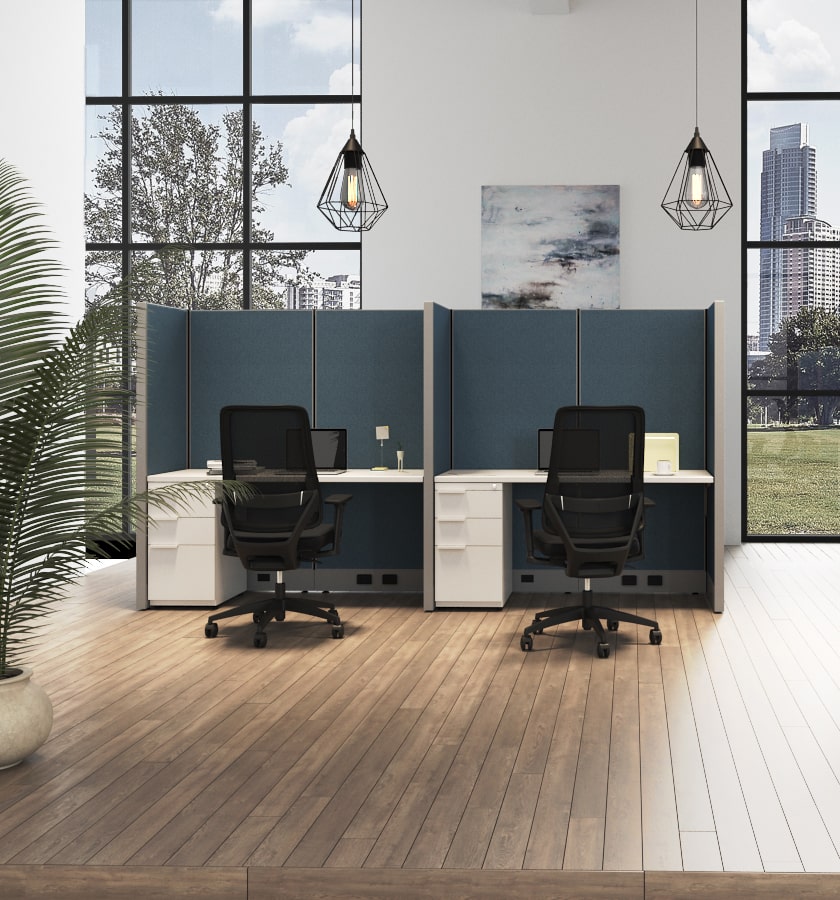
How to Choose Institutional Furniture for Your Facility?
Choosing institutional furniture is not a styling exercise. It is a decision about safety, access, maintenance, and how people use a space every day. A dining chair must handle repeated movement and cleaning. A library table must stay steady under books, laptops, and years of use. The right choice depends on the facility, its users, and its operating budget.
Evidence can help set priorities. The World Health Organization’s 2022 Global Report on Health Equity for Persons with Disabilities estimates that 1.3 billion people experience significant disability. That figure makes accessibility more than a finishing detail. Consider clear routes, reachable work surfaces, supportive seating, and varied user needs. BIFMA’s ANSI/BIFMA performance standards also provide established test criteria for furniture durability and safety. They do not, however, tell you whether a particular chair suits your residents, students, or staff.
Ergonomics researcher Alan Hedge has expressed a useful principle: “Design the job to fit the worker, not the worker to fit the job.” Apply that idea to institutional furniture by testing pieces in the rooms where they will be used. Check seat height, stability, cleanability, and how easily staff can move or reconfigure each item. Ask actual users to try samples. Their feedback may challenge the specification—and that is worth noticing. A furniture choice can look right on paper and still feel wrong after a full shift. This guide examines how to compare materials, evaluate performance, plan for accessibility, and balance upfront cost with long-term use.
Table of Contents
[Hide]
Define the Facility’s Purpose and Furniture Requirements
How to Choose Institutional Furniture for Your Facility?
Choosing institutional furniture starts with the facility’s purpose, not a catalogue. A clinic, school, shelter, and training center demand different layouts, surfaces, and levels of privacy. Map who uses each room, what they do, and how often furniture moves. Watch a typical shift. Note queues, spills, storage gaps, and awkward turning points. These details reveal requirements that a floor plan can miss. A busy reception area may need anchored seating, clear circulation, and wipeable upholstery. A classroom may require light tables that support quick reconfiguration.
Translate observations into measurable requirements. Record room dimensions, doorway widths, load capacity, seat height, work-surface height, and storage volume. Include accessibility needs, cleaning procedures, fire-safety rules, and local procurement standards. Materials should tolerate the facility’s actual routine, not an ideal one. If staff disinfect surfaces several times daily, check chemical resistance and edge construction. If residents use furniture continuously, inspect joints, fasteners, and replaceable components. Small details matter. Rounded corners can reduce impact risk, but they may complicate repairs. That trade-off deserves testing.
Ask staff and users to review a sample arrangement before purchase. A mock-up with tape and loaned furniture can expose blocked sightlines or uncomfortable reach distances. Measure cleaning time, noise, and movement during peak use. Do not rely only on product specifications. They rarely describe real behavior. Requirements may change after observation. That is not failure; it is useful evidence. Document the reasons behind each choice, including rejected options and unresolved concerns. This record supports consistent purchasing and future replacement decisions.
How to Choose Institutional Furniture for Your Facility? - Define the Facility’s Purpose and Furniture Requirements
| Facility Area | Primary Purpose and Users | Typical Furniture Requirements | Key Selection Criteria | Planning Considerations |
|---|---|---|---|---|
| Classroom | Teaching, individual study, group work, and assessments for students and instructors. | Student desks or tables, chairs, instructor workstation, storage, and presentation surfaces. | Choose stable, cleanable furniture suited to the users’ age and activities. Consider adjustable options where users have different needs. | Allow clear routes between furniture and to exits. Arrange tables to support the intended teaching format and accessible seating. |
| Library or Study Area | Quiet reading, research, computer use, and collaborative study. | Study tables, task chairs, computer desks, lounge seating, shelving, and service counters. | Match seating and table styles to quiet or collaborative zones. Select durable, easy-to-maintain surfaces and provide suitable task lighting. | Separate quieter study spaces from group areas where possible. Keep aisles and access to collections unobstructed. |
| Healthcare Waiting Area | Seating for patients, visitors, and caregivers before or between appointments. | Waiting-room chairs, benches, accessible seating, occasional tables, and reception furniture. | Prioritize cleanable, hard-wearing upholstery or surfaces, stable construction, and seating that supports safe sitting and standing. | Provide varied seating options and maintain clear circulation to reception, treatment areas, and exits. Follow applicable accessibility and healthcare requirements. |
| Dining or Cafeteria Area | Meals, refreshments, and informal interaction for occupants and visitors. | Dining tables, chairs, benches, serving counters, and waste or tray-return stations. | Select food-service-appropriate, cleanable materials. Consider table stability, edge durability, and furniture that can withstand frequent movement. | Plan routes between seating, service points, and exits. Confirm that the layout supports cleaning, deliveries, and expected occupancy. |
| Conference or Training Room | Meetings, instruction, presentations, and group discussion. | Conference tables, stackable or nesting chairs, lecterns, and storage for equipment. | Choose configurations that suit the room’s main use. Movable furniture can support changing layouts; chairs should be comfortable for the expected session length. | Check sightlines to displays and presenters, access to power, and clear pathways. Storeable furniture may help when the room serves multiple purposes. |
| Residential or Dormitory Room | Sleeping, studying, storage, and daily living for residents. | Beds, desks, desk chairs, wardrobes or lockers, and bedside storage. | Consider the room’s available floor area, resident needs, cleanability, stability, and the furniture’s suitability for frequent use. | Measure the room and check door, window, and closet access before selecting furniture. Preserve usable circulation and access to emergency exits. |
| Reception or Public Service Area | Welcoming visitors, providing information, and managing check-in or service requests. | Reception desk, staff task chairs, visitor seating, accessible service point, and secure storage. | Match desk height and configuration to staff tasks and visitor interaction. Consider privacy, durable finishes, and secure storage for work materials. | Make the service point easy to locate and keep approach routes clear. Plan for accessible communication and service in accordance with applicable requirements. |
Related Posts
-
Why Is Office Furniture Important for Global Buyers?
-

2026 How to Choose the Best Work Tables for Your Office Needs?
-
Top 10 Work Furniture Ideas for a Productive Home Office
-
How to Choose the Best Office Cabinet for Your Workspace?
-
What is Work Office Furniture and How to Choose the Right Pieces?
-
2025 How to Choose the Best System Furniture for Your Home Office Setup