What Are the 2026 Top Types of Work Tables?
Choosing the right work tables in 2026 will involve more than comparing prices or polished product photos. Modern workplaces need surfaces that match real tasks, body movement, equipment weight, cleaning routines, and available floor space. A packing station may need a durable edge, cable access, and a lower shelf. A laboratory table may require chemical resistance, grounded components, and a surface that remains stable under precise instruments.
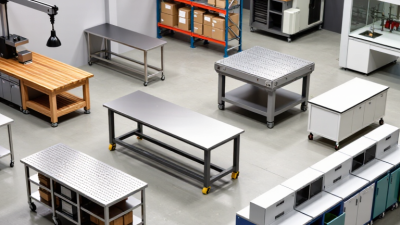
This guide examines the leading types of work tables expected to shape professional environments in 2026. Adjustable-height models support changing postures, while modular tables help teams rebuild layouts as workflows evolve. Stainless steel options remain valuable in kitchens, healthcare areas, and production rooms where hygiene matters. Heavy-duty industrial tables serve demanding applications, but their strength can create unnecessary bulk in smaller spaces.
Details matter.
From experience, a table that feels excellent during a short demonstration may become uncomfortable after several hours. Manufacturers’ load ratings also need careful interpretation. Static capacity does not always reflect vibration, movement, or uneven equipment placement. Sustainability claims deserve similar scrutiny, especially when they describe materials without explaining repairability or service life.
There is no universal winner. The best choice depends on measurable needs, user feedback, safety guidance, and the environment where the table will operate. This overview compares practical strengths, limitations, and ideal applications, helping readers evaluate the 2026 market with professional judgment rather than trend-driven assumptions.
Definition and Core Features of Work Tables in 2026
What Are the 2026 Top Types of Work Tables?
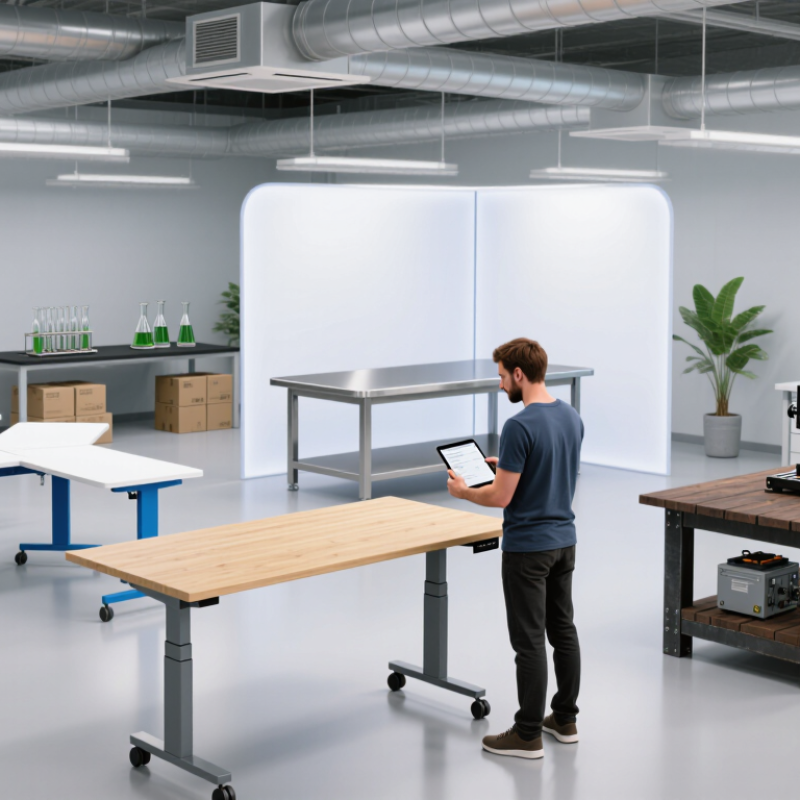
A work table is a stable surface designed for focused tasks, equipment, materials, or shared projects. In 2026, its value depends on more than size and strength. A reliable table supports safe movement, comfortable posture, organized tools, and efficient cleaning. Core features include a durable frame, a level worktop, adequate load capacity, and surfaces suited to the working environment. Adjustable height is increasingly important. It lets users alternate between sitting and standing.
Small details matter.
The leading types include height-adjustable tables, modular workstations, mobile tables, collaborative project tables, and specialized technical benches. Adjustable models suit offices, studios, and hybrid workplaces. Mobile tables help teams reconfigure rooms without excessive lifting. Modular designs allow shelves, cable channels, lighting, or storage to be added later. Technical benches often provide stronger tops, grounding options, and resistance to heat, moisture, or chemical exposure. The right choice depends on task duration, user height, equipment weight, and cleaning requirements.
Real workplace evaluations should include more than product specifications. Measure reach distance, knee clearance, glare, noise, and the effort needed to move the table. A table may appear ergonomic but still encourage awkward shoulder positions. That is easy to miss during a brief demonstration. Safety guidance and load testing can improve purchasing decisions, but daily user feedback remains essential. No table solves every posture problem. A thoughtful design reduces strain while leaving room for better habits, maintenance, and future changes.
Main Types of Work Tables by Function and Workspace
What Are the 2026 Top Types of Work Tables?
Main Types of Work Tables by Function and Workspace
In 2026, work tables are chosen by task, not appearance alone. Industrial work tables support repairs, fabrication, and heavy tools. They often include steel frames, reinforced tops, and adjustable feet for uneven floors. Assembly tables suit electronics, small parts, and repetitive production. Their shallow shelves and bright task lighting keep components within reach.
Computer work tables serve offices, studios, and control rooms. Cable channels, monitor risers, and rounded edges improve daily comfort. Drafting tables provide angled surfaces for technical drawings, design work, and detailed planning. Laboratory tables require chemical-resistant surfaces, stable frames, and easy cleaning. Mobile work tables help workshops that change layout often. They are useful, but small wheels can reduce stability under heavy loads. That trade-off is easy to overlook.
Tips: Match the table’s rated load to your heaviest equipment. Measure doorways, chair clearance, and walking paths before ordering. Test standing height for several minutes, not just several seconds. A perfect setup is unlikely. Recheck lighting and storage after one week. Small adjustments can prevent wrist strain, blocked drawers, and wasted movement.
What Are the 2026 Top Types of Work Tables?
Main work-table types compared by representative work-surface area. Dimensions reflect common commercial furniture planning sizes and are shown in square metres.
Computer and writing tables support individual office tasks, while drafting tables provide deeper surfaces for technical drawing. Workbenches and packing tables prioritize durable, spacious work areas, and meeting/work tables are designed for shared collaboration. Surface areas are calculated from representative width and depth dimensions.
Materials, Sizes, and Designs for Different Work Environments
What Are the 2026 Top Types of Work Tables?
In 2026, height-adjustable work tables remain practical for offices, studios, and home workspaces. OSHA’s Computer Workstations eTool recommends placing monitors about 20–40 inches from the user. A 24–30-inch table depth usually supports that distance without crowding. Electric adjustment helps users alternate between seated and standing positions. It also reduces dependence on one fixed posture. Still, adjustment ranges vary, and not every mechanism feels stable at its highest setting.
Industrial workbenches suit workshops, repair areas, and technical production rooms. Steel frames handle repeated impact, while laminated surfaces resist stains and light abrasion. For laboratories, compact tables with chemical-resistant tops and rounded edges support safer cleaning routines. Collaborative tables often use modular panels, casters, and integrated cable routes. BIFMA’s industry standards emphasize durability, stability, and load performance, but buyers should check the actual test rating. A strong frame does not guarantee a comfortable layout.
Material choice matters more than appearance. Solid wood brings warmth, while high-pressure laminate offers easier maintenance at a lower cost. Recycled-content panels can reduce material demand, although their adhesives and edge quality deserve closer inspection. The EPA’s Sustainable Materials Management reports continue to stress waste reduction and longer product life. In real fit-outs, the best table is rarely the most fashionable one. It is the one that matches task, size, cleaning needs, and future changes. That sounds obvious. It is often missed.
Smart Features and Ergonomic Trends Shaping 2026 Models
What Are the 2026 Top Types of Work Tables?
Smart features and ergonomic design are reshaping work tables for 2026. Height-adjustable tables remain central, supporting seated and standing tasks without complicated controls. The 2024 Global Workplace Survey found that many employees value varied work settings, not one permanent desk. This supports modular tables with casters, folding surfaces, and simple height presets. A quiet motor matters. So does stability.
Newer models may include occupancy sensors, wireless charging, cable channels, and small environmental displays. These features can show desk availability or remind users to change posture. However, smart technology should solve a real problem. A 2024 workplace occupancy benchmarking report recorded average peak office utilization near 53 percent in many organizations. Shared tables could therefore reduce unused space, but only when booking data remains accurate. Sensors sometimes fail. That detail deserves more attention.
Ergonomic trends are becoming more practical. Rounded edges, adjustable monitor arms, anti-fatigue surfaces, and generous legroom support longer work periods. Guidance from occupational safety agencies continues to emphasize neutral wrist positions, screen alignment, and frequent movement. The evidence does not prove that every smart feature improves health. Human habits still matter. I would choose a stable table with reliable adjustment before a table filled with sensors.
How to Choose the Right Work Table for Your Specific Needs
What Are the 2026 Top Types of Work Tables?
Choosing a work table should begin with the task, not the trend. Adjustable-height tables suit mixed sitting and standing work. They also support frequent changes in posture.
The U.S. Bureau of Labor Statistics reported 946,652 cases involving musculoskeletal disorders in 2023.
That figure makes height, reach, and fatigue practical concerns.
Stainless-steel tables fit food preparation, laboratories, and cleaning-heavy spaces. Their smooth surfaces resist moisture and simplify sanitation. But they can feel cold and create noise.
Solid-wood or butcher-block tables offer better impact absorption. They work well for assembly, repair, and craft tasks.
Mobile tables help changing teams and narrow rooms.
Fixed tables usually provide better stability under heavy tools.
The right choice depends on load, surface exposure, available space, and how often workers move.
Tips:
Measure the user and the equipment together. Keep frequently used tools within easy reach. Check the table’s stated load rating, not its appearance. For standing work, add a footrest and anti-fatigue mat. For seated tasks, confirm knee clearance before buying.
OSHA identifies force, repetition, and awkward posture as major ergonomic risk factors. These details matter more than a polished catalog photo.
I would also test a sample table for one full shift. A short showroom trial can hide pressure points, glare, or annoying vibration.