Who Are the Top Work Tables Suppliers in China?
China offers a broad range of work tables, from compact assembly benches to heavy-duty industrial stations. The challenge is not finding a supplier. It is finding one whose products, service, and production capacity match your actual needs. A polished catalog can look convincing, but daily use reveals more: a wobbly frame, awkward drawer access, or a finish that scratches too easily.
This guide explores leading work table suppliers in China and the factors buyers can use to compare them. These include product range, material options, customization, quality-control practices, communication, and export experience. Details matter. A supplier that builds sturdy packing tables may not specialize in ergonomic electronics benches. Ask about load ratings, steel thickness, surface treatments, and how products are checked before shipment. Request drawings or samples when suitable, and confirm that quoted specifications appear in the order documents.
Supplier claims deserve practical verification. A factory visit, independent inspection, or clear production records can help buyers understand what happens beyond the sales conversation. That takes time. It can also prevent costly surprises. Still, no shortlist can replace checking a supplier against your own requirements. Samples may differ from later production, and even a capable manufacturer may not suit every project. The comparisons ahead are a starting point, not a guarantee, for making a more informed sourcing decision.
What Defines a Leading Work Table Supplier in China?
A leading work table supplier in China is defined by evidence, not a polished catalog. Buyers should ask for material specifications, load-test records, dimensional tolerances, and batch inspection procedures. A steel frame should arrive with consistent welds and a smooth coating; a wooden top should have documented thickness and edge finishing. Details matter.
The National Bureau of Statistics of China reported that furniture manufacturers above designated size earned RMB 655.7 billion in operating revenue in 2023. This broad sector figure does not measure work tables specifically, but it shows the scale of the manufacturing base. Scale alone proves little. Request a sample, confirm its dimensions, and test it under the load your workplace requires. Check for wobble, sharp edges, and coating flaws. An ISO 9001 certificate can indicate a quality management system, but it does not independently verify a table’s strength. A reliable supplier should explain what was tested, how results were recorded, and whether production units match the approved sample. I would still verify the first shipment; paperwork can miss small but costly variations.
Overview of China’s Work Table Manufacturing Industry
China’s work table manufacturing industry sits within a much larger furniture sector. The National Bureau of Statistics of China reported that above-designated-size furniture manufacturers generated RMB 655.7 billion in operating revenue in 2023, down 4.4% year on year. This figure covers furniture broadly, not work tables alone. That distinction matters.
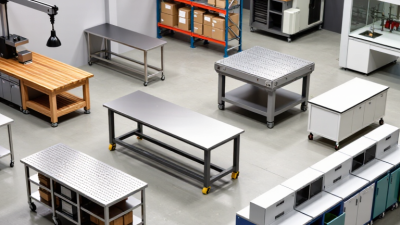
Factories serve varied needs, from compact packing benches to heavy-duty assembly tables. Buyers may compare steel thickness, load capacity, tabletop materials, adjustable height, and packaging protection. A painted frame can look sturdy in a catalogue, yet weld quality and finish consistency need checking on actual samples. Details count.
The China Furniture Association’s industry reporting also offers useful context, but public figures rarely isolate work-table output. This limits market comparisons. Supplier assessments should therefore pair sector data with factory-level evidence, such as inspection records, production capacity, and sample testing. Ask how load ratings were measured, and whether the test matches daily use. A table supporting a stationary tool faces different stresses from one rolled between workstations. Small details can be missed, even in a thorough review.
Notable Work Table Suppliers and Their Company Profiles
China’s work-table suppliers include broad-line metal fabricators and manufacturers focused on specific industries. A stainless-steel specialist may build prep tables with raised backs, undershelves, and adjustable feet. Those details matter in busy kitchens, where uneven floors and frequent washdowns can expose weak joints or poor finishing.
Another supplier profile is the made-to-order workshop. It may adapt table length, leg placement, or drawer layout to fit a buyer’s floor plan. Ask for a dimensioned drawing and clear material specifications before approving production. A polished photograph is helpful, but it cannot show weld consistency or how smoothly a drawer runs. Not always.
Some larger manufacturers offer coordinated products, such as worktables alongside sinks and shelving. Their strength may be repeatable production and a wider choice of standard sizes. Smaller workshops may respond more flexibly to unusual measurements, though their inspection processes can vary. Check sample photos, packaging details, and the process for handling defects. One point is easy to miss: “stainless steel” alone does not describe thickness, grade, or finish.
A practical supplier profile should include product range, customization limits, quality checks, and export experience. Request measurements, load guidance, and confirmation of the exact surface and frame materials. Then compare replies, not just quoted prices. I would still verify samples where possible; written claims can leave gaps.
Product Types, Materials, and Manufacturing Capabilities
Who Are the Top Work Tables Suppliers in China?
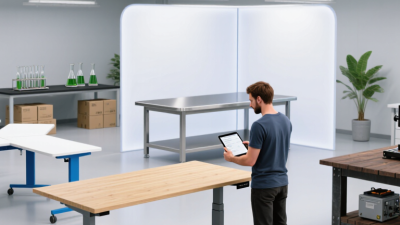
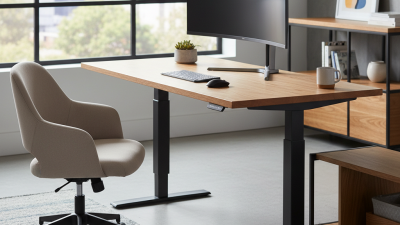
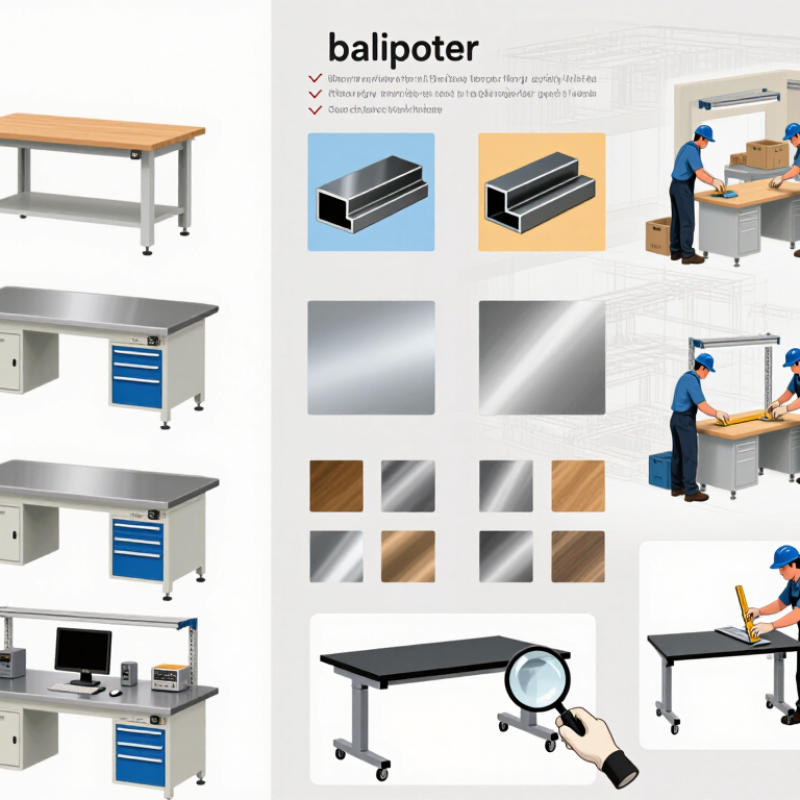
Choosing a work table supplier starts with matching the product to its daily task. Common options include fixed-height assembly benches, mobile packing tables, heavy-duty repair stations, and adjustable-height workstations. A small electronics bench may need drawers, task lighting, and an ESD-safe surface. A warehouse packing table may need a wide top and sturdy casters. No supplier suits every application.
Materials and manufacturing capabilities affect durability and consistency. Powder-coated steel frames resist everyday scuffs, while stainless steel tops suit damp or frequently cleaned work areas. Hardwood and laminate surfaces can work well for lighter assembly, but their edges and finishes deserve close inspection. Ask suppliers about welding methods, coating processes, load testing, and custom dimensions. Request a sample or detailed production photos, then check joints, surface flatness, and moving parts. A polished catalog can hide uneven finishing; specifications alone are not enough.
Tips: Share your expected load, workspace measurements, and cleaning routine before requesting a quote. Ask how the supplier checks samples against mass-production units. Compare like with like, including packaging and replacement-part support. A supplier may excel at fabrication but have limited options for ergonomic accessories, so confirm the details before ordering.
How to Compare and Verify Chinese Work Table Suppliers
Comparing Chinese work table suppliers starts with the job the table must do. Record the required dimensions, load capacity, surface material, and adjustment range. Ask whether quoted specifications apply to the finished product or only to a standard model. A stated load rating is more useful when the supplier explains how it was tested.
Request a current quotation, product drawings, and close-up photos of welds, edges, joints, and adjustable feet. Compare these details across suppliers rather than relying on catalog images. Ask for a sample or a live video walkthrough of the production area. Check how the supplier handles inspection, packaging, and replacement parts. Small details matter: a rough edge or unstable foot can affect daily use. No checklist catches everything.
Verify claims with consistent evidence. Match the company name on quotations and business documents, and confirm that the listed contact can answer technical questions. Ask for recent references or inspection records, while respecting that some information may be confidential. A small trial order can reveal differences in finish, packing, and response time before a larger commitment. Keep questions and answers in writing. Even careful checks leave room for error, and supplier comparisons can feel less certain than a spreadsheet suggests.