What Are the Best Types of Workplace Furniture in 2026?

Choosing workplace furniture in 2026 means looking beyond polished desks and matching chairs. Hybrid schedules, video calls, and focused work all place different demands on a room. The right setup may include adjustable task chairs, sit-stand desks, acoustic screens, and small meeting tables. But more furniture is not automatically better. A crowded floor can make movement harder and collaboration noisier.

Research offers a useful starting point. Leesman’s workplace-experience framework assesses 21 work activities, including focused work, informal socializing, and learning. That range shows why one furniture layout rarely serves every task well. Gensler’s 2024 Global Workplace Survey also examines how workplace design supports employee experience and performance. These reports do not prescribe one perfect chair or desk; they point toward choices shaped by real tasks and user feedback. Small details count: a monitor arm that frees desk space, a chair adjusted to the user, or a quiet seat away from a busy walkway.

Ergonomics expert Dr. Alan Hedge has described ergonomics this way: “Ergonomics is the science of designing the job to fit the worker, rather than forcing the worker to fit the job.” That principle is practical, not decorative. Still, furniture alone cannot fix poor lighting, unclear work routines, or constant interruptions. There is a trade-off. This guide compares the best furniture types for comfort, flexibility, collaboration, and long-term value, while noting where the evidence leaves room for judgment.
What Are the Best Types of Workplace Furniture in 2026?

What Workplace Furniture Includes and How It Shapes the Work Environment

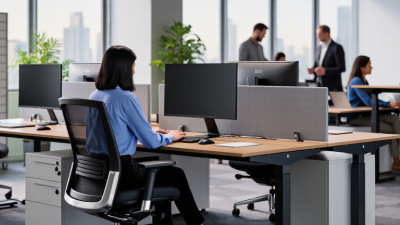
Workplace furniture is more than desks and chairs. It includes task chairs, work surfaces, sit-stand desks, storage, meeting tables, lounge seating, and movable screens. Together, these pieces shape how people move, focus, meet, and share space. An adjustable chair and an elbow-height desk can reduce awkward reaching. A narrow aisle can undo that benefit. Layout matters as much as the furniture itself. A polished room can still feel uncomfortable.

The 2015 Human Spaces report drew on 7,600 workers across 16 countries. Employees in workplaces with natural elements reported 15% higher wellbeing, 6% higher productivity, and 15% more creativity. These are reported associations, not proof that furniture alone creates results. Still, they support pairing furniture choices with daylight, plants, and views where possible. Acoustic screens and small meeting tables can create quieter focus areas without isolating teams. One trade-off is easy to miss: too many partitions can make a floor feel cramped.

Tips: Test chairs and desks at users’ actual heights. Check reach, legroom, cable paths, and aisle clearance. Ask staff what feels awkward after a full week. Their feedback may challenge the floor plan—and that is useful.

Which Furniture Types Support Different Workplace Activities

Different tasks need different furniture. Focus work benefits from an adjustable chair, a stable desk, and a quiet corner with soft lighting. Keep frequently used items within arm’s reach; small layout choices matter during a long day. For team discussions, movable tables and lightweight chairs let people reshape a room quickly. Add writable surfaces nearby, so ideas do not disappear into a laptop. A lounge chair or café-height table can support informal conversations, but neither should replace a properly equipped work surface. It is easy to overvalue the photogenic space.

The 2024 Global Workplace Survey covered 16,000 office workers across 15 countries, providing a substantial snapshot of workplace needs. Its findings point to varied work settings as an important part of the office experience. Furniture planning should reflect that variety: acoustic booths for private calls, shared tables for project work, and accessible storage for materials used by several teams. OSHA’s computer workstation guidance also recommends adjustable seating and positioning screens to reduce awkward posture. These details are practical, not decorative. Still, no furniture plan fits every team; observe how people actually use a room, then revise the layout when quiet seats stay empty or collaboration tables become cluttered.

How to Compare Furniture for Comfort, Function, and Durability

What Are the Best Types of Workplace Furniture in 2026?

Compare furniture by how it fits real tasks, not by appearance alone. For chairs, check adjustable seat height, lumbar support, and whether feet rest flat while knees stay comfortable. For desks, confirm that the work surface suits both seated and standing tasks. A smooth adjustment mechanism matters when people change positions throughout the day. Small details matter. A chair that feels supportive for five minutes may feel very different after a long meeting.

Durability needs evidence, too. Ask for test documentation against applicable ANSI/BIFMA standards, and inspect joints, casters, finishes, and replaceable parts. The U.S. Bureau of Labor Statistics reported 2.8 million nonfatal workplace injury and illness cases in private industry in 2022. That figure covers many causes, not furniture-related injuries alone, but it reinforces the value of thoughtful work environments. Consider cleanability, repair options, and how furniture holds up under daily use. A showroom trial helps, but it cannot represent every body or task. That limitation is easy to overlook. Compare warranties and product specifications, then test shortlisted pieces with the people who will use them.

What Workplace Furniture Trends and Technologies Matter in 2026

In 2026, workplace furniture needs to support focused work, video calls, and quick team meetings without turning every desk into a control panel. Gensler Research Institute’s 2024 Global Workplace Survey covered 16,000 workers across 15 countries, reflecting how varied workplace needs can be. Flexible layouts matter. Height-adjustable desks, movable tables, and small acoustic screens let people reshape a room as tasks change. But flexibility only works when furniture is easy to move and simple to adjust.

Technology should solve specific problems. Look for accessible power, cable management, and adjustable lighting at shared workstations. Occupancy sensors can help facility teams understand which spaces are used, while booking systems can reduce the hunt for an available room. A caveat: sensors measure presence, not concentration. Privacy and clear data practices deserve attention, too. Not every feature helps.

Materials and longevity also matter. Grand View Research’s office furniture market analysis estimated the global market at US$59.3 billion in 2023 and projected continued growth through 2030. That market scale makes durable, repairable furniture a practical consideration, not just an aesthetic one. Specify replaceable parts and recycled or responsibly sourced materials where possible. Still, sustainable claims can be hard to compare; ask for documentation, not just a label.

What Are the Best Types of Workplace Furniture in 2026? What Workplace Furniture Trends and Technologies Matter in 2026?

Furniture Type Best Suited For Relevant Trends and Technologies Practical Selection Checks
Adjustable ergonomic task chairs Assigned desks, shared workstations, and tasks that involve extended periods of sitting. Adjustable seat height, back support, armrests, and seat depth help accommodate different users. Durable, replaceable components can support longer product life. Check adjustment range, stability, comfort, and whether users can readily adjust the chair to fit them. A chair does not replace movement breaks or good workstation setup.
Height-adjustable desks Individual workstations and flexible offices where workers may alternate between sitting and standing. Electric height adjustment, programmable presets, and optional reminders can make changing desk position more convenient. Connected features should be treated as optional, not essential. Check height range, weight capacity, stability, noise, cable management, and accessibility. Alternating posture is more useful than standing continuously.
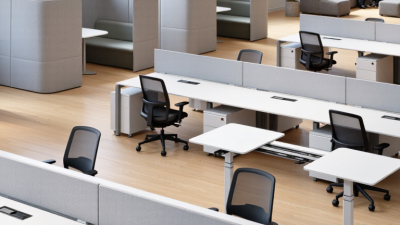
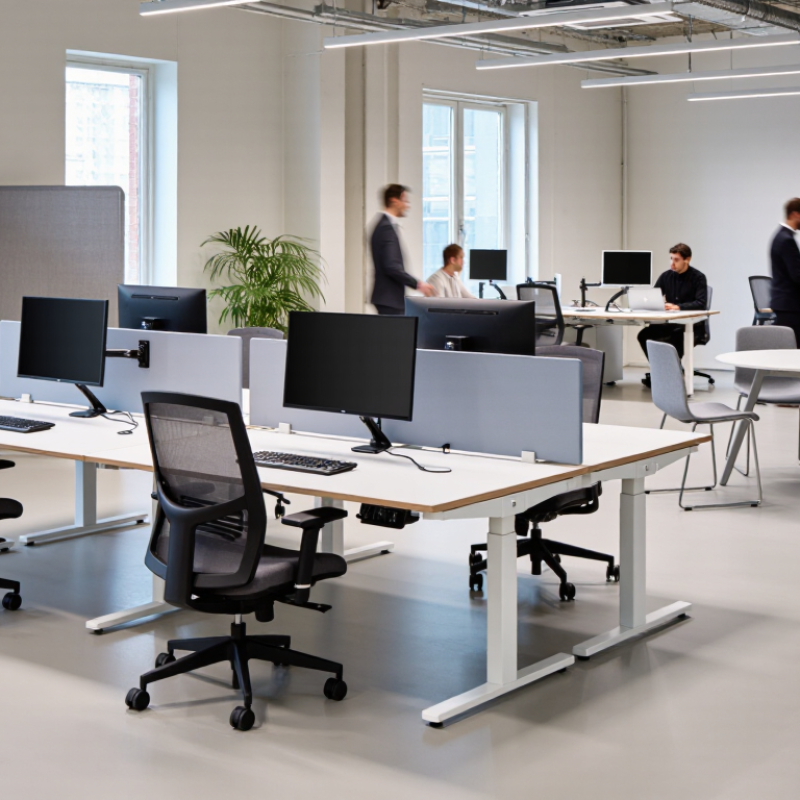
Modular desks and benching systems Teams whose headcount, work patterns, or floor plans may change over time. Reconfigurable components, shared power access, and adaptable privacy screens can support changing layouts without replacing every workstation. Confirm that parts can be rearranged safely, power and data needs are met, and the layout provides suitable personal space and accessible routes.
Acoustic booths and high-back lounge seating Open-plan offices that need spaces for calls, quiet work, or short private conversations. Integrated lighting, ventilation, and power can make enclosed booths more functional. Acoustic panels and upholstered seating can help manage sound, depending on the room and materials. Check ventilation, fire and building requirements, accessibility, cleaning needs, and actual sound performance. A booth is not necessarily soundproof.
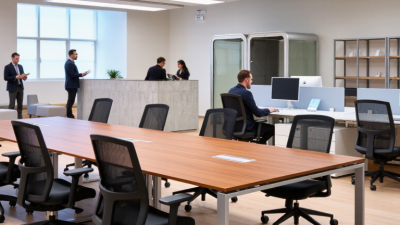
Collaborative tables and meeting furniture Project rooms, team discussions, training, and meetings that use laptops or shared displays. Movable tables, nesting chairs, and accessible power or cable pathways can support multiple room layouts and technology setups. Consider room size, clear circulation, screen sightlines, acoustic conditions, and whether furniture can be moved and stored safely.
Storage and personal lockers Hybrid or shared offices where workers may not use the same desk every day. Personal storage can reduce reliance on permanent assigned desks. Optional electronic access systems can simplify shared use but introduce maintenance and power needs. Choose capacity and placement based on real storage needs. Check access, security, accessibility, ventilation, and the process for handling lost credentials or outages.
Furniture with occupancy or usage sensors Organizations assessing how shared rooms or work areas are used. Non-identifying occupancy data may help inform space planning when collected and reported appropriately. Sensors can be integrated into desks, rooms, or booking systems. Define the purpose and data-retention period before installation. Address privacy, consent, cybersecurity, accuracy, and whether the data is genuinely needed.
Furniture made with recycled or responsibly sourced materials Workplaces seeking to consider environmental impacts during procurement and refurbishment. Material transparency, repairable designs, recycled content, and take-back or reuse options can support longer product life and responsible purchasing. Ask for verifiable material and durability information. Consider repairability, replacement parts, indoor emissions, cleaning requirements, and end-of-life options.

How to Match Furniture Choices to Team Size and Office Layout

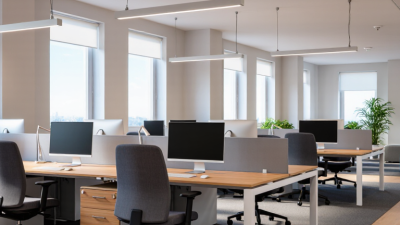
In 2026, the best workplace furniture is the kind that fits the team and the room. A six-person group in a narrow office may benefit from shared desks and stackable chairs, rather than bulky individual workstations. Leave clear paths between desks, doors, and storage. People carrying laptops or rolling chairs need room to move without awkward detours. In a larger open office, modular desks can support changing teams, while low screens help define work zones without blocking daylight. Measure the room before ordering; floor plans can miss the space taken by chair movement.

Tips: Match desk size to daily tasks, not occasional paperwork. Choose adjustable chairs for varied users. Keep frequently used supplies within easy reach. Test a sample layout with tape on the floor.

For hybrid teams, flexible seating and lockers can reduce unused furniture, but shared desks need enough surface space for monitors and notebooks. Meeting rooms benefit from tables sized for actual attendance, with a few spare seats rather than a crowded layout. I’ve seen offices prioritize appearance and regret the tight walkways later. It is easy to overlook acoustics, too. Soft seating or fabric panels may help soften noise, though they cannot fix every echo in a hard-surfaced room. Recheck the layout after people use it; the first plan is rarely perfect.