What Is Workplace Furniture and How Do You Source It?
Workplace furniture is more than desks, chairs, and storage units. It shapes how people work, communicate, focus, and recover during a busy day. A quiet ergonomic chair can support concentrated work, while a shared table may encourage quick collaboration. Even small details matter, such as cable access, seat height, surface durability, and the distance between workstations.
Sourcing workplace furniture requires more than comparing online prices. Buyers should understand the space, employee needs, workflow, budget, delivery conditions, and long-term maintenance requirements. A reliable process may include measuring the floor plan, testing sample chairs, checking material specifications, and reviewing the supplier’s warranty. It is also wise to confirm lead times and installation responsibilities in writing.
No specification is perfect. A chair that suits one employee may feel uncomfortable to another. A stylish desk may create glare, noise, or limited storage. These practical weaknesses are easy to miss in a catalogue. Small pilot orders can reveal problems before a full purchase. They also create useful feedback from the people who use the furniture daily.
This guide explains what workplace furniture includes and how to source it with greater confidence. It considers function, comfort, quality, sustainability, and supplier reliability. The goal is not to recommend the most expensive option. It is to help decision-makers choose furniture that performs well in real working conditions. That judgment takes care. Sometimes, it also requires revising the original plan.
What Workplace Furniture Means and What It Includes
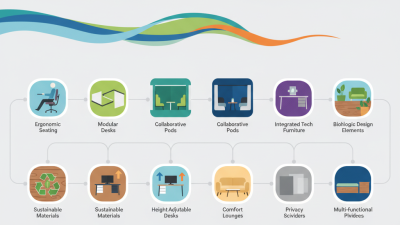
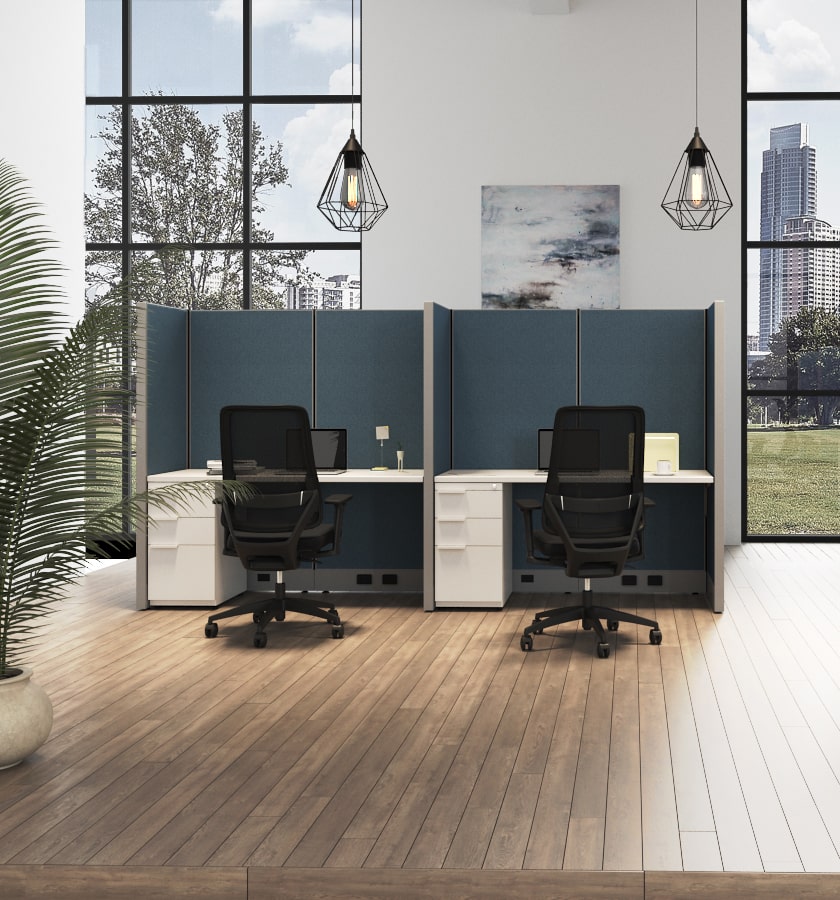
Workplace furniture means the movable items that support people while they work. It includes desks, office chairs, meeting tables, storage units, reception seating, and collaborative benches. Some workplaces also use acoustic screens, monitor arms, and mobile pedestals. These pieces shape movement, privacy, posture, and daily communication.
The right furniture reflects real tasks. A finance worker may need a stable desk, dual-screen support, and nearby files. A design team may need large tables, writable surfaces, and flexible seating. Adjustable chairs matter, but they cannot fix every poor layout. Clear walking paths and suitable lighting still influence comfort.
Sourcing
workplace furniture requires more than comparing prices. Start by recording staff numbers, room measurements, working patterns, and storage needs. Request material samples and test chairs for several minutes, not just a quick showroom sit. Check dimensions, weight limits, cleaning requirements, warranty terms, delivery schedules, and installation support. Products should also match relevant workplace safety and accessibility expectations in the project location.
A polished showroom can mislead.
Soft lighting hides awkward edges and poor cable management. I would inspect drawers, adjust every lever, and measure doorways before ordering. Small details matter. A desk that blocks a cabinet can waste space every day. No plan is perfect, so review feedback after installation and change what repeatedly causes discomfort.
How Workplace Furniture Supports Different Work Environments
Workplace furniture includes desks, chairs, storage units, meeting tables, and screens. Its purpose extends beyond filling an office. Well-chosen furniture shapes posture, movement, privacy, and communication. In a shared office, adjustable desks can support different body sizes and working habits. Chairs with stable lumbar support may reduce discomfort during long tasks. Small details matter.
Different environments need different furniture responses. Quiet work areas benefit from acoustic panels, task lighting, and desks with modest visual separation. Collaboration zones need movable tables, writable surfaces, and enough space for people to gather without crowding. Hybrid workplaces require adaptable settings, because one person may join a video meeting while others work nearby. A compact booth can help, but poor ventilation can make it unpleasant quickly. Reception areas should feel welcoming, while storage should keep walkways clear and reduce visual clutter. These choices also influence accessibility and daily safety.
Sourcing should begin with observation, not a catalogue. Measure the room, study traffic patterns, and ask employees where discomfort occurs. Test chairs for several minutes, then test them for a full working session when possible. Check adjustability, surface durability, cleaning needs, and replacement parts. Furniture should also meet relevant safety and accessibility requirements. In my experience, attractive layouts often fail when cable access or storage is ignored. A perfect solution rarely exists. Review the arrangement after installation, because real behavior can challenge the original plan.
How to Identify Your Organization’s Furniture Requirements
Identifying workplace furniture requirements starts with observing how people actually work. A facilities assessment should examine desks, chairs, storage, meeting tables, and reception pieces. Speak with employees, team leaders, facilities managers, and occupational health specialists. Their needs may differ sharply.
Measure each room carefully. Record floor area, doorway widths, power locations, lighting, walkways, and emergency access. A simple floor plan can reveal problems before purchasing begins. Note whether employees work alone, collaborate frequently, or move between locations. Adjustable seating may support varied body types, while acoustic panels can reduce distractions in open areas. Accessibility must remain part of the specification, not an optional improvement.
Review existing furniture before replacing everything. Check stability, surface damage, cable management, cleanability, and repair history. I once trusted an inventory spreadsheet and missed several damaged task chairs. That mistake changed the assessment process. Photos and direct inspections now support every equipment record. Still, observations can be incomplete. Employees may adapt quietly to uncomfortable furniture, so short surveys and private conversations are valuable. Procurement teams should compare durability, warranties, maintenance needs, delivery limits, and total lifecycle cost. A low purchase price may create higher replacement expenses later. Test a small furniture group in the real workplace, then collect feedback after several weeks. Pay attention to chair adjustments, screen height, storage access, and movement around shared tables.
What Is Workplace Furniture and How Do You Source It?
How to Identify Your Organization’s Furniture Requirements
Workplace furniture includes desks, task chairs, meeting tables, storage, and shared-space furnishings. A practical sourcing process starts by matching furniture footprints to work activities, occupancy patterns, circulation needs, ergonomics, and accessibility requirements.
How to use this chart: The figures are calculated from commonly specified commercial furniture planning dimensions. For example, a 120 × 80 cm workstation has a footprint of 0.96 m². Use these reference values to estimate floor-area requirements before requesting supplier quotations. Final layouts should be checked against local building, fire-safety, accessibility, and ergonomic requirements.
Reference dimensions: Individual workstation: 120 × 80 cm; meeting table: 240 × 100 cm; storage cabinet: 90 × 45 cm; lounge table: 80 × 80 cm; reception desk: 180 × 80 cm.
How to Evaluate and Select Suitable Workplace Furniture
Workplace furniture includes desks, chairs, storage, meeting tables, and supporting accessories.
Selecting it well requires more than matching colors. The furniture should support posture, movement, concentration, and collaboration throughout the working day.
Start by observing how people use the space. A finance team may need quiet desks, while a project team may require movable tables and writable surfaces. Measure doorways, corridors, power points, and floor areas before requesting quotations. Measure twice.
Evaluate chairs by adjusting seat height, back support, armrests, and seat depth. A desk should provide enough legroom and a comfortable working height. Check whether surfaces resist scratches and whether edges feel safe during daily use. Storage should open smoothly and hold the intended load.
Ask suppliers for material details, product testing information, warranties, replacement parts, and maintenance guidance. Reliable documentation often reveals more than attractive photography.
Tips:
Invite employees to test sample furniture for several days. Record pressure points, noise, wobbling, and cable problems. Check accessibility, cleaning needs, and local safety requirements. Consider delivery routes and installation time. A low price may create higher replacement costs later. However, premium features are not always useful. I have seen teams choose beautiful chairs that caused discomfort because nobody tested them properly. Reconsidering an initial choice is not failure; it is responsible sourcing.